Introduction
A clean cabin does more than make your vehicle look good. It improves comfort, preserves materials, reduces odors, and can even help maintain resale value. If you have ever wondered it, the good news is that you do not need a full shop or expensive equipment to get impressive results. What you do need is a smart process, the right tools, and attention to small details that many people skip.
Table of Contents
- Introduction
- Essential Tools and Products for Interior Detailing
- Basic tools to have on hand
- Optional but helpful items
- Know your interior materials
- Step-by-Step Process to Clean the Interior Properly
- 1. Remove personal items and trash
- 2. Open doors and improve ventilation
- 3. Start with dry dusting
- 4. Vacuum thoroughly
- 5. Clean from top to bottom
- How to Clean Seats, Carpets, Panels, and Sensitive Surfaces
- Cloth seats
- Leather seats
- Plastic, vinyl, and trim
- Screens, gauges, and glossy trim
- Carpets and floor mats
- Headliner and pillars
- Pro Techniques for Odor Removal, Finishing Touches, and Maintenance
- Eliminate odors at the source
- Clean the vents and air system touchpoints
- Clean interior glass the right way
- Finish with light protection
- Final inspection checklist
- Maintenance schedule
- Common Mistakes to Avoid When Detailing a Car Interior
- Using too much product
- Cleaning in direct sunlight
- Using the same towel everywhere
- Ignoring hidden zones
- Choosing shine over cleanliness
- Not allowing enough drying time
- FAQ
- What is the best order for how to detail a car interior like a pro?
- How long does it take to learn how to detail a car interior like a pro?
- What products do I need for how to detail a car interior like a pro?
- Can I use household cleaners when learning how to detail a car interior like a pro?
- How often should I practice how to detail a car interior like a pro?
- Conclusion
In this guide, you will learn this step by step, from clearing out clutter and vacuuming deeply to cleaning leather, fabric, plastics, glass, and hard-to-reach areas. Whether you are refreshing a daily driver or preparing a vehicle for sale, this approach will help you achieve a cleaner, fresher, more professional-looking interior.
Essential Tools and Products for Interior Detailing
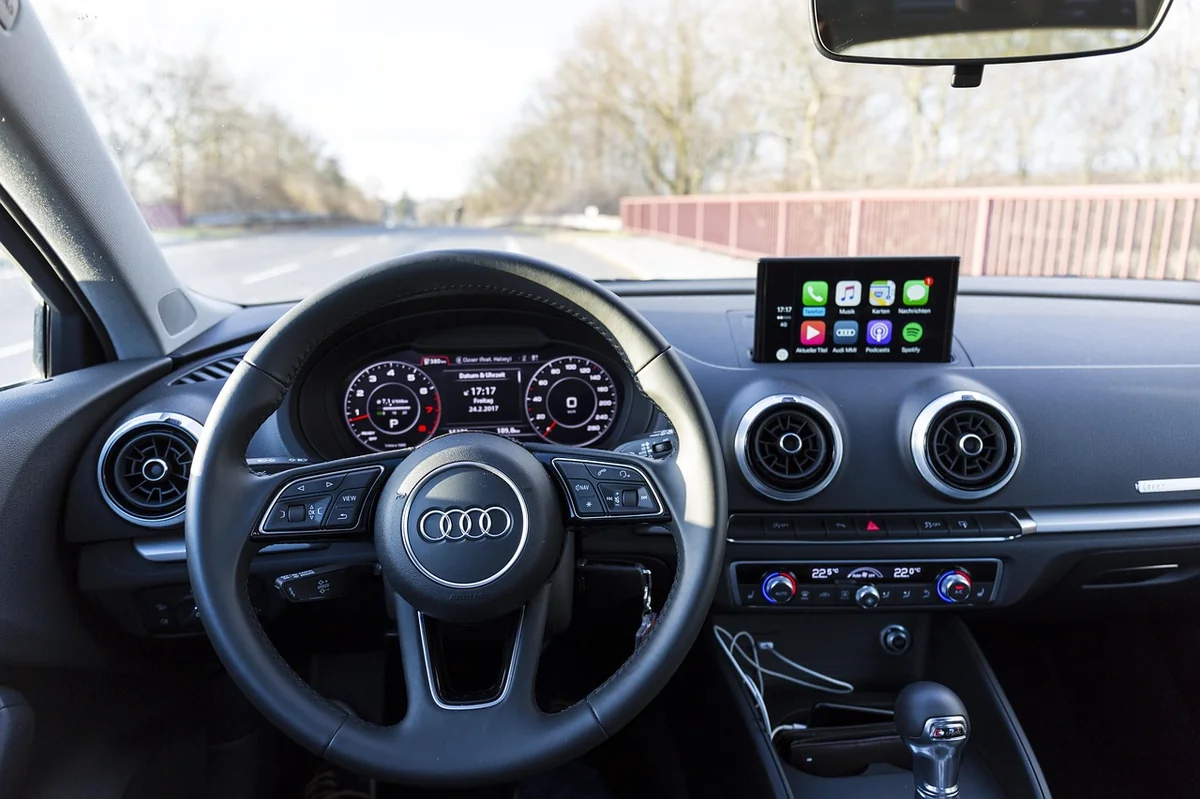
Before learning these, gather everything you need so the job goes smoothly. Using proper tools prevents damage and helps you clean more efficiently.
Basic tools to have on hand
– Vacuum with hose attachments and crevice tools
– Soft detailing brushes
– Microfiber towels
– Interior all-purpose cleaner
– Upholstery or carpet cleaner
– Leather cleaner and conditioner if applicable
– Glass cleaner safe for tinted windows
– Cotton swabs or foam swabs for tight spaces
– Compressed air or a small air blower
– Bucket of clean water
– Spray bottles
– Soft scrub pad or interior-safe applicator pads
Optional but helpful items
– Steam cleaner
– Drill brush for carpets and mats
– Pet hair removal brush
– Odor eliminator or enzyme cleaner
– Fabric protectant
– Interior dressing with a natural finish
A professional result often depends less on buying premium products and more on choosing safe, material-specific cleaners. Avoid harsh degreasers, household bleach, or glossy dressings that make surfaces slippery. If you want to master they, always test products in a hidden area first.
Know your interior materials
Every cabin contains multiple surfaces, and each one needs different care:
– Plastic and vinyl: use a mild interior cleaner
– Leather: use dedicated leather-safe products
– Cloth seats: use low-moisture upholstery cleaner
– Carpets and floor mats: use carpet shampoo or extractor solution
– Screens and piano-black trim: use soft microfiber and gentle cleaner
– Glass: use streak-free automotive glass cleaner
Understanding the material is a major part of the concept because using the wrong product can stain, fade, dry out, or scratch surfaces.
Step-by-Step Process to Clean the Interior Properly

The most effective way to understand the approach is to follow a logical order. Work from top to bottom and from dry cleaning to wet cleaning. This prevents dust and debris from falling onto already cleaned areas.
1. Remove personal items and trash
Take out everything from the cabin:
– Water bottles
– Receipts
– Floor mats
– Seat covers
– Loose change
– Child seats if possible
– Items in door pockets, console, and glove box
This gives you full access and prevents missed spots.
2. Open doors and improve ventilation
If possible, work in a shaded, well-ventilated area. Open all doors so moisture can evaporate and odors do not build up. Heat and direct sunlight can cause cleaners to dry too quickly and leave marks.
3. Start with dry dusting
Use a soft detailing brush or dry microfiber towel to loosen dust from:
– Dashboard
– Air vents
– Steering wheel
– Buttons and controls
– Door panels
– Cup holders
– Instrument cluster hood
When learning it, this dry stage matters because it removes loose particles before liquid cleaners turn them into muddy residue.
4. Vacuum thoroughly
Vacuum every area before spraying cleaners:
– Seats
– Under seats
– Carpet edges
– Floorboards
– Trunk or cargo area
– Center console seams
– Door pocket bottoms
Use a crevice tool for tight gaps and a brush attachment for delicate surfaces. Slide seats fully forward and backward to reach hidden debris. If you skip this step, wet cleaning becomes harder and less effective.
5. Clean from top to bottom
Once dry debris is removed, start wiping and scrubbing the upper interior surfaces first:
- Headliner lightly, if needed
- Sun visors
- Rear shelf
- Dashboard
- Door panels
- Center console
- Seats
- Carpets and mats
Following this sequence is central to this because gravity pulls dust downward as you work.
How to Clean Seats, Carpets, Panels, and Sensitive Surfaces
One of the biggest parts of these is knowing how to treat each section without causing damage. A spotless interior is not just clean; it is evenly cleaned, protected, and free from residue.

Cloth seats
For fabric seats:
– Vacuum first with a brush attachment
– Spray upholstery cleaner lightly
– Agitate with a soft brush
– Blot with microfiber, do not oversaturate
– Repeat on stained areas
– Let seats dry completely
For deep stains, use an extractor or wet/dry vacuum if available. Too much water can leave mildew odors, so controlled moisture is key.
Leather seats
For leather:
– Vacuum seams carefully
– Apply leather cleaner to a microfiber towel or soft brush
– Gently clean in small sections
– Wipe away residue
– Apply conditioner after the surface dries
Avoid soaking leather or scrubbing aggressively. Proper leather care is essential when practicing they, especially in luxury vehicles where worn seating reduces value quickly.
Plastic, vinyl, and trim
Use a dedicated interior cleaner on:
– Dash surfaces
– Door panels
– Center console
– Cup holders
– Steering column
– Hard trim pieces
Spray the towel rather than directly onto electronics. Use detailing brushes for textured plastic. Follow with a UV-protective dressing if desired, but choose a satin or matte finish for a factory look.
Screens, gauges, and glossy trim
Infotainment screens, piano-black trim, and clear instrument plastic scratch easily. Use:
– A clean, plush microfiber towel
– Screen-safe cleaner or distilled water
– Light pressure only
Never use paper towels or harsh glass cleaner with ammonia. Professionals know that preserving delicate surfaces is part of the concept, not just making them shine.
Carpets and floor mats
Remove floor mats and clean them separately.
For carpet mats:
– Vacuum thoroughly
– Spray cleaner
– Brush in multiple directions
– Blot or extract
– Hang or lay flat to dry
For rubber mats:
– Rinse
– Scrub with all-purpose cleaner
– Rinse again
– Dry before reinstalling
For built-in carpets:
– Vacuum slowly and methodically
– Pre-treat stains
– Agitate with a carpet brush
– Extract or blot
– Allow proper drying time
Do not reinstall damp mats, as they can trap moisture and create odor.
Headliner and pillars
Headliners are fragile because the fabric is glued to foam backing. Lightly blot rather than scrub. Use minimal product. A delicate touch is a hallmark of the approach, since aggressive cleaning can cause sagging.
Pro Techniques for Odor Removal, Finishing Touches, and Maintenance
If you truly want to know it, you must go beyond visible dirt. Odor control, final inspection, and ongoing maintenance are what separate an average cleanup from a professional-level detail.
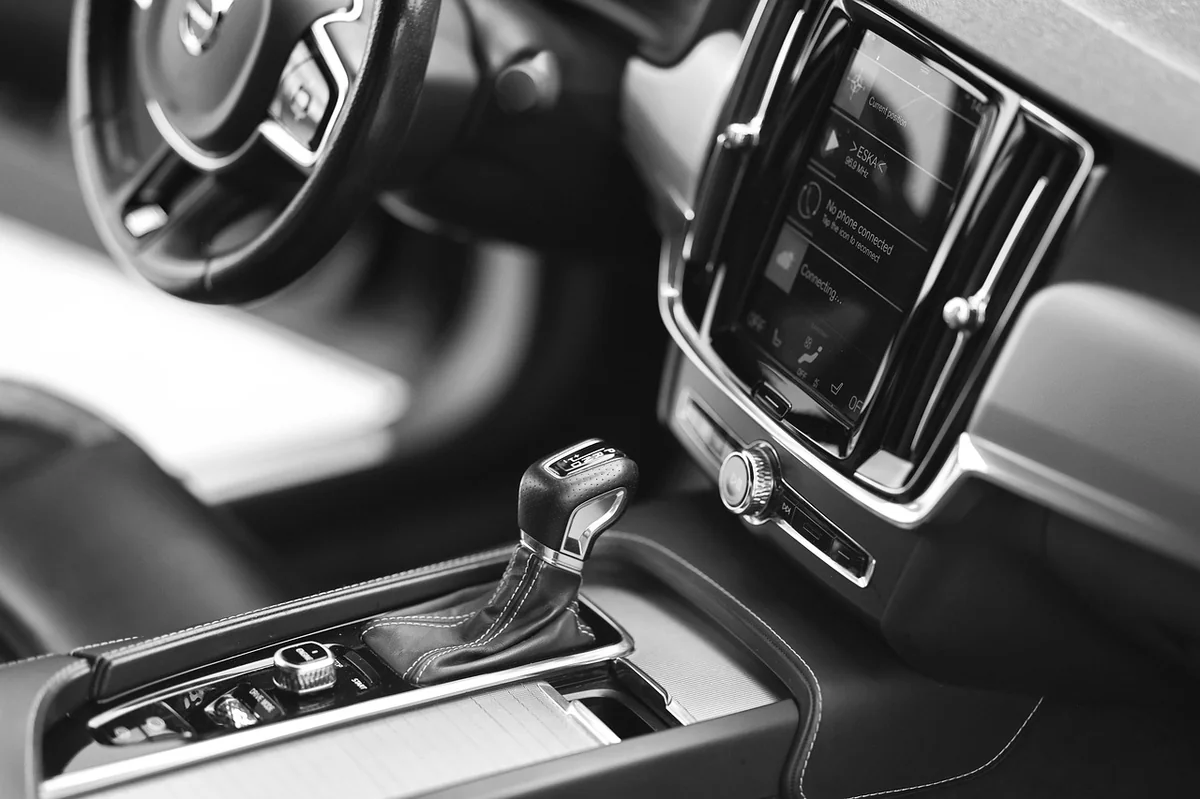
Eliminate odors at the source
Bad smells usually come from one of these:
– Food spills
– Wet carpets
– Pet accidents
– Smoke residue
– Dirty cabin air filter
– Mold or mildew
– Forgotten trash under seats
To remove odors effectively:
– Clean the source area thoroughly
– Use enzyme cleaners for organic messes
– Dry fabrics completely
– Replace the cabin air filter if needed
– Run the HVAC system after cleaning
– Use an odor neutralizer, not just a perfume spray
A scented product may mask smells briefly, but real interior detailing targets the source. This is a critical principle of how to detail a car interior like a pro.
Clean the vents and air system touchpoints
Use a soft brush, compressed air, or foam swab to clear vent dust. Wipe vent slats and surrounding trim carefully. If the system smells musty, replacing the cabin filter can make a dramatic difference.
Clean interior glass the right way
Interior glass often has haze from dust, off-gassing plastics, and fingerprints. For best results:
– Use two microfiber towels
– Spray cleaner on the towel, not directly on glass
– Wipe in one direction, then buff dry
– Lower windows slightly to clean the top edge
Crystal-clear glass is one of the easiest ways to show you understand how to detail a car interior like a pro.
Finish with light protection
After cleaning, apply protection where appropriate:
– UV protectant on plastic and vinyl
– Leather conditioner on leather seats
– Fabric protectant on cloth surfaces if desired
Avoid greasy products. A professional interior should look clean and natural, not oily or overly shiny.
Final inspection checklist
Before you finish, inspect:
– Seat rails and under-seat areas
– Cup holders
– Door jamb edges
– Seatbelt webbing and buckles
– Around shifter and buttons
– Pedals
– Mirror and glass streaks
– Trunk or cargo floor
Professionals often do a final wipe with fresh microfiber towels after everything dries. That extra pass can elevate your results and reinforce your understanding of how to detail a car interior like a pro.
Maintenance schedule
Once the cabin is detailed, keeping it that way is much easier:
– Weekly: remove trash and quick vacuum
– Every 2 weeks: wipe touchpoints and glass
– Monthly: deep vacuum and spot-clean seats
– Every 2 to 3 months: full interior refresh
– Seasonally: clean mats thoroughly and inspect for moisture
Regular care reduces labor and helps maintain the polished look you worked hard to achieve.
Common Mistakes to Avoid When Detailing a Car Interior
Many people try to learn how to detail a car interior like a pro but make preventable mistakes that waste time or damage surfaces. Avoid these common issues.
Using too much product
Overspraying leads to:
– Sticky residue
– Longer drying times
– Water spots
– Saturated seats and carpets
– Product buildup in seams and buttons
Use light, controlled applications.
Cleaning in direct sunlight
Heat causes cleaners to flash dry and streak. Interior surfaces also become more vulnerable to spotting and uneven results.
Using the same towel everywhere
Cross-contamination spreads grime from dirty areas to delicate ones. Keep separate towels for:
– Glass
– Leather
– Plastic
– Carpets
– Dirty cleanup jobs
Ignoring hidden zones
Professional detailers focus on the places others miss:
– Seat tracks
– Creases between cushions
– Under floor mats
– Rear cup holders
– Door pocket corners
– Trunk side panels
Attention to detail is the essence of how to detail a car interior like a pro.
Choosing shine over cleanliness
Some dressings create a slick, artificial gloss that attracts dust and looks cheap. A refined, factory-style finish is almost always better.
Not allowing enough drying time
If seats, carpets, or mats stay damp, odors and mildew can return. Use airflow, fans, or open doors to speed drying safely.
FAQ
What is the best order for how to detail a car interior like a pro?
The best order for how to detail a car interior like a pro is to remove clutter, dry dust surfaces, vacuum thoroughly, clean top to bottom, treat seats and carpets by material, clean glass last, and finish with protection and inspection. This order prevents recontaminating areas you already cleaned.
How long does it take to learn how to detail a car interior like a pro?
Learning how to detail a car interior like a pro does not take long, but mastering it takes practice. A basic interior detail may take 2 to 4 hours depending on the vehicle size and condition. Heavily soiled interiors can take much longer.
What products do I need for how to detail a car interior like a pro?
To handle how to detail a car interior like a pro, you need a vacuum, microfiber towels, soft brushes, interior cleaner, glass cleaner, upholstery cleaner, and leather care products if your car has leather. Optional tools like steamers and extractors can improve results.
Can I use household cleaners when learning how to detail a car interior like a pro?
It is better to avoid household cleaners when learning how to detail a car interior like a pro because some contain harsh chemicals that can stain fabric, dry out leather, damage screens, or discolor plastic. Automotive-specific products are safer.
How often should I practice how to detail a car interior like a pro?
For most drivers, doing a full session of how to detail a car interior like a pro every 2 to 3 months works well, with light maintenance in between. If you have pets, children, or frequent passengers, you may want to clean more often.
Conclusion
Now that you know how to detail a car interior like a pro, you can turn an overlooked cabin into a clean, comfortable, and well-protected space. The key is using the right tools, working in the correct order, treating each material properly, and finishing with careful inspection and odor control. Whether you are maintaining your personal vehicle or preparing a car for resale, consistent attention to detail will produce better results every time.
If you apply these methods regularly, how to detail a car interior like a pro becomes less of a challenge and more of a repeatable routine. Start with a thorough vacuum, clean each surface with purpose, protect what matters, and your interior will look fresher, last longer, and feel professionally detailed.