Aftermarket wheels can completely change how a Subaru WRX looks, feels, and performs. For many owners, upgrading from factory wheels is one of the first modifications worth considering because it improves style, handling, brake clearance, and fitment options all at once. The challenge is choosing the right setup without compromising ride quality, tire life, or daily drivability.
Table of Contents
- Why Choose Aftermarket Wheels for Better WRX Performance
- How to Choose the Right Size, Width, and Offset
- Best Materials, Finishes, and Wheel Types to Consider
- Installation, Maintenance, and Common Mistakes to Avoid
- FAQ About Aftermarket Wheels for Subaru WRX
- What size are the best aftermarket wheels for a Subaru WRX?
- Do aftermarket wheels affect WRX handling?
- Are forged wheels worth it for a daily driven WRX?
- Can I use aftermarket wheels with stock suspension?
- Do I need hub-centric rings for aftermarket wheels?
- What finish is easiest to maintain?
- Conclusion
This guide covers everything you need to know about aftermarket wheels for subaru wrx, from sizing and offset to materials, finishes, seasonal use, and maintenance. Whether you want a subtle OEM-plus appearance or an aggressive performance-oriented stance, selecting the right wheels requires balancing aesthetics with function. By understanding fitment basics and shopping smart, you can choose aftermarket wheels for subaru wrx that enhance your car while keeping it safe, practical, and enjoyable on the road.
Why Choose Aftermarket Wheels for Better WRX Performance
Upgrading to aftermarket wheels for subaru wrx is about more than appearance. A properly selected wheel setup can improve steering response, cornering confidence, and overall road feel. Because the WRX is a performance-focused sedan, even small changes in wheel weight, width, and offset can noticeably affect driving dynamics.
One of the biggest benefits is reduced unsprung weight. Lightweight flow-formed or forged wheels can weigh less than stock wheels, helping the suspension react faster over bumps and uneven pavement. That can improve both grip and ride quality when the setup is matched with the right tires. Drivers who autocross, attend track days, or simply enjoy spirited back-road driving often notice this difference immediately.
Wheel width also plays a major role. Wider wheels allow for wider tires, which can increase the contact patch and improve grip in dry conditions. For WRX owners, this can mean better traction out of corners and more confident braking. However, there is a balance. Going too wide without planning your tire size, suspension setup, and offset can cause rubbing or reduced comfort.
Another reason people shop for aftermarket wheels for subaru wrx is brake clearance. If you are planning a big brake kit or want more space around factory calipers, aftermarket designs often provide better clearance than stock options. This is especially important for drivers building a dual-purpose street and performance car.
Aesthetics matter too. The WRX has an aggressive, rally-inspired design, and wheels have a huge impact on its character. Multi-spoke, split-spoke, concave, and motorsport-inspired mesh styles all create different looks. A wheel upgrade can transform the car from factory-standard to personalized and purposeful in a single step.
Finally, there is customization. Factory wheels are limited in color, size, and style. With aftermarket wheels for subaru wrx, you can choose finishes like bronze, gunmetal, satin black, gloss black, silver, white, or even machined faces. This lets you build a setup that complements your paint color and driving goals without settling for a one-size-fits-all factory design.
How to Choose the Right Size, Width, and Offset

Selecting the right fitment is the most important step when buying aftermarket wheels for subaru wrx. It is not enough to choose a design you like. You also need to ensure the wheels fit your chassis properly and work with your tires, suspension, brakes, and intended use.
Start with diameter. Common WRX wheel sizes include 17-inch, 18-inch, and sometimes 19-inch setups. A 17-inch wheel is often favored for comfort, winter use, and motorsport practicality because it allows for more tire sidewall. An 18-inch wheel is one of the most popular choices because it balances looks, performance, and tire availability. A 19-inch setup can look striking, but it usually results in a firmer ride and higher risk of wheel damage on rough roads.
Next is width. Many WRX owners choose widths between 8.0 and 9.5 inches depending on goals and suspension modifications. An 8.0- or 8.5-inch wheel is a safe choice for a daily driver, while a 9.0- or 9.5-inch wheel offers a more aggressive stance and supports wider tires. The wider the wheel, the more careful you must be with offset and fender clearance.
Offset determines where the wheel sits relative to the hub. This is one of the most misunderstood fitment specs. A higher positive offset pulls the wheel inward, while a lower offset pushes it outward. For the WRX, common offsets often fall in the +35 to +55 range depending on the wheel width and chassis generation. The wrong offset can lead to rubbing on suspension components or sticking out too far from the fender.
Bolt pattern and center bore are non-negotiable details. Many WRX models use a 5×114.3 bolt pattern, but you should always confirm your specific year and trim. Center bore matters because hub-centric fitment helps reduce vibration. If the wheels have a larger center bore, you may need hub-centric rings.
It is also smart to match your wheel size with your tire plans. For example, if you want to run 245-width or 255-width performance tires, your ideal wheel width and offset will differ from a narrower all-season setup. Before purchasing aftermarket wheels for subaru wrx, make sure your tire strategy is finalized so the package works together as intended.
If the car is lowered, fitment becomes even more critical. Lowering springs or coilovers reduce available clearance, so what fits at stock height may rub after suspension modifications. In those cases, consult fitment galleries, wheel specialists, or experienced WRX communities before buying.
Best Materials, Finishes, and Wheel Types to Consider
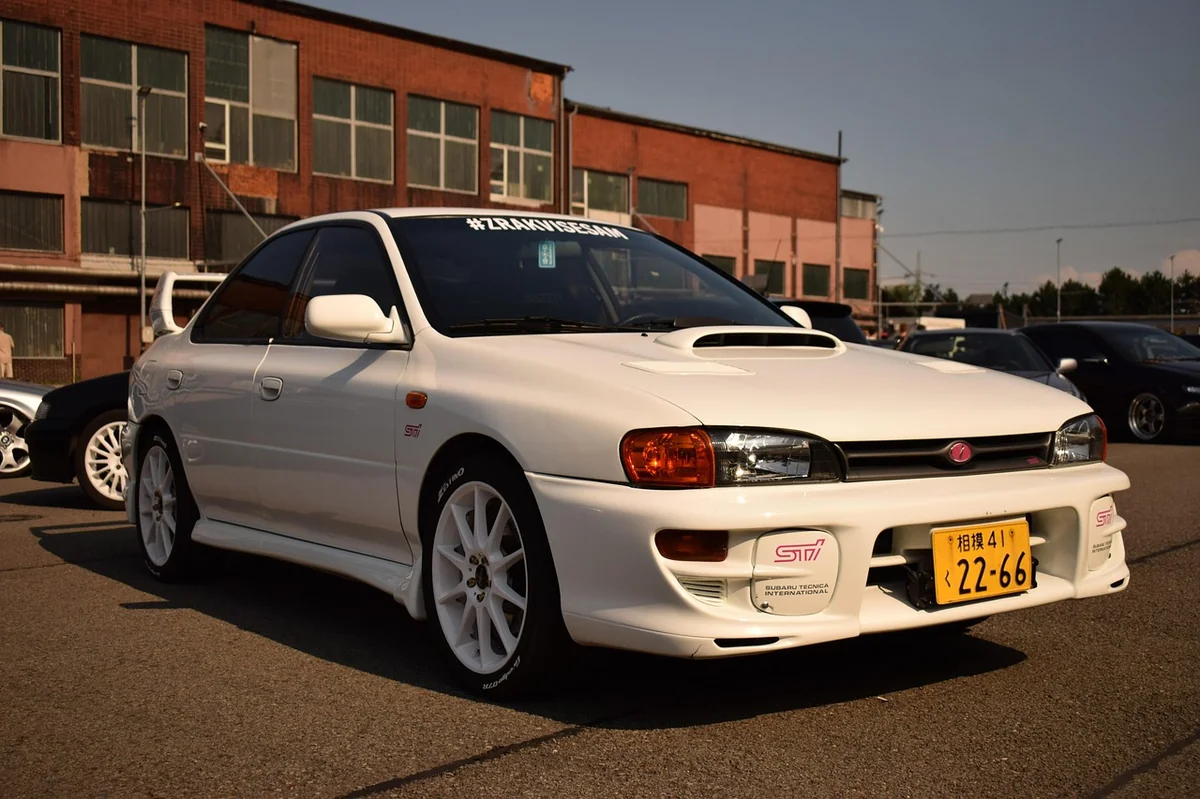
Not all aftermarket wheels for subaru wrx are made the same. Material and construction methods influence weight, durability, price, and intended use. Understanding these differences helps you avoid overspending or choosing a wheel that does not match your driving style.
Cast aluminum wheels are the most common and budget-friendly option. They are made by pouring molten aluminum into a mold. Good cast wheels can be durable and attractive, making them suitable for daily drivers who want a styling upgrade without a premium price. However, they are often heavier than higher-end options.
Flow-formed wheels are a step up. These wheels begin as cast blanks, then the barrel is spun and stretched under pressure to improve strength while reducing weight. For many WRX owners, flow-formed wheels offer the best value because they deliver a meaningful performance benefit without the cost of forged wheels. If you want a blend of lighter weight, strength, and reasonable price, this category deserves serious attention.
Forged wheels sit at the premium end of the market. They are made from a solid piece of aluminum that is shaped under extreme pressure, producing exceptional strength with minimal weight. Drivers who prioritize track performance, racing, or top-tier build quality often choose forged options. The downside is cost, which can be several times higher than cast or flow-formed alternatives.
Style is another important factor. Mesh and multi-spoke wheels suit the WRX well because they complement its sporty lines and often provide good brake visibility. Split-spoke designs create a modern performance look, while rally-inspired designs can emphasize the Subaru heritage many owners love.
Finish selection affects both looks and maintenance. Bronze is iconic on Subarus, especially on blue paint, because it references motorsport heritage and adds contrast. Satin black gives a stealthy, aggressive appearance, while silver and gunmetal offer a more timeless and easy-to-maintain finish. Gloss black looks sharp when clean but tends to show brake dust and scratches more easily.
Climate matters too. If you live in an area with road salt, snow, and harsh winters, prioritize corrosion-resistant coatings and easy-to-clean designs. Some owners buy separate seasonal aftermarket wheels for subaru wrx so they can protect their nicer summer set and run dedicated winter tires when temperatures drop.
When comparing brands, look beyond appearance. Check load ratings, manufacturing quality, warranty support, and real-world reputation. A wheel that looks great online but lacks proper quality control can lead to balancing issues, finish problems, or durability concerns later. The best purchase is one that aligns with your budget, driving habits, and long-term ownership plans.
Installation, Maintenance, and Common Mistakes to Avoid
Once you choose aftermarket wheels for subaru wrx, proper installation and ongoing care are essential. Even the best wheels can cause problems if they are mounted incorrectly or neglected over time.
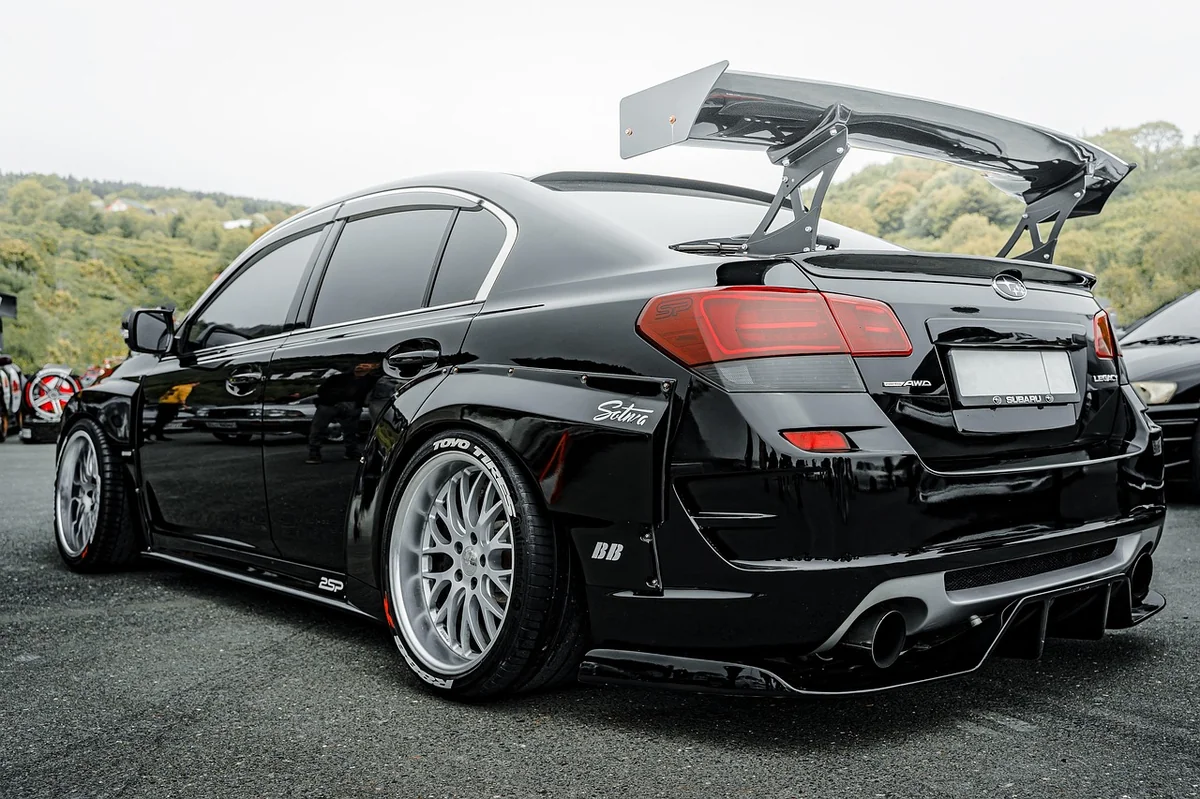
Begin with professional tire mounting and balancing. Performance wheels can be damaged by improper mounting equipment, especially if they have delicate finishes or thin lips. A reputable tire shop with modern machines will reduce the risk of scratches and balance issues. After installation, torque the lug nuts to the manufacturer’s specification using a torque wrench, not just an impact gun.
Re-torque the lug nuts after driving about 50 to 100 miles. This simple step helps ensure the wheels remain properly secured after the initial installation cycle. It is a small task, but it is one of the most important safety practices.
Check clearance carefully. Turn the steering wheel lock-to-lock and inspect the space around the inner fender, suspension, and brake components. If your WRX is lowered or using wider tires, also inspect for rubbing over bumps or under compression. Catching issues early prevents tire damage and protects the fenders.
Cleaning matters more than many owners realize. Brake dust, road salt, and grime can damage wheel finishes if left in place for long periods. Use a pH-balanced wheel cleaner, soft brushes, and microfiber towels. Avoid harsh acidic chemicals unless the wheel manufacturer specifically approves them. Regular washing keeps the finish looking better and makes future cleaning easier.
Another common mistake is focusing only on wheel size and ignoring weight. Some larger or cheaper wheels look impressive but are significantly heavier than stock. Extra weight can reduce acceleration response, increase braking distances, and make the suspension work harder. When shopping for aftermarket wheels for subaru wrx, ask for the actual wheel weight, not just the visual style and price.
Many owners also underestimate tire choice. The wheel and tire should always be treated as a system. An excellent wheel paired with the wrong tire can lead to poor performance, road noise, rubbing, or a harsh ride. Consider how you actually use your WRX: daily commuting, canyon driving, track use, winter weather, or a little of everything.
Lastly, avoid buying solely based on social media photos. A setup that looks perfect on another WRX may use rolled fenders, negative camber, stretched tires, or suspension components you do not have. Always verify the exact specs and how they apply to your car before ordering.
FAQ About Aftermarket Wheels for Subaru WRX
What size are the best aftermarket wheels for a Subaru WRX?
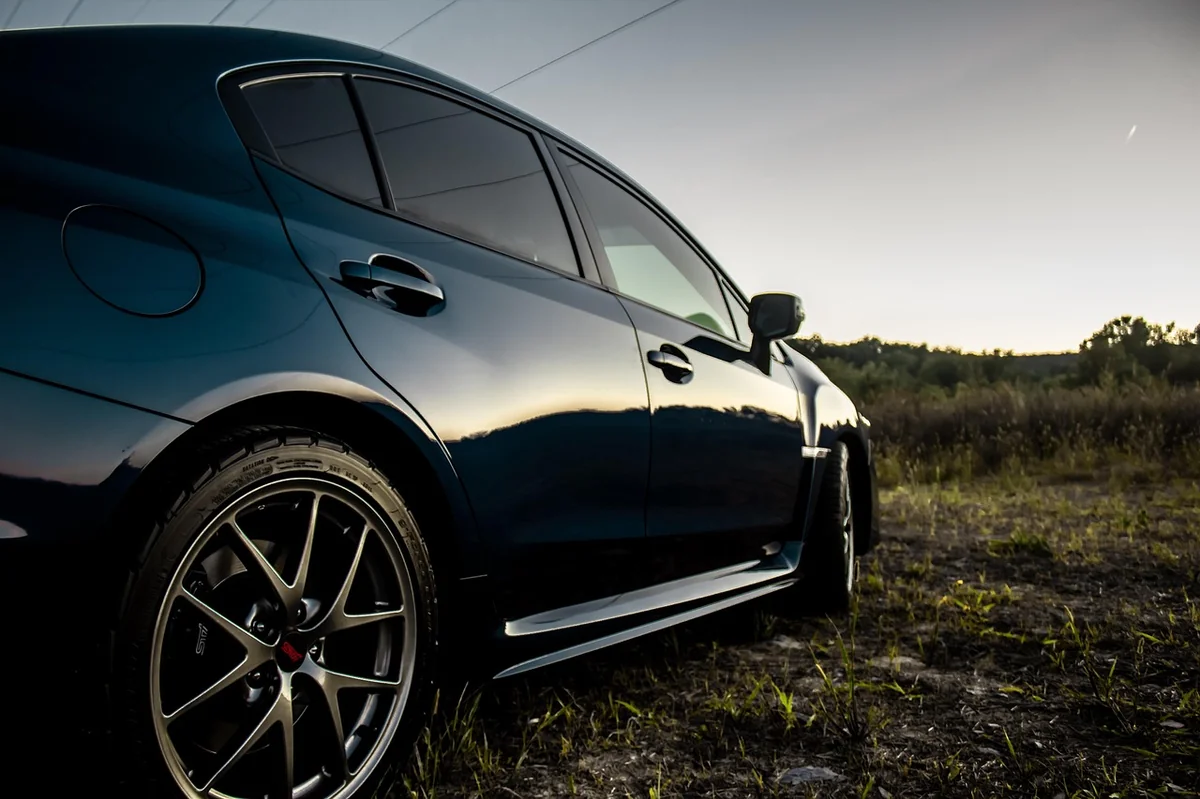
The best size for aftermarket wheels for subaru wrx depends on how you drive. For many owners, 18×8.5 is a strong all-around choice because it balances comfort, appearance, tire availability, and performance. A 17-inch setup is great for winter or rough roads, while wider 18×9.5 options are often chosen for a more aggressive performance build.
Do aftermarket wheels affect WRX handling?
Yes, aftermarket wheels for subaru wrx can significantly affect handling. Lighter wheels may improve steering response and suspension behavior, while wider wheels can support wider tires for added grip. However, incorrect offsets or overly heavy wheels can hurt performance, so fitment and weight should be considered carefully.
Are forged wheels worth it for a daily driven WRX?
Forged aftermarket wheels for subaru wrx are worth it if you prioritize low weight, high strength, and premium quality. For a daily driver, flow-formed wheels often provide a better value because they deliver strong performance benefits at a lower price. Forged wheels make the most sense for enthusiasts who want the best materials or plan to track the car regularly.
Can I use aftermarket wheels with stock suspension?
Yes, many aftermarket wheels for subaru wrx are designed to work with stock suspension. In fact, that is the safest approach for most drivers because fitment is more predictable. You still need to verify diameter, width, offset, and tire size to avoid rubbing or clearance issues.
Do I need hub-centric rings for aftermarket wheels?
You may need them depending on the center bore of your aftermarket wheels for subaru wrx. If the wheel center bore is larger than the vehicle hub, hub-centric rings help center the wheel properly and reduce the chance of vibration. If the wheel is already hub-centric to the WRX, rings are not necessary.
What finish is easiest to maintain?
For many owners, silver or gunmetal aftermarket wheels for subaru wrx are the easiest to maintain because they hide brake dust and minor imperfections better than gloss black. Bronze is also practical and popular, especially for Subaru builds, though the best choice depends on your preferred style and cleaning routine.
Conclusion
Choosing the right aftermarket wheels for subaru wrx involves more than finding a design that looks good in photos. The ideal setup should match your driving style, fit your chassis correctly, support your tire goals, and deliver the balance of comfort, durability, and performance you want from the car. Size, width, offset, construction method, finish, and seasonal conditions all play a role in the final result.
If you take time to research fitment and buy from a reputable brand, aftermarket wheels for subaru wrx can be one of the most rewarding upgrades you make. They can sharpen handling, improve brake clearance, enhance visual appeal, and help your WRX feel more tailored to your personality and driving needs. By combining careful planning with proper installation and maintenance, you can enjoy a wheel setup that looks excellent and performs reliably for years.