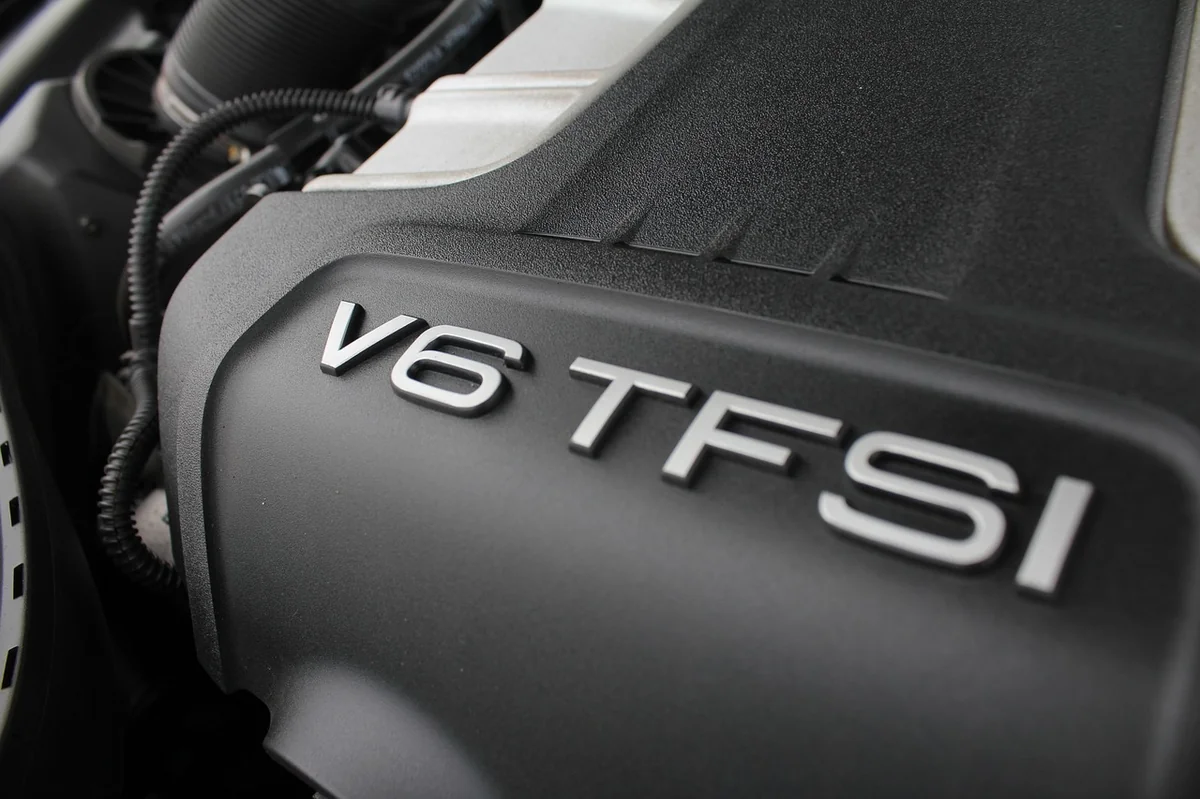
When drivers start upgrading a V6-powered car, truck, or SUV, the exhaust system is often one of the first modifications they consider. Sound matters just as much as performance, and the right setup can transform a vehicle from quiet and ordinary to deep, refined, and aggressive without becoming harsh or annoying. Choosing among the it requires more than listening to clips online. Engine layout, pipe diameter, muffler design, resonators, and even cabin insulation all affect the final result.
Table of Contents
- What Makes a V6 Exhaust Sound Good?
- Types of Exhaust Systems and Their Sound Characteristics
- Axle-back systems
- Cat-back systems
- Resonated vs. non-resonated setups
- Muffler style differences
- Top Features to Look for Before You Buy
- 1. Material quality
- 2. Pipe diameter
- 3. Resonator tuning
- 4. Cabin drone control
- 5. Brand-specific voicing
- 6. Tip design and fitment
- 7. Compatibility with other mods
- Popular Exhaust Brands and How They Typically Sound
- Borla
- MagnaFlow
- Flowmaster
- Corsa
- AWE
- MBRP
- How to Choose the Right Sound for Your Vehicle and Driving Style
- For daily drivers
- For sporty street builds
- For trucks and SUVs
- For track-focused or weekend cars
- For turbo V6 platforms
- FAQ
- What are the best sounding exhaust systems for v6 engines for daily driving?
- Do cat-back systems sound better than axle-back systems?
- Are resonated exhaust systems better for V6 engines?
- Which exhaust brand has the deepest V6 sound?
- Will an exhaust system improve performance too?
- Conclusion
This guide breaks down what creates great V6 exhaust tone, which system types work best, and how to choose the right setup for your goals. Whether you want a mellow daily-driver rumble or a louder sport-focused note, understanding the this will help you spend wisely and get a sound you actually enjoy every day.
What Makes a V6 Exhaust Sound Good?
Not every V6 sounds the same, which is why the these vary by platform. A 3.5L naturally aspirated V6 produces a different tone than a turbocharged 3.0L or a larger 3.6L unit. Firing order, bank angle, displacement, and factory manifold design all shape the sound before the exhaust gases even reach the mid-pipe.
A good-sounding exhaust usually balances four key qualities:
– Depth: A fuller, lower tone that avoids a thin or raspy character
– Clarity: Clean note separation under throttle instead of buzzy noise
– Volume control: Noticeable sound without excessive drone
– Character: A distinctive tone that fits the vehicle’s personality
The they often use mandrel-bent piping, tuned resonators, and performance mufflers to improve both flow and sound quality. Straight-through mufflers tend to create a louder, more aggressive note, while chambered designs may add muscle-inspired character. Resonators are also critical, especially on V6 applications, because they help smooth out rasp and reduce unpleasant frequencies.
Another major factor is whether you choose an axle-back, cat-back, or full exhaust setup. Axle-back systems typically change rear mufflers for a sound upgrade with minimal installation complexity. Cat-back systems replace more tubing and often deliver the biggest change in tone. Full systems may include headers or downpipes, which can dramatically alter volume and sharpness.
If your goal is daily drivability, the the concept will usually be the ones that sound rich outside the vehicle while staying controlled inside the cabin. The loudest option is not always the best one.
Types of Exhaust Systems and Their Sound Characteristics

Understanding system design makes it much easier to compare the the approach in a realistic way. Many buyers focus only on brand reputation, but the actual exhaust architecture has a huge influence on final sound.
Axle-back systems
Axle-back exhausts replace components from the rear axle to the tips. They are usually the simplest and most affordable upgrade.
Best for:
– Mild sound enhancement
– Easy installation
– Preserving factory drivability
Sound profile:
– Deeper than stock
– Less dramatic than a full cat-back
– Lower chance of drone
For owners who want a tasteful upgrade, axle-backs can be among the it, especially on newer vehicles where the factory mid-pipe is already well tuned.
Cat-back systems
Cat-back systems replace everything from the catalytic converter area back to the tailpipes. This is the most popular option for enthusiasts.
Best for:
– Noticeable increase in volume
– Better exhaust flow
– More distinct tone tuning
Sound profile:
– Deeper and louder than axle-back
– More aggressive during acceleration
– Better overall balance of sound and performance
Because they alter more of the system, cat-backs are often considered the this when drivers want the biggest audible transformation without changing emissions equipment.
Resonated vs. non-resonated setups
This choice matters tremendously on a V6.
– Resonated systems smooth harsh frequencies and reduce rasp
– Non-resonated systems are louder and rawer but can become tinny or buzzy
In many cases, resonated versions end up being the these because they create a cleaner, more mature tone rather than pure noise.
Muffler style differences
Muffler design shapes personality.
– Straight-through mufflers: Aggressive, free-flowing, sporty
– Chambered mufflers: Throaty, punchy, often more muscular
– Turbo-style mufflers: Quieter and smoother
The right muffler depends on your platform. A sporty coupe may sound great with straight-through mufflers, while a midsize sedan might benefit from a chambered or hybrid design to avoid rasp. That is why experienced builders compare not just loudness, but refinement, when choosing the they.
Top Features to Look for Before You Buy
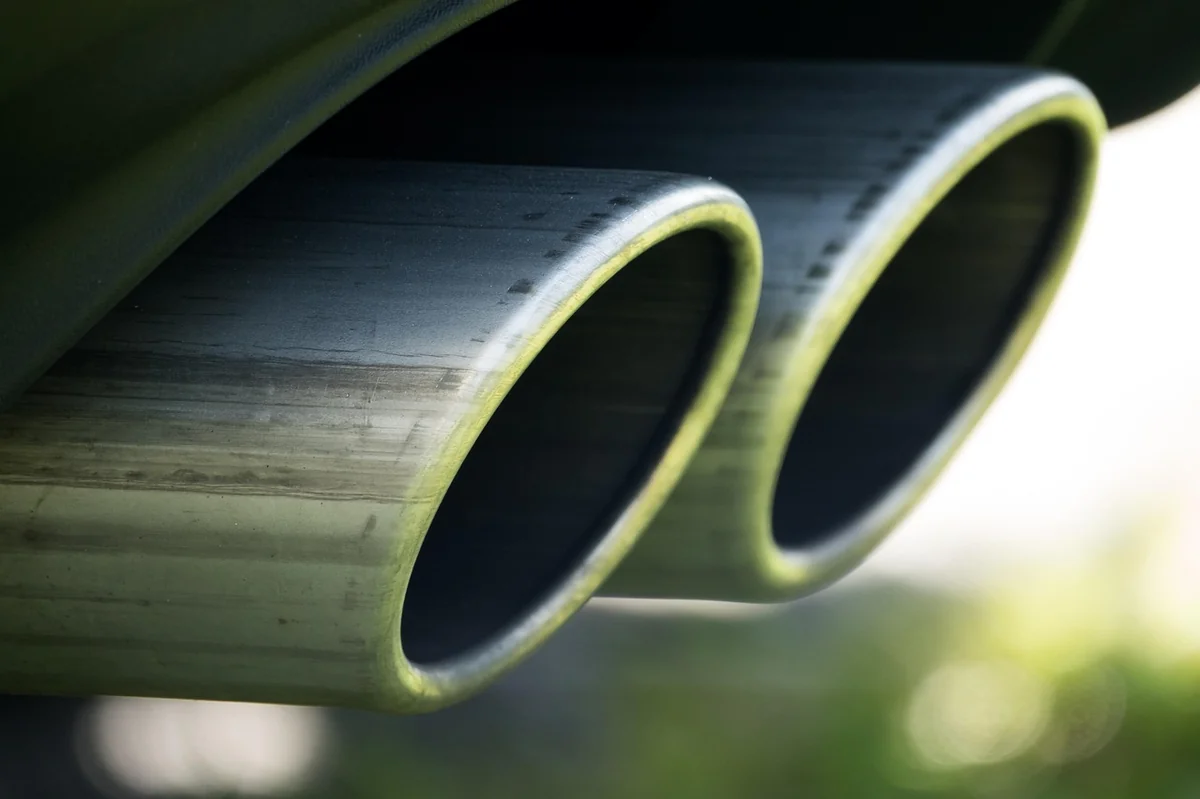
When shopping for the best sounding exhaust systems for v6 engines, it helps to evaluate each product beyond marketing claims and online clips. Sound clips are useful, but recording devices, microphone placement, and editing can completely change how an exhaust seems.
Here are the most important buying factors.
1. Material quality
Most premium systems use either aluminized steel or stainless steel.
– 409 stainless steel: Durable and common in quality aftermarket systems
– 304 stainless steel: Better corrosion resistance and premium finish
– Aluminized steel: Cheaper, but generally less durable
If you live in a snowy or coastal region, stainless steel is usually worth the extra cost.
2. Pipe diameter
Bigger is not always better. Oversized piping on a V6 can reduce exhaust gas velocity and sometimes create a hollow tone. Well-designed systems are matched to engine size and expected power output.
3. Resonator tuning
A good resonator can make the difference between a deep performance tone and an irritating highway drone. For many daily drivers, the best sounding exhaust systems for v6 engines include carefully tuned resonators rather than deleting them.
4. Cabin drone control
Drone is one of the biggest complaints after an exhaust upgrade. It often occurs at steady cruising RPM and can make long drives tiring. Systems designed with Helmholtz chambers, tuned mufflers, or smart resonator placement usually perform better here.
5. Brand-specific voicing
Different brands target different sound signatures:
– Some focus on deep and refined
– Others prioritize loud and aggressive
– Some tune systems for premium sport sedans
– Others emphasize classic muscle tone
The best sounding exhaust systems for v6 engines for one driver may not suit another if their volume tolerance is different.
6. Tip design and fitment
While tips do not drastically transform sound, they affect appearance and may subtly influence exhaust note projection. More importantly, a well-fitting system avoids rattles, leaks, and uneven alignment.
7. Compatibility with other mods
If you plan to add headers, high-flow cats, or forced induction later, choose a system that will still sound balanced after those upgrades. A setup that sounds ideal with stock manifolds may become overly sharp once more restrictive components are removed.
Popular Exhaust Brands and How They Typically Sound
There is no single winner for all vehicles, but certain manufacturers are frequently mentioned when discussing the best sounding exhaust systems for v6 engines. Their strengths usually come down to tuning philosophy, build quality, and consistency across applications.
Borla
Borla is known for refined aggression and high-quality stainless construction. Many Borla systems deliver a deep, sporty tone with relatively low drone. Their S-Type options often strike an excellent middle ground, while ATAK variants are usually much louder.
For daily-driven performance cars, Borla products are often listed among the best sounding exhaust systems for v6 engines because they combine livability with a premium sound profile.
MagnaFlow
MagnaFlow tends to produce smooth, deep exhaust notes that avoid excessive harshness. Their straight-through mufflers are performance-oriented, but the overall tone is often more mature than wild. This makes MagnaFlow a favorite for owners who want a noticeable upgrade without drawing too much attention.
Flowmaster
Flowmaster has long been associated with chambered muffler sound. On some V6 applications, this can add a punchy, muscular quality. However, results vary by engine platform, and some setups may become more aggressive than refined. Careful application matching is important.
Corsa
Corsa is highly regarded for drone control. Their systems often use acoustic tuning technology to keep highway cruising comfortable while still delivering a strong performance note under throttle. For commuters who spend a lot of time on the highway, Corsa can be one of the best sounding exhaust systems for v6 engines.
AWE
AWE exhausts are popular in the premium performance market, especially for European and modern sport platforms. Their sound tuning often emphasizes clean tone transitions and reduced rasp, which is particularly important on turbo V6 vehicles.
MBRP
MBRP often offers strong value, especially for trucks and budget-conscious buyers. Depending on the series, their systems range from mild to aggressive. They may not always be the most refined, but they can provide a satisfying improvement at a lower price point.
When comparing brands, always look for clips from your exact vehicle and engine. The best sounding exhaust systems for v6 engines on a Nissan 370Z, Dodge Challenger, Chevy Camaro, Ford F-150, or Toyota Tacoma will not sound alike even if they come from the same manufacturer.
How to Choose the Right Sound for Your Vehicle and Driving Style
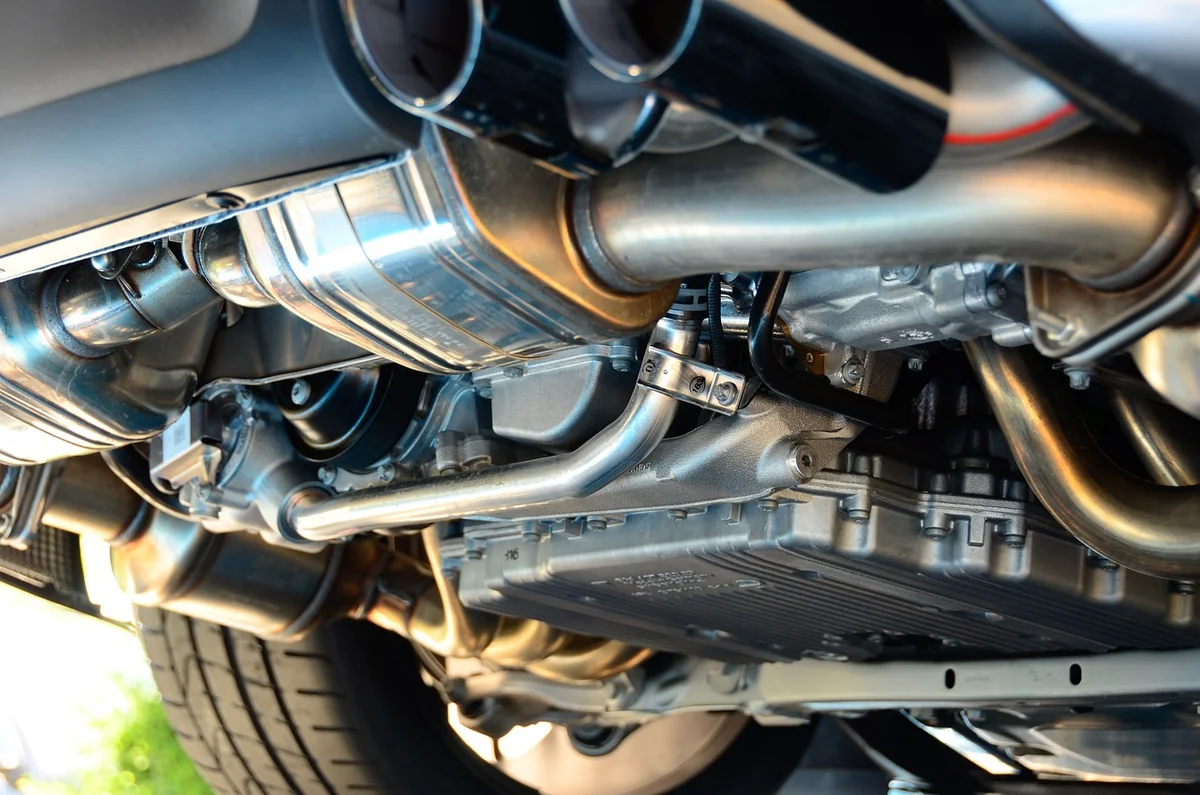
The smartest way to narrow down the best sounding exhaust systems for v6 engines is to define your priorities first. Most exhaust regrets happen when buyers chase loudness instead of matching the system to real-world use.
For daily drivers
Choose a resonated cat-back or refined axle-back from a reputable brand. Look for descriptions like “deep,” “mellow,” or “minimal drone.” These systems usually keep the car enjoyable during commutes and road trips.
For sporty street builds
A moderate cat-back with straight-through mufflers can offer an exciting tone without becoming unbearable. This is often the sweet spot for enthusiasts who want the vehicle to sound clearly upgraded every time they hit the throttle.
For trucks and SUVs
Larger V6 trucks and SUVs often benefit from systems that enhance low-end depth rather than top-end sharpness. A chambered or tuned muffler setup may sound fuller and more appropriate than a very open design.
For track-focused or weekend cars
If comfort is less important, a more aggressive non-resonated system may be acceptable. Just remember that many V6 engines can become raspy when too much sound suppression is removed.
For turbo V6 platforms
Turbocharged engines naturally muffle some exhaust sound through the turbine, so they often respond well to less restrictive cat-back designs. However, they can also produce unique whistle, whoosh, and metallic tones that some drivers love and others do not.
Installation quality also matters. Exhaust leaks, poor hanger alignment, and contact with underbody components can ruin even the best sounding exhaust systems for v6 engines. Professional installation is often worth it if you are not experienced working under a vehicle.
Finally, use multiple sources before buying:
– Manufacturer sound clips
– Independent YouTube reviews
– Forum posts from actual owners
– In-person listening if possible
That combination gives you the clearest idea of what to expect.
FAQ
What are the best sounding exhaust systems for v6 engines for daily driving?
The best sounding exhaust systems for v6 engines for daily driving are usually resonated axle-back or cat-back systems from brands known for low drone, such as Borla, Corsa, and MagnaFlow. These setups provide a deeper and sportier tone without becoming tiring on long highway trips.
Do cat-back systems sound better than axle-back systems?
In many cases, yes. Because they replace more of the piping and muffler layout, cat-back setups often create a fuller and more noticeable tone. That said, the best sounding exhaust systems for v6 engines are not always the loudest ones, and a high-quality axle-back can still sound excellent on the right vehicle.
Are resonated exhaust systems better for V6 engines?
Often they are. Resonators help manage rasp and smooth out harsh frequencies, which is especially useful on many V6 platforms. For that reason, some of the best sounding exhaust systems for v6 engines include resonators to improve sound quality rather than just increase volume.
Which exhaust brand has the deepest V6 sound?
Borla and MagnaFlow are commonly praised for deep, refined V6 exhaust notes, though the result depends heavily on the vehicle. The best sounding exhaust systems for v6 engines will vary based on engine design, muffler tuning, and whether the setup is resonated.
Will an exhaust system improve performance too?
A well-designed exhaust can improve exhaust flow and slightly boost horsepower, throttle response, and overall efficiency, especially when paired with other modifications. Still, most people shopping for the best sounding exhaust systems for v6 engines are primarily focused on improving tone and driving enjoyment.
Conclusion
Finding the best sounding exhaust systems for v6 engines comes down to balance. The ideal setup should enhance the vehicle’s character, stay comfortable enough for how you actually drive, and avoid the rasp or drone that can make some V6 exhaust upgrades disappointing. Material quality, muffler design, resonator tuning, and application-specific fitment all matter more than simply choosing the loudest product.
For many owners, the best sounding exhaust systems for v6 engines will be resonated cat-back systems from trusted brands like Borla, MagnaFlow, Corsa, or AWE. Others may prefer a simpler axle-back for a clean, subtle improvement. The key is to match the exhaust to your engine, vehicle type, and tolerance for volume. If you take the time to compare real-world examples and prioritize sound quality over hype, you will end up with an upgrade that makes every start-up and acceleration feel more rewarding.