Manual gearboxes once defined the driving experience. For generations, they represented control, simplicity, efficiency, and a direct connection between driver and machine. Today, however, the auto industry is changing rapidly. Electrification, advanced driver-assistance systems, stricter emissions rules, and shifting consumer preferences are reshaping what people expect from cars. In that environment, many drivers and industry observers are asking an important question about the it.
Table of Contents
- Why the future of manual transmission cars is under pressure
- Enthusiast culture and the future of manual transmission cars
- Electric vehicles and the future of manual transmission cars
- Market niches that may define the future of manual transmission cars
- Can automakers keep the future of manual transmission cars alive?
- FAQ: future of manual transmission cars
- Are manual transmission cars going away completely?
- Why do some drivers still prefer manual cars?
- Will electric cars end manual transmissions?
- Are manual cars better for performance driving?
- Will manual cars become collectible?
- Conclusion
The answer is not simply that manuals will disappear overnight. While their market share has declined in many regions, they still hold cultural, practical, and enthusiast appeal. Some buyers continue to prefer them for engagement, lower maintenance complexity in certain cases, and affordability in select segments. This article explores the this, why their popularity has fallen, where they may survive, and what role they could still play in tomorrow’s automotive landscape.
Why the future of manual transmission cars is under pressure
The these is being shaped by several industry-wide forces that have steadily reduced demand. In many markets, automatic transmissions are no longer viewed as luxury features. Modern automatics, dual-clutch transmissions, and continuously variable transmissions often deliver better fuel economy, faster shifts, and more convenience in daily traffic than traditional manuals.
One major reason manuals are losing ground is consumer behavior. Urban congestion has made stop-and-go driving far more common, and many drivers prefer not to constantly operate a clutch pedal. For younger buyers, especially in countries where automatics dominate, learning to drive a manual is no longer a priority. As fewer people learn, fewer want to buy one, and that reduces automaker incentives to keep offering them.
Technology is also changing the equation. Safety and driver-assistance systems are easier to integrate with automatic or electrified drivetrains. Features such as adaptive cruise control, lane centering, automatic emergency braking coordination, and semi-autonomous driving systems work more seamlessly when the car controls gear changes itself. This creates another challenge for the they, especially in mainstream segments where convenience and safety technology heavily influence purchase decisions.
Regulations add even more pressure. Emissions and fuel efficiency standards are becoming stricter worldwide. Automakers must optimize every part of a vehicle to meet fleet targets. In many cases, advanced automatics are tuned to keep engines operating in their most efficient range, making them easier to certify and market. As a result, the the concept is increasingly tied to niche demand rather than broad-market necessity.
Manufacturing economics matter too. Building multiple transmission options for the same model adds engineering, certification, and production complexity. If only a small percentage of buyers choose a manual, automakers may decide the extra cost is not justified. That is why many brands have phased out manuals from sedans, crossovers, and even some sports cars.
Still, pressure does not automatically mean extinction. Manuals have declined before in specific segments and survived by adapting to new buyer expectations. Their future may be smaller, but it could also become more focused and more meaningful for those who still value them.
Enthusiast culture and the future of manual transmission cars

Even as the mainstream market shifts away, enthusiasts remain central to the the approach. For many drivers, a manual is not just a transmission type. It is part of the identity of driving itself. The act of selecting a gear, balancing clutch input, and matching engine speed creates a level of engagement that automatics rarely replicate.
Sports car culture has long protected manuals from complete disappearance. Models such as performance coupes, roadsters, and hot hatches often maintain manual options because they appeal to buyers who specifically seek involvement rather than convenience alone. In these vehicles, the manual transmission becomes a selling point, a brand statement, and sometimes even a symbol of authenticity.
There is also an emotional dimension. Many drivers connect manuals with skill, freedom, and mechanical simplicity. Unlike increasingly digital vehicles, manual cars can feel more analog and human. That emotional connection will likely remain a powerful factor in the it, particularly as cars become more software-driven and automated.
Social media and automotive communities also help manuals remain relevant. Online forums, enthusiast clubs, track-day events, and YouTube channels continue to celebrate manual driving. This visibility creates demand even among younger audiences who may not have grown up with manual-equipped family cars. Some people see learning to drive manual as a rite of passage or a way to stand out in an era of increasingly standardized mobility.
Collectors and used-car buyers add another layer of support. As manuals become rarer, they may become more desirable in certain performance and enthusiast segments. Limited availability can increase perceived value. A car offered with a manual may hold stronger emotional appeal and, in some cases, better resale or collector interest over time. That dynamic could strengthen the this in the premium enthusiast market.
However, enthusiast passion alone cannot support widespread production across every category. What it can do is preserve manual gearboxes where they make the most sense: sports cars, specialty trims, enthusiast-focused compact models, and limited-run vehicles. In that sense, the future may not be mass adoption but curated relevance.
Electric vehicles and the future of manual transmission cars
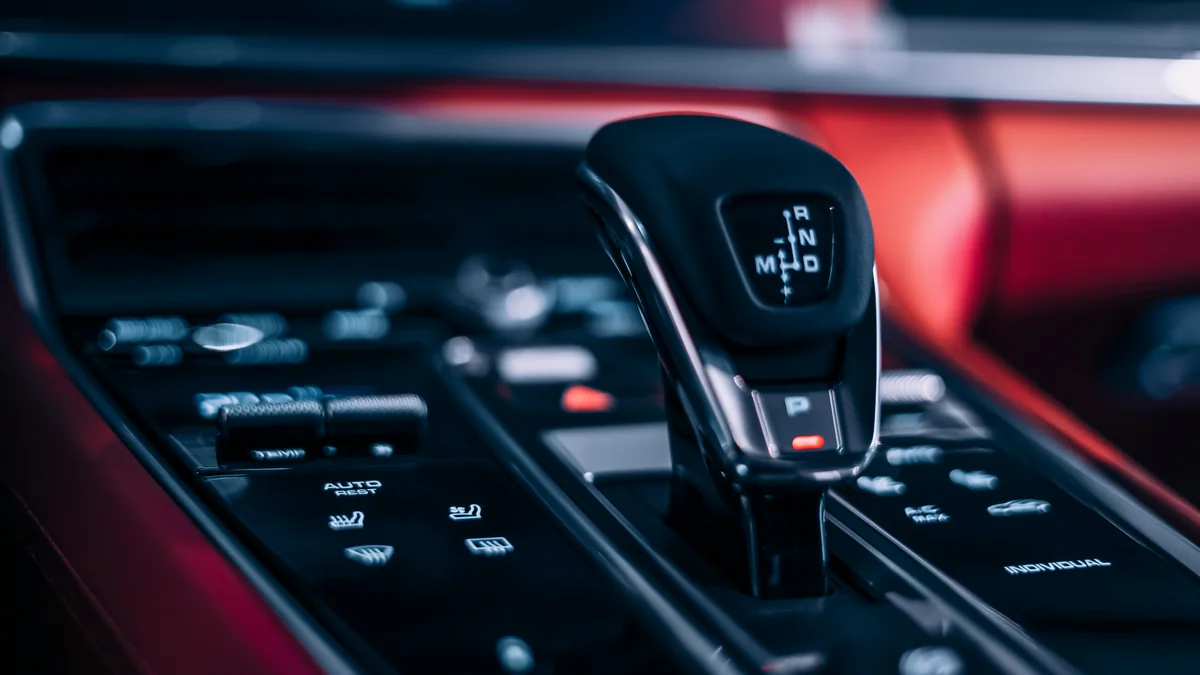
The rise of electric vehicles is perhaps the biggest long-term challenge to the these. Most EVs do not need a traditional multi-speed transmission because electric motors deliver torque across a broad range and can operate efficiently without frequent gear changes. That removes the basic mechanical need for a manual gearbox in most electric designs.
As EV adoption grows, manual transmissions could lose even more market share simply because a larger percentage of new cars will not use conventional transmissions at all. This is especially true in regions pushing aggressive electrification policies. If battery-electric vehicles become the dominant form of personal transportation, the they will likely be concentrated in internal combustion niches, hybrids with specific designs, and specialty products.
That said, some automakers have explored creative ways to simulate or preserve the manual experience in electric vehicles. Experimental systems have included simulated gear shifts, artificial clutch behavior, and software-generated engine-response characteristics. These systems are designed not because EVs need manual shifting, but because some drivers still enjoy the feeling of active involvement.
Whether such features become popular remains uncertain. Purists may argue that simulated manuals are not true manuals, while newer drivers may not care enough to demand them. Yet the existence of these experiments shows that the emotional appeal behind the the concept is significant enough for automakers to consider recreating parts of the experience even in an electric era.
Hybrids complicate the picture further. Some mild hybrids and performance-oriented hybrids may still allow limited manual applications, but increasing drivetrain complexity makes integration harder. Automakers usually prioritize efficiency and software control in hybrid systems, which naturally favors automatic operation.
Even so, the transition to EVs may not eliminate manuals immediately. Internal combustion vehicles are expected to remain on roads worldwide for many years, especially in regions with slower charging infrastructure development or lower EV affordability. During that transition period, the the approach may remain stronger than headlines suggest, particularly in markets where cost, reliability, and driving tradition still matter.
Market niches that may define the future of manual transmission cars
The broad market may be moving away from manuals, but certain niches could sustain the it for longer than many expect. One of the most important is the affordable enthusiast segment. Compact performance cars, small sports coupes, and lightweight roadsters continue to attract buyers who often prefer a manual gearbox as part of the experience.

Another niche is emerging markets where manual transmissions remain common due to cost sensitivity, driving habits, and simpler maintenance expectations. In some countries, manual-equipped vehicles are still widely accepted because they can be cheaper to buy and repair. Although this could change over time as automatics become more accessible, such regions may help extend the this beyond what is seen in North America or parts of Western Europe.
Off-road and utility applications can also support manuals in limited cases. Some drivers still value the precise control a manual can offer in challenging terrain or under load, though modern automatic systems have become extremely capable in these environments. Even here, manuals are no longer dominant, but they may remain attractive to specific user groups.
Brand identity matters as well. Some automakers understand that a manual transmission can strengthen a performance image or appeal to loyalists. For these companies, offering a manual in select models may be less about volume and more about differentiation. A brand that keeps manuals alive can earn credibility among enthusiasts, and that can benefit its reputation across the lineup. This branding factor could influence the these more than raw sales numbers alone.
The used-car ecosystem is another critical niche. Even if fewer new manuals are sold, a large and passionate used market can keep them culturally relevant. Drivers who cannot find a new manual may seek one secondhand, supporting repair shops, aftermarket suppliers, and enthusiast communities. That creates a broader ownership culture that extends the life and visibility of manual vehicles.
Ultimately, the market niches most likely to preserve manuals are the ones where engagement, cost-consciousness, or identity matter more than pure convenience. These segments may never return manuals to mass-market dominance, but they can absolutely keep them alive.
Can automakers keep the future of manual transmission cars alive?
The biggest question is whether automakers see enough strategic value in preserving the future of manual transmission cars. The answer depends on brand positioning, engineering resources, and customer loyalty. For high-volume mainstream vehicles, manuals are likely to continue disappearing because they no longer align with buyer expectations or platform economics. But for targeted products, the case is different.

Automakers can keep manuals alive by limiting them to specific trims or halo vehicles. This approach reduces complexity while satisfying a core enthusiast audience. It also allows brands to generate publicity. Whenever a company announces a new performance car with a manual option, it often receives outsized attention compared with the actual sales volume. That publicity has marketing value.
There is also an opportunity in exclusivity. As manuals become rarer, they can become premium features in an emotional rather than luxury sense. Buyers may choose a manual not because it is the cheapest option, but because it feels more special. This shift in perception could help shape the future of manual transmission cars from a utilitarian choice into a passion-driven product attribute.
Training and accessibility still matter. If fewer people know how to drive manual, demand may shrink simply through lack of familiarity. Driving schools, enthusiast organizations, and peer communities can play a role in maintaining the skill. If automakers truly want to preserve manuals, they may need to support the culture around them, not just the hardware itself.
Government policy could also influence outcomes indirectly. If regulations increasingly favor electrification and advanced automated systems, manuals will face structural disadvantages. But where internal combustion engines remain viable for longer, automakers may continue to offer manual options selectively. The survival of manuals will likely vary by region, segment, and brand strategy rather than following a single global path.
In realistic terms, the future of manual transmission cars is not one of full recovery. Manuals are unlikely to reclaim a major share of the new-car market. Yet survival does not require dominance. A smaller but stable presence in enthusiast, specialty, and value-driven categories may be enough to ensure they remain part of automotive culture for years to come.
FAQ: future of manual transmission cars
Are manual transmission cars going away completely?
Probably not completely. The future of manual transmission cars points toward decline in mainstream vehicles, but not total extinction. Manuals are likely to survive in sports cars, enthusiast models, certain regional markets, and the used-car space.

Why do some drivers still prefer manual cars?
Many drivers enjoy the engagement, control, and skill involved. The future of manual transmission cars remains connected to that emotional appeal, especially among enthusiasts who value a more hands-on driving experience.
Will electric cars end manual transmissions?
Electric vehicles will reduce the need for traditional manuals because most EVs do not require multi-speed gearboxes. Still, the future of manual transmission cars may continue through internal combustion niche models and possible simulated manual experiences in some EVs.
Are manual cars better for performance driving?
That depends on the goal. Modern automatics are often faster on track, but many enthusiasts still prefer manuals for involvement. The future of manual transmission cars in performance segments will likely depend more on driver enjoyment than outright lap times.
Will manual cars become collectible?
In some cases, yes. As they become rarer, certain models may gain desirability. That possibility supports the future of manual transmission cars by increasing interest among collectors and enthusiasts.
Conclusion
The future of manual transmission cars is neither a simple story of disappearance nor a realistic promise of widespread comeback. Manuals are losing ground because modern automatics, electrification, regulations, and consumer habits all favor easier and more integrated drivetrain solutions. In the mainstream market, that trend is unlikely to reverse.
Yet manuals still offer something many drivers believe modern cars increasingly lack: involvement, personality, and mechanical connection. That is why the future of manual transmission cars will likely endure in niches that value emotion over convenience, including sports cars, enthusiast communities, select regional markets, and collector circles.
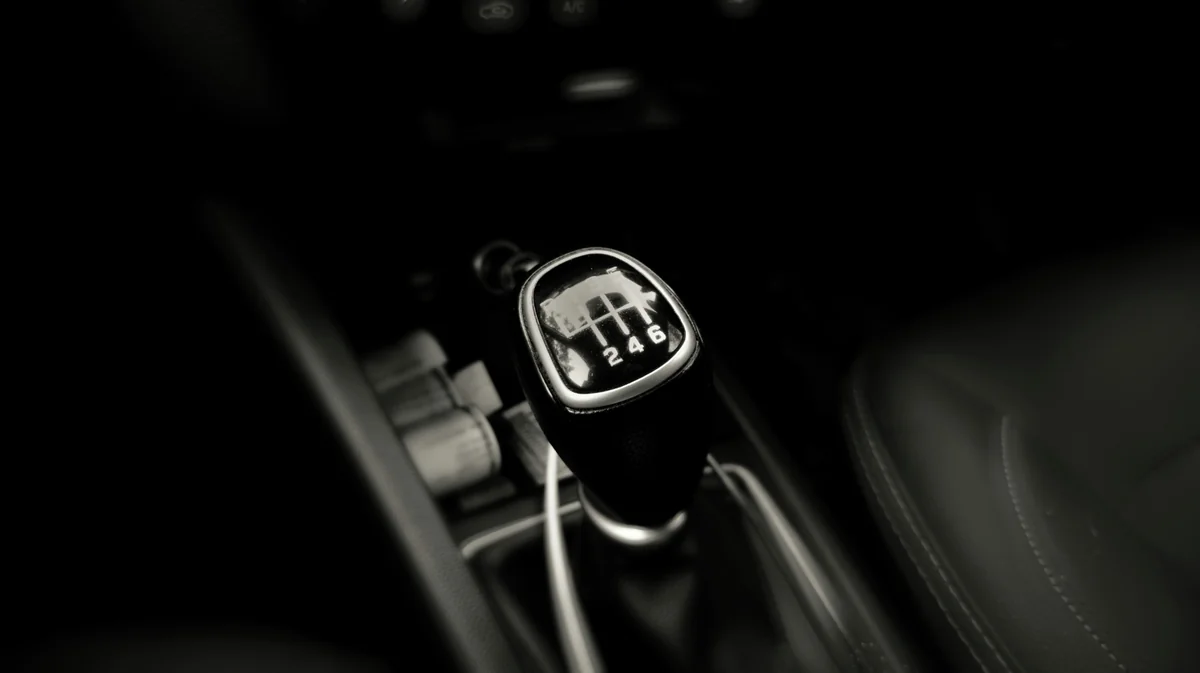
Rather than surviving everywhere, manuals may survive where they matter most. Their role will be smaller, more specialized, and more intentional. For drivers who love the rhythm of clutch, gear lever, and engine response, that may be enough. The future of manual transmission cars may be limited, but it is far from meaningless.