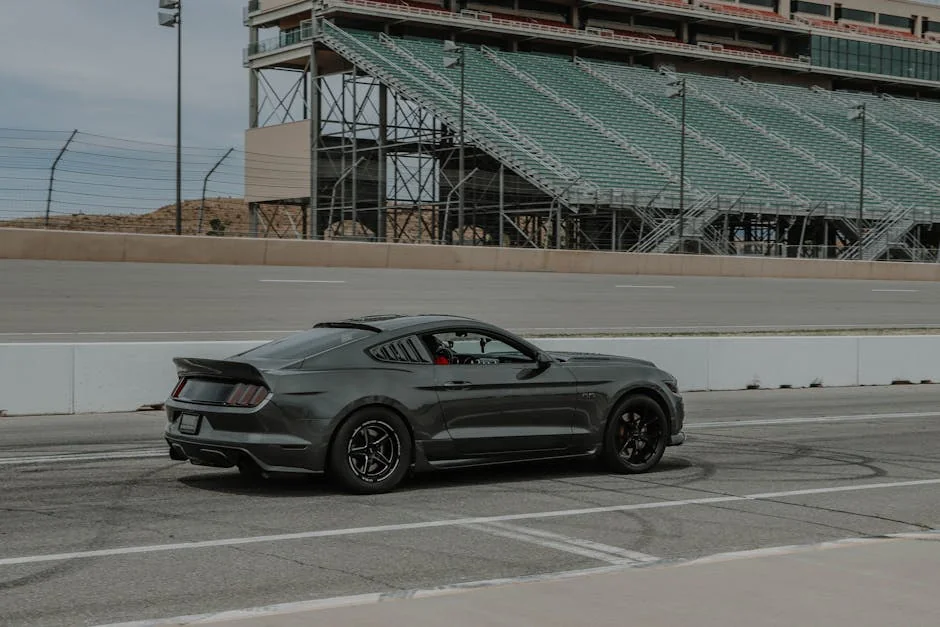
Street driving and circuit performance no longer live in separate worlds. Today’s it let enthusiasts enjoy a machine during the week, then head to a local circuit on the weekend without needing a trailer or a dedicated race build. That balance is exactly why this category has exploded in popularity. Drivers want sharp handling, strong brakes, reliable cooling, and enough comfort to survive daily traffic.
Table of Contents
- What Makes Great street legal track day cars?
- Best street legal track day cars for Different Budgets
- Entry-level options
- Mid-range performance picks
- Premium choices
- How to Choose street legal track day cars for Your Needs
- Essential Upgrades and Ownership Tips for street legal track day cars
- Common Mistakes Buyers Make with street legal track day cars
- FAQ About street legal track day cars
- What are the best beginner-friendly street legal track day cars?
- Are street legal track day cars expensive to maintain?
- Can I daily drive street legal track day cars comfortably?
- Do street legal track day cars need modifications before track use?
- Which drivetrain is best for street legal track day cars?
- Conclusion
Choosing among the best this means looking beyond raw horsepower. Weight, tire setup, suspension tuning, driver confidence, and long-term running costs matter just as much. Some models are ideal for beginners learning lines and braking points, while others reward advanced drivers who want lap-time potential straight from the factory. This guide explores what makes these cars special, how to choose one wisely, and which models stand out for road-and-track use.
What Makes Great street legal track day cars?
The best these are not simply fast road cars. They combine performance, durability, and real-world usability in a package that can handle repeated hard laps without constant overheating, brake fade, or excessive tire wear. On paper, almost any sporty car can seem suitable, but track driving exposes weaknesses quickly.
A great dual-purpose car usually starts with manageable weight. A lighter chassis improves braking, cornering, tire longevity, and driver feedback. Cars that weigh less often feel more predictable near the limit, which is especially valuable for track day newcomers. Power matters, but usable power matters more. A balanced machine with 230 to 350 horsepower can often be more rewarding than a heavier, more powerful alternative.
Braking is another major factor. Strong factory calipers, good airflow, quality pads, and heat-resistant fluid can transform a fun road car into one of the most dependable they. Cooling also deserves close attention. Oil temperatures, coolant behavior, and transmission durability all become critical after multiple fast sessions.
Suspension tuning separates competent cars from exceptional ones. The ideal setup resists body roll, communicates grip clearly, and remains livable on public roads. Modern adaptive dampers can help, but well-tuned fixed suspension can be just as effective. Steering feel and seat support also play larger roles than many buyers expect. If a driver feels connected and secure, confidence rises, and confidence often produces better lap times than extra horsepower.
Finally, ownership costs should never be ignored. Tires, pads, rotors, fluids, fuel, and insurance add up quickly. The smartest buyers compare operating expenses before purchasing. Some of the most beloved cars in this segment are not the fastest overall; they are the ones owners can afford to drive hard again and again.
Best street legal track day cars for Different Budgets

There is no single answer for everyone shopping for the concept. Budget shapes the experience dramatically, from affordable momentum cars to premium machines with factory-ready aero and advanced electronics.
Entry-level options
The Mazda MX-5 Miata remains a benchmark. It is light, communicative, inexpensive to run, and remarkably fun at sane speeds. Its modest power teaches momentum driving, proper corner entry, and smooth weight transfer. For many drivers, a Miata is the ideal first step into track culture.
The Toyota GR86 and Subaru BRZ also deserve serious attention. Their front-engine, rear-drive layout, balanced chassis, and approachable handling make them some of the most educational performance cars available. They offer enough comfort for daily use while staying playful and forgiving on track.
The Honda Civic Si and Volkswagen GTI can also work well for drivers who prefer front-wheel drive practicality. Both provide accessible performance and useful cargo space. While they may need brake and tire upgrades for repeated hard use, they remain appealing real-world choices.
Mid-range performance picks
In the middle of the market, the Toyota GR Corolla brings rally-inspired character, practical packaging, and impressive grip. The Honda Civic Type R has become one of the most complete the approach on sale, blending world-class front-wheel-drive capability with real everyday comfort. It is fast, stable, and engineered to handle abuse better than many rivals.
The Chevrolet Camaro SS 1LE is a standout value for buyers focused on lap times. It is heavier than smaller options, but the chassis tuning, magnetic dampers, brakes, and cooling package are exceptional. For many U.S. buyers, few cars deliver more performance per dollar.
The Ford Mustang Mach 1 also belongs in this conversation, especially with the handling package. It offers V8 character, strong track hardware, and respectable road manners. Drivers seeking drama, speed, and durability often shortlist it quickly.
Premium choices
At the higher end, the Porsche 718 Cayman and Cayman GTS are among the finest it ever built. Their mid-engine balance, precision, and braking confidence make them favorites at circuits around the world. They are expensive, but their capability is obvious from the first corner.
The BMW M2 is another compelling option, with compact proportions, rear-drive dynamics, and everyday usability. Meanwhile, the Lotus Emira appeals to purists who prioritize feel, design, and driver involvement over outright practicality.
Buyers with bigger budgets should still stay disciplined. A more expensive car may be faster, but consumables can rise sharply too. The best value often comes from buying slightly below your maximum budget and reserving funds for tires, maintenance, instruction, and track fees.
How to Choose street legal track day cars for Your Needs

Shopping for this should begin with honest self-assessment. The right car for an experienced driver chasing advanced-group lap times may be the wrong car for someone attending a first event. Think about your local tracks, weather, mechanical skill, passenger needs, and annual budget before making a decision.
Start with your purpose. Will the car be a daily driver, a weekend toy, or something in between? If commuting comfort matters, road noise, visibility, ride quality, infotainment, and storage all deserve attention. A razor-sharp car that feels exhausting in traffic may become frustrating over time.
Next, evaluate reliability and consumable costs. Some models are easy on pads and tires, while others can burn through expensive components quickly. Research known weak points such as overheating, diff cooling, gearbox concerns, or alignment limitations. The most satisfying these are the ones that spend more time on track than in the shop.
Transmission choice matters too. Manual gearboxes often provide more engagement and driver education. Automatic or dual-clutch transmissions can deliver faster shifts and reduce workload, especially for newer drivers concentrating on braking points and racing lines. There is no universal right answer; the best choice depends on what kind of experience you want.
You should also consider aftermarket support. Cars with strong enthusiast communities are usually easier to maintain and upgrade. Access to brake kits, track pads, alignment solutions, cooling upgrades, and proven wheel-and-tire setups makes ownership smoother. Even if you plan to keep the car stock, strong community knowledge can save money and reduce trial-and-error mistakes.
Before buying, inspect seating position and helmet clearance. A car that feels perfect on the street may become awkward with a helmet on. Test visibility, steering wheel adjustment, pedal placement, and the ability to brace yourself during cornering. Comfort under load is not a luxury; it affects consistency and safety.
Finally, invest in instruction before major modifications. The owner of a modest but well-driven car often outperforms someone in a much faster machine. Driver development remains the highest-value upgrade in the entire track day world.
Essential Upgrades and Ownership Tips for street legal track day cars
Even the best they benefit from thoughtful preparation. The goal is not to turn a road car into an uncompromising race machine, but to improve reliability, consistency, and safety while preserving street usability.

The first upgrade should usually be tires. A quality 200-treadwear performance tire can dramatically increase grip, braking, and driver confidence. However, more grip also increases stress on brakes and suspension, so balance is important. For many owners, a dedicated second wheel set is one of the smartest long-term investments.
Brake pads and fluid are equally critical. Factory pads may be fine for spirited road use but can fade after repeated high-speed stops. Switching to track-capable pads and high-temperature fluid often transforms the experience. Stainless brake lines may improve pedal feel, though they are usually secondary to pads and fluid.
Alignment is another high-value change. More negative camber can reduce shoulder wear and improve front-end grip, particularly on cars that tend to understeer. A proper alignment setup is one of the least glamorous but most effective ways to enhance the concept.
Cooling upgrades become important if your car runs hot after multiple sessions. Oil coolers, better brake ducting, upgraded radiators, or transmission cooling solutions can protect expensive components. Always monitor temperatures and avoid chasing lap times if the car is showing stress.
Maintenance discipline matters more than flashy modifications. Change fluids on schedule, inspect brake thickness, check wheel torque, monitor tire pressures, and look for cracks or leaks after each event. Track driving reveals problems fast, but regular inspections help prevent small issues from becoming major failures.
Safety should also remain central. A quality helmet, proper seating position, and understanding your event organizer’s rules are non-negotiable. Some drivers eventually add bucket seats or harness bars, but any safety change should be researched carefully, especially in a car that still sees daily street use.
One final tip: build gradually. Many owners rush to modify suspension, power, and aero before understanding the car’s baseline behavior. Drive it stock first, address weaknesses one at a time, and let data from your actual track use guide every change.
Common Mistakes Buyers Make with street legal track day cars
Many shoppers enter this segment with excitement but unrealistic priorities. The first mistake is buying based only on horsepower. The fastest-looking option on paper may be expensive to run, intimidating at the limit, or poorly suited to novice drivers. The most enjoyable the approach often emphasize balance and communication over brute force.

Another common mistake is underestimating operating costs. Purchase price is only the beginning. Tires, pads, rotors, premium fuel, insurance, and event fees can exceed expectations quickly. A lower-cost car that can run all season reliably may provide far more seat time than a pricier machine with expensive consumables.
Some buyers also assume every factory performance model is ready for track abuse. That is not always true. A car can be marketed as sporty yet still suffer from heat management issues, weak stock pads, or alignment limitations. Research owner experiences and independent testing before committing.
Skipping a pre-purchase inspection is another avoidable error, especially for used performance cars. Previous owners may have tracked the vehicle heavily, installed poor-quality modifications, or neglected fluid changes. Service records, tire wear patterns, and brake condition can reveal a lot.
Finally, people often overlook skill development. Instead of spending everything on the car, reserve budget for coaching and track time. Better technique improves safety, enjoyment, and speed more consistently than another 50 horsepower ever will. That mindset leads to smarter ownership and a more rewarding long-term experience.
FAQ About street legal track day cars
What are the best beginner-friendly street legal track day cars?
For beginners, some of the best it include the Mazda MX-5 Miata, Toyota GR86, Subaru BRZ, and Honda Civic Si. These cars are predictable, affordable to maintain, and excellent for learning momentum, braking, and cornering technique without overwhelming the driver.

Are street legal track day cars expensive to maintain?
Maintenance costs vary widely. Some street legal track day cars are relatively affordable, especially lighter models with smaller tires and brakes. Others can become costly due to premium tires, fuel consumption, brake wear, and specialized parts. Researching consumables is essential before buying.
Can I daily drive street legal track day cars comfortably?
Yes, many street legal track day cars are designed to balance road comfort with circuit capability. Models like the Civic Type R, GTI, BMW M2, and Porsche 718 Cayman can work well for both commuting and weekend events, though comfort levels differ by suspension setup and tire choice.
Do street legal track day cars need modifications before track use?
Most street legal track day cars can attend a beginner track day in stock form if they are well maintained. That said, high-temperature brake fluid, better brake pads, and a track-friendly alignment are often wise early upgrades for improved reliability and consistency.
Which drivetrain is best for street legal track day cars?
The best drivetrain depends on your goals. Rear-wheel-drive street legal track day cars often offer more adjustability and classic performance balance, while front-wheel-drive models can be practical, confidence-inspiring, and extremely capable. All-wheel drive can add grip but often increases weight and operating costs.
Conclusion
The market for street legal track day cars has never been more exciting. Whether you prefer a lightweight momentum car, a practical hot hatch, an American V8 coupe, or a precision-engineered sports car, there is a strong option for nearly every budget and skill level. The right choice depends on more than speed. Reliability, consumable costs, comfort, track readiness, and your personal driving goals all matter.
If you approach the process carefully, the best street legal track day cars can deliver an unmatched blend of weekday usability and weekend excitement. Buy with your head as well as your heart, prioritize driver development, and choose a platform you can afford to enjoy often. The ideal road-to-track machine is not just the one that looks fastest online—it is the one that keeps you coming back for another session.