Replacing brake pads is one of the most common car maintenance jobs, yet many drivers are unsure what they should actually pay. A clear it helps you understand price ranges, labor charges, parts quality, and the factors that affect your final bill. Whether you drive a compact sedan, SUV, truck, or luxury vehicle, brake service costs can vary more than most people expect. Knowing what influences pricing makes it easier to compare quotes and avoid overpaying.
Table of Contents
- Average Brake Pad Replacement Costs
- What Affects Brake Pad Replacement Pricing?
- 1. Vehicle Type
- 2. Brake Pad Material
- 3. Labor Rates
- 4. Front vs. Rear Brakes
- 5. Rotor Condition
- 6. Extra Parts and Services
- Front vs. Rear Brake Pad Costs and Repair Scenarios
- Front Pads Only
- Front Pads and Rotors
- Rear Pads with Electronic Parking Brake Service
- Full Brake Job
- Signs You Need New Brake Pads and How to Save Money
- Common Signs Your Brake Pads Need Replacement
- How to Save Money on Brake Service
- FAQ
- How much does brake pad replacement usually cost?
- Is it cheaper to replace only front brake pads?
- Why do dealerships charge more for brake pad replacement?
- How often should brake pads be replaced?
- Do I need to replace rotors when replacing brake pads?
- Can I drive with worn brake pads to save money?
- Conclusion
This this explains average costs, warning signs, labor differences, front versus rear brake pricing, and ways to save without sacrificing safety. If you want to budget for routine brake service and make informed decisions at the repair shop, this article will give you a practical and detailed breakdown.
Average Brake Pad Replacement Costs
A reliable these starts with the average numbers most drivers will encounter. For most vehicles, replacing brake pads on one axle usually costs between $150 and $400. If you replace both front and rear pads at the same time, total costs often range from $300 to $800. These estimates typically include both parts and labor, though the exact amount depends on your car and your location.
The reason any they must present a range instead of a fixed number is simple: brake systems vary widely. Economy cars generally use less expensive pads and require less labor. Larger SUVs and trucks often need bigger, more durable pads, which raise both material and labor costs. Luxury brands and performance vehicles can cost significantly more because they often use premium components and require specialized service procedures.
Here is a general pricing breakdown:
| Service Type | Typical Cost Range |
|—|—:|
| Front brake pads only | $150-$350 |
| Rear brake pads only | $150-$350 |
| Front and rear brake pads | $300-$700 |
| Premium or luxury vehicle pads | $400-$1,000+ |
Many shops also inspect the rotors during a brake pad job. If the rotors are worn, warped, or below minimum thickness, they may need resurfacing or replacement. That adds to the bill. A full brake job with pads and rotors can bring the total to $300 to $800 per axle, and sometimes more for premium vehicles.
Another important point in this the concept is that dealerships usually charge more than independent repair shops. Dealerships often use original equipment manufacturer parts and higher hourly labor rates. Independent mechanics may offer lower prices while still providing quality aftermarket or OEM-equivalent pads. National chains sometimes advertise low brake specials, but always confirm what is included before agreeing to service.
If you are comparing quotes, ask whether the estimate includes:
– Brake pads
– Labor
– Hardware kits
– Rotor inspection
– Brake fluid top-off
– Shop fees and taxes
These details matter because one shop may quote a lower base price but add fees later. Understanding the total estimate is essential if you want a useful the approach for real-world budgeting.
What Affects Brake Pad Replacement Pricing?
Any thorough it must explain why prices can differ so much between drivers. The total cost is shaped by several factors, and understanding them can help you judge whether a quote is fair.
1. Vehicle Type
Small commuter cars usually cost less to service than large trucks, SUVs, and luxury vehicles. Bigger vehicles place more demand on braking systems, so they often need larger, heavier-duty pads. Performance models may require specialized materials designed to handle high heat and aggressive braking.
2. Brake Pad Material
A strong this should include pad material because it has a direct impact on price. The three most common types are:
– Organic brake pads: Usually the least expensive, but they wear faster.
– Semi-metallic brake pads: Durable and common, with moderate pricing.
– Ceramic brake pads: Often the most expensive, but quieter and cleaner.
Ceramic pads can cost significantly more upfront, yet some drivers prefer them for reduced noise and brake dust. The best choice depends on your driving habits, your vehicle, and your budget.
3. Labor Rates
Labor rates vary by region. Urban repair shops typically charge more than rural shops due to higher overhead. A shop charging $80 per hour will naturally be less expensive than one charging $180 per hour. Even if the brake pad replacement itself takes only one to two hours, the labor rate can make a noticeable difference.
4. Front vs. Rear Brakes
In many vehicles, front brakes wear faster because they handle more stopping force. However, rear brake service can be just as expensive on some cars, especially if the rear brakes involve electronic parking brake systems that require special tools or software.
5. Rotor Condition
No these is complete without mentioning rotors. Installing new brake pads on badly worn rotors can reduce braking performance and shorten pad life. If your rotors are damaged or too thin, replacement may be recommended. This can raise your bill dramatically, but it may also be necessary for safety and long-term value.
6. Extra Parts and Services
Shops may recommend brake hardware, caliper pin lubrication, brake fluid service, or sensor replacement. Some vehicles use wear sensors that trigger dashboard warnings when the pads are low. These items are not always included in the lowest advertised price.
When evaluating your estimate, ask the shop to separate the parts cost from labor. A transparent quote is one of the most useful tools in any brake pad replacement cost guide, because it lets you see where your money is going.
Front vs. Rear Brake Pad Costs and Repair Scenarios
A practical brake pad replacement cost guide should help you understand whether replacing front pads, rear pads, or both makes the most financial sense. In many vehicles, the front brake pads wear out first. That means your first brake job may only involve the front axle.
Front brake pad replacement usually falls in the $150 to $350 range for standard vehicles. Rear pad replacement is often similar, though some systems are more complex and can cost more. If a technician recommends replacing both front and rear pads at once, the total is often cheaper than scheduling two separate visits because some labor overlaps.
There are several common repair scenarios:
Front Pads Only
This is often the least expensive option. If your rear pads still have plenty of life left, there is no reason to replace them early. A balanced brake pad replacement cost guide should emphasize that you do not always need all four pads replaced at the same time.
Front Pads and Rotors
If the front rotors are heavily worn or warped, they may need replacement along with the pads. This can increase the front brake service total to $300 to $700 or more.
Rear Pads with Electronic Parking Brake Service
Some newer vehicles require a technician to place the electronic parking brake system into service mode. This can increase labor costs and make rear brake service less straightforward than many drivers expect.
Full Brake Job
A full brake job includes front and rear pads and may also include rotor replacement on both axles. This is the most expensive scenario, but it may be necessary on higher-mileage vehicles or if brake maintenance has been delayed.
A useful brake pad replacement cost guide should also mention that replacing pads too late can increase costs. When worn pads grind into the rotors, you may turn a simple maintenance job into a more expensive repair. Addressing brake wear early is one of the easiest ways to save money.
It is also smart to compare the life expectancy of different pads. Lower-cost pads may seem attractive, but if they wear out much sooner, the long-term value may be poor. Choosing quality parts often lowers your cost per mile, which is a key takeaway from any good brake pad replacement cost guide.
Signs You Need New Brake Pads and How to Save Money
An effective brake pad replacement cost guide should not only cover pricing but also help drivers recognize when service is needed. Catching brake wear early protects your safety and may prevent more expensive repairs.
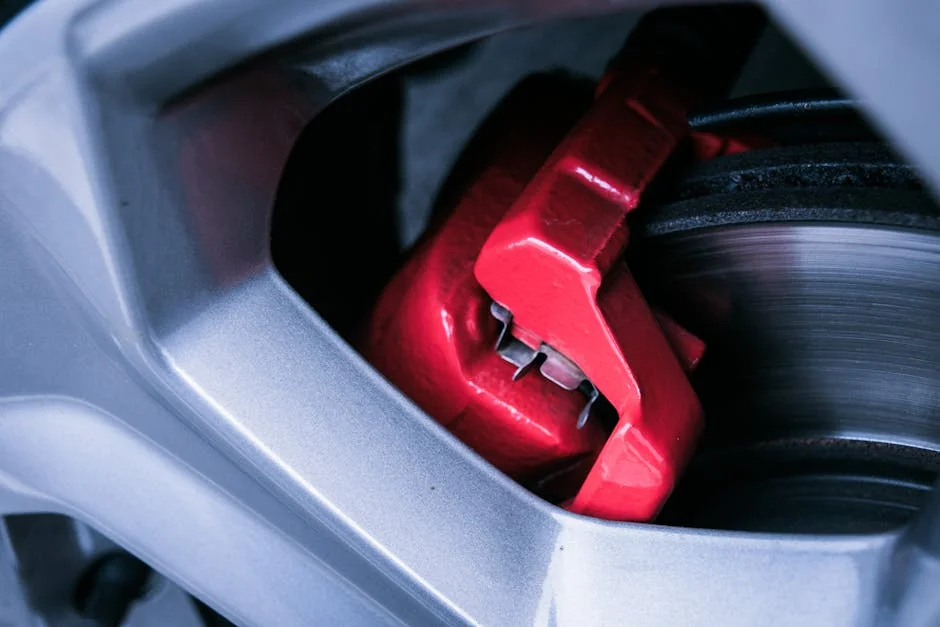
Common Signs Your Brake Pads Need Replacement
– Squeaking or squealing sounds: Many pads have wear indicators that make noise when the pad material gets low.
– Grinding noise: This often means the pads are severely worn and metal is contacting the rotor.
– Longer stopping distances: Reduced braking efficiency can signal worn pads or other brake issues.
– Brake warning light: Some vehicles have brake wear sensors.
– Vibration while braking: This may indicate rotor problems in addition to pad wear.
– Thin pad material visible through the wheel: If the pad looks very thin, inspection is overdue.
If you notice any of these symptoms, get your brakes inspected promptly. Waiting too long can turn a moderate brake bill into a major repair.
How to Save Money on Brake Service
A smart brake pad replacement cost guide should always include practical savings tips. Here are some of the best ways to reduce your total cost without compromising safety:
#### 1. Compare Multiple Quotes
Get estimates from at least three providers: a dealership, an independent mechanic, and a national chain. This quickly shows you the local price range.
#### 2. Ask What Is Included
A low headline price may only cover basic pad installation. Confirm whether the quote includes hardware, rotor inspection, labor, taxes, and shop fees.
#### 3. Choose Quality Aftermarket Pads
OEM parts are not always necessary. Many aftermarket brands offer excellent performance at a lower price.
#### 4. Replace Pads Before They Damage Rotors
One of the most important lessons in any brake pad replacement cost guide is that preventive maintenance saves money. Replacing pads on time can help you avoid rotor replacement.
#### 5. Look for Coupons and Promotions
Many shops offer seasonal brake specials, especially national service chains. Just make sure the promotion covers the service you actually need.
#### 6. Avoid the Cheapest Option if Quality Is Poor
Very cheap pads may create more dust, noise, and faster wear. Spending a bit more on reliable parts can reduce repeat repairs.
#### 7. Drive More Smoothly
Hard braking and aggressive driving wear pads faster. Gentle, anticipatory braking can extend brake life significantly.
If you want to lower ongoing brake expenses, your driving style matters almost as much as the initial price. That is why every realistic brake pad replacement cost guide should look at both repair pricing and the habits that influence how often you need service.
FAQ
How much does brake pad replacement usually cost?
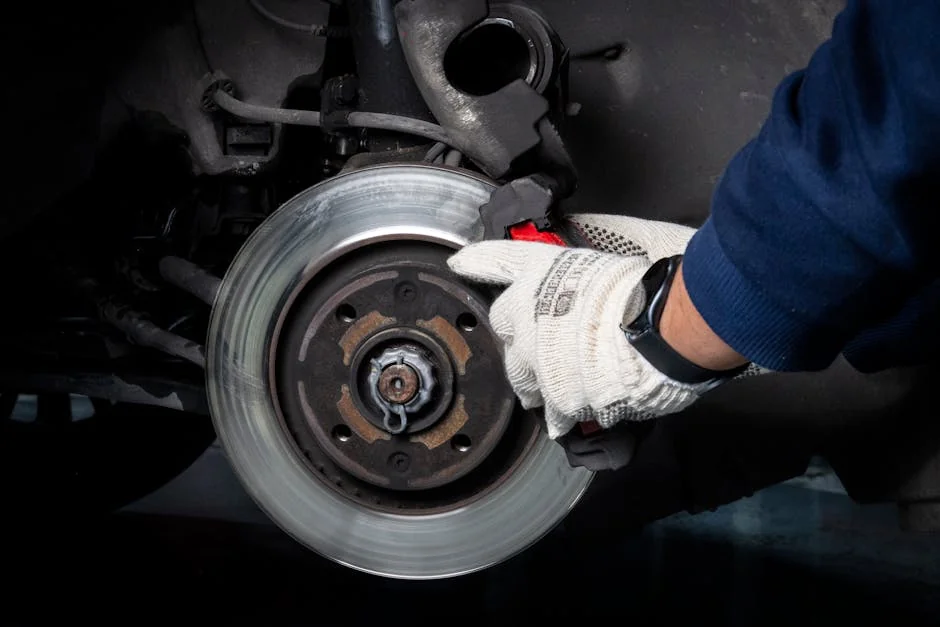
According to this brake pad replacement cost guide, most drivers pay about $150 to $400 per axle for brake pad replacement, depending on the vehicle, parts, and labor rates. If rotors also need replacement, the total cost can rise substantially.
Is it cheaper to replace only front brake pads?
Yes, if only the front pads are worn, replacing just that axle is usually cheaper. A good brake pad replacement cost guide recommends replacing pads based on actual wear rather than automatically changing all four at once.
Why do dealerships charge more for brake pad replacement?
Dealerships often have higher labor rates and may use OEM parts, which increases the total bill. This brake pad replacement cost guide suggests comparing dealer pricing with reputable independent shops before deciding.
How often should brake pads be replaced?
Brake pad life varies widely, often between 25,000 and 70,000 miles. Driving conditions, vehicle weight, and pad material all matter. Any brake pad replacement cost guide should note that city driving and frequent hard braking shorten pad life.
Do I need to replace rotors when replacing brake pads?
Not always. Rotors only need replacement if they are worn, warped, damaged, or below specification. This brake pad replacement cost guide recommends having rotors measured and inspected during every brake service.
Can I drive with worn brake pads to save money?
It is not a good idea. Delaying service can damage rotors, reduce braking performance, and increase repair costs. The safest advice in any brake pad replacement cost guide is to replace worn pads as soon as they are identified.
Conclusion
This brake pad replacement cost guide shows that typical brake pad service ranges from affordable routine maintenance to a much larger repair bill when rotors and extra parts are involved. For most vehicles, you can expect to pay $150 to $400 per axle, but vehicle type, labor rates, pad material, and rotor condition all affect the final price. Comparing estimates, understanding what is included, and replacing pads before they become dangerously worn are the best ways to manage costs.
If you use this brake pad replacement cost guide when shopping for brake service, you will be in a much stronger position to judge quotes, choose quality parts, and protect both your budget and your safety.