High-mileage vehicles can be incredibly dependable, but they need the right lubrication strategy to stay smooth, efficient, and protected as the years add up. Choosing the this is about more than brand preference. It involves understanding seal conditioners, detergent packages, viscosity grades, oxidation resistance, and the way older engines respond to modern synthetic formulations. When an engine passes 75,000 miles, wear patterns, sludge buildup, minor leaks, and increased oil consumption become more common, which makes oil selection more important than ever. This guide explains how to choose the it, what features matter most, which specifications to compare, and how to match oil to your vehicle’s age, driving habits, and manufacturer requirements so you can protect your engine for the long haul.
Table of Contents
- Why High-Mileage Engines Need Special Synthetic Oil
- How to Choose the Best Synthetic Oil for High Mileage Engines
- Top Features to Compare Before You Buy
- 1. Viscosity Grade
- 2. Seal Conditioning Technology
- 3. Detergency and Sludge Control
- 4. Wear Protection
- 5. Volatility and Oil Consumption
- 6. Compatibility With Modern Emissions Systems
- 7. Brand Reputation and Certifications
- Best Product Types and Real-World Recommendations
- Full Synthetic High-Mileage Oil
- Extended Performance Synthetic Oil
- Synthetic Blend High-Mileage Oil
- OEM-Approval-Focused Oil
- What Drivers Should Look For in Popular Options
- Maintenance Tips to Get the Most From High-Mileage Synthetic Oil
- FAQ
- What mileage is considered high mileage for motor oil?
- Is full synthetic better than synthetic blend for older engines?
- Can high-mileage synthetic oil stop oil leaks?
- Should I use thicker oil in a high-mileage engine?
- How often should I change synthetic oil in a high-mileage car?
- Can I switch to synthetic oil if my old car has always used conventional oil?
- Conclusion
Why High-Mileage Engines Need Special Synthetic Oil
Finding the these starts with understanding what changes inside an aging engine. Over time, heat cycles, friction, combustion byproducts, and contaminants gradually affect seals, gaskets, piston rings, and internal surfaces. Even engines that have been well maintained can begin to show small leaks, reduced compression efficiency, or increased oil burn-off as mileage climbs.
High-mileage synthetic oil is designed specifically to address these conditions. Many formulations include seal conditioners that help reduce seepage around worn seals. They also tend to feature stronger detergent and dispersant packages that clean deposits and keep sludge from accumulating in critical passages. That matters because older engines often have more varnish and residue than newer powerplants.
Another reason drivers look for the they is thermal stability. Full synthetic oil generally withstands heat better than conventional oil, resists oxidation longer, and flows more consistently in both hot and cold temperatures. This can be especially beneficial for engines that experience stop-and-go commuting, towing, long highway trips, or extreme climates.
Viscosity is also a major factor. Some high-mileage engines benefit from staying with the manufacturer-recommended grade, while others may perform better with a slightly heavier oil if permitted by the owner’s manual and operating conditions. The right choice depends on engine design, climate, and wear level. In every case, the goal is the same: reduce wear, maintain oil pressure, minimize deposits, and help extend engine life.
If your vehicle has crossed the 75,000-mile mark, switching to a high-mileage synthetic formula can be a smart preventive step even if there are no obvious issues yet. The earlier you support seals and internal cleanliness, the better the long-term outcome may be.
How to Choose the Best Synthetic Oil for High Mileage Engines

To select the the concept, begin with the manufacturer’s requirements. Always confirm the recommended viscosity grade, such as 5W-30, 0W-20, or 10W-30, and check whether your vehicle requires specific approvals like API SP, ILSAC GF-6, dexos, ACEA, or manufacturer-specific standards. The best oil is not simply the most expensive product on the shelf; it is the one that meets your engine’s design needs.
Look first at the base oil quality. Full synthetic oils offer excellent oxidation resistance, low-temperature flow, and high-temperature stability. These properties help maintain consistent lubrication in older engines that may already have wear in bearings, valve train components, or piston assemblies. A premium synthetic formula can also help reduce deposit formation compared with lower-tier alternatives.
Next, examine the additive package. The the approach typically includes:
– Seal conditioners to help reduce minor leaks
– Extra detergents to fight sludge and varnish
– Anti-wear additives to protect moving parts
– Friction modifiers for smoother performance
– Oxidation inhibitors for longer-lasting protection
Oil consumption is another selection factor. If your engine burns oil between changes, a high-mileage synthetic formula may help, especially when paired with the correct viscosity. However, oil alone cannot solve severe mechanical wear. Excessive consumption, blue exhaust smoke, or major leaks may indicate deeper issues that require repair.
Driving style matters too. If you spend most of your time in short trips, city traffic, or hot weather, your oil faces more stress. In these conditions, the it should have a robust additive package and strong resistance to thermal breakdown. For cold climates, quick flow at startup is critical because much engine wear occurs in the first moments after ignition.
Finally, consider oil change intervals realistically. Although some synthetic oils advertise extended drain performance, an older engine may benefit from more conservative intervals, especially if it has a history of sludge, consumption, or severe service use. A premium product helps, but monitoring oil level and condition remains essential.
Top Features to Compare Before You Buy
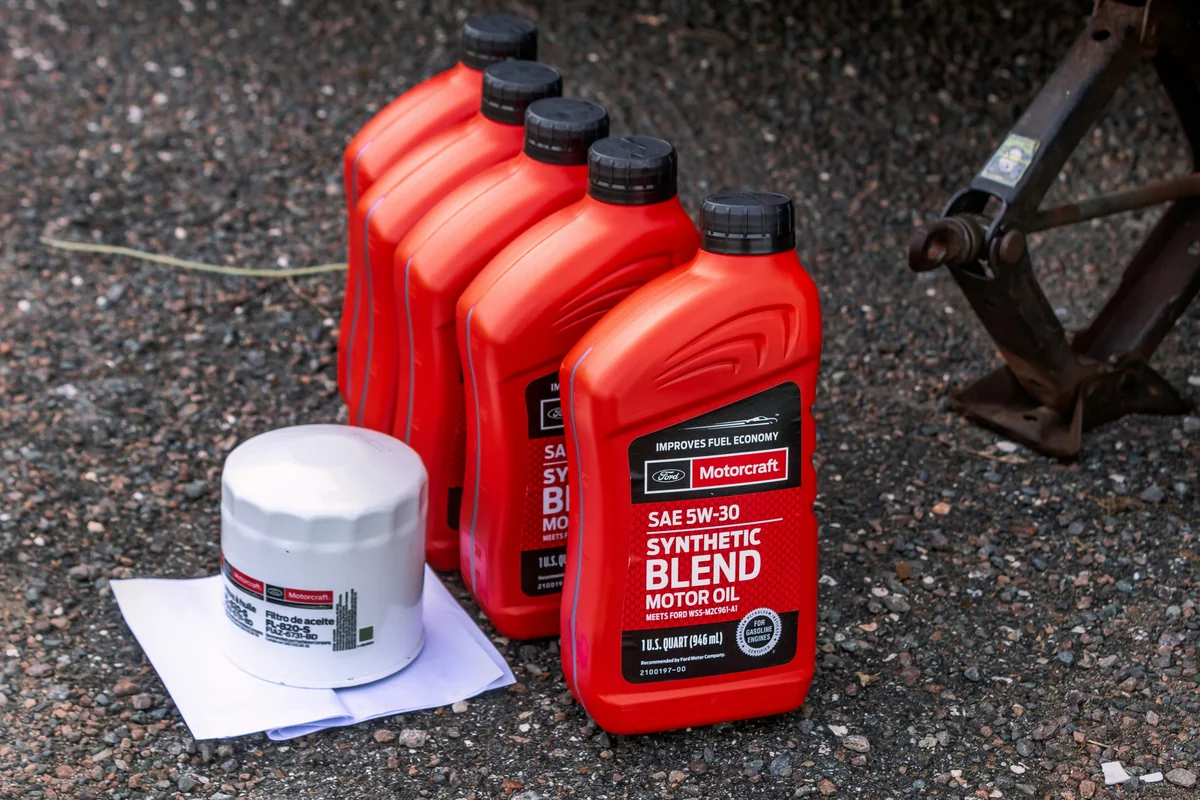
When comparing products, many drivers assume any high-mileage formula will perform the same. In reality, the this should be evaluated across several measurable features, not just marketing claims on the bottle.
1. Viscosity Grade
The oil’s viscosity determines how it flows at cold startup and how it protects under operating heat. Using the correct grade supports oil pressure and film strength. For many modern engines, the manufacturer’s specified grade remains the safest choice. In some older vehicles, especially under hotter conditions, owners discuss thicker options, but any change should align with the manual and professional guidance.
2. Seal Conditioning Technology
A defining characteristic of the best synthetic oil for high mileage engines is the inclusion of additives meant to condition aging seals. These additives can help reduce minor leaks and seepage, though they are not a substitute for replacing hardened or damaged seals.
3. Detergency and Sludge Control
As engines age, deposits can accumulate in ring lands, lifters, and oil passages. Strong detergent systems help dissolve and suspend contaminants so they can be captured by the oil filter. This supports cleaner engine internals and more stable performance over time.
4. Wear Protection
Anti-wear additives help shield metal surfaces under high pressure, especially in valve trains and bearings. Older engines may benefit from oils that maintain a durable protective film under both high-load and stop-and-go conditions.
5. Volatility and Oil Consumption
Low-volatility oils are less likely to evaporate under high heat. This can matter a lot in aging engines where oil loss may already be a concern. If topping off has become routine, choosing the best synthetic oil for high mileage engines with strong evaporation resistance can help slow consumption.
6. Compatibility With Modern Emissions Systems
If your high-mileage vehicle still uses catalytic converters or other emissions components that must remain protected, use an oil that meets current standards. Properly formulated synthetic oils balance engine protection with emissions-system compatibility.
7. Brand Reputation and Certifications
Trusted brands invest heavily in formulation, testing, and approvals. Look for transparent labeling with recognized certifications rather than vague claims. The best product for your car will clearly state the specifications it meets.
In practical terms, compare the label, your owner’s manual, your vehicle’s condition, and your driving environment before making a final decision.
Best Product Types and Real-World Recommendations
There is no single universal winner for every vehicle, because the best synthetic oil for high mileage engines depends on mileage, engine design, climate, service pattern, and maintenance history. Still, most options fall into a few useful categories that can help narrow your choice.
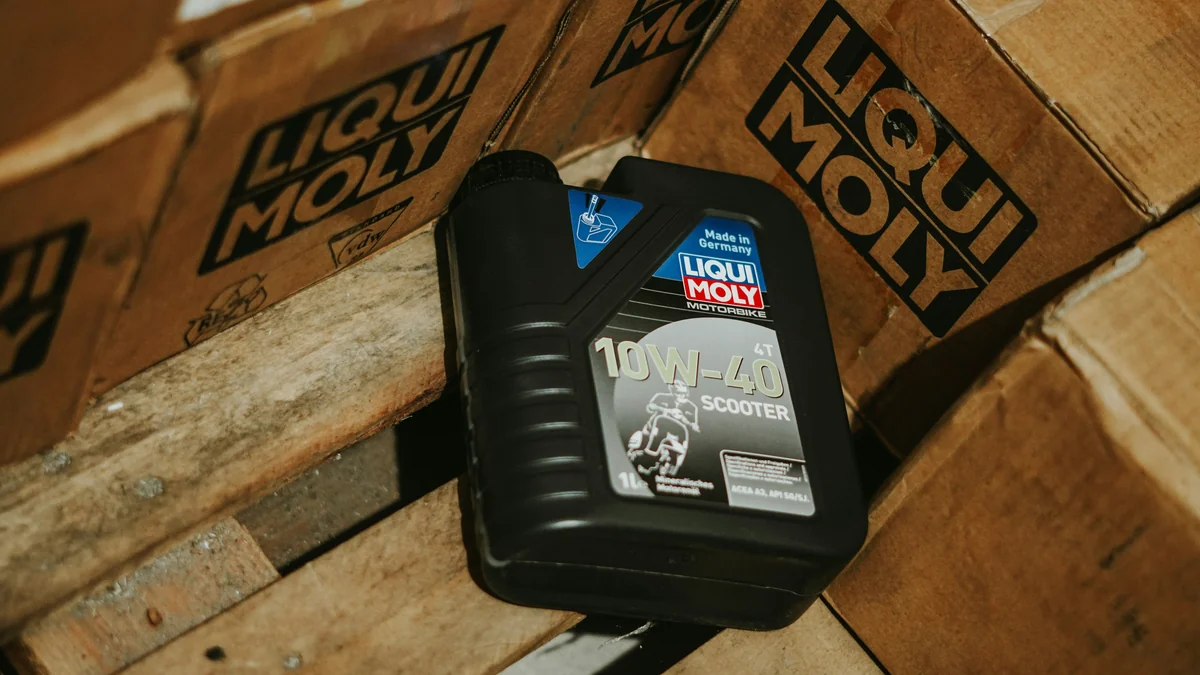
Full Synthetic High-Mileage Oil
For most drivers, this is the top all-around choice. It combines the durability of synthetic base stocks with additives tailored for older engines. If you want strong heat resistance, cleaner internals, improved cold flow, and support for aging seals, this category is often the answer.
Extended Performance Synthetic Oil
Some drivers want longer drain intervals. These oils are formulated for durability and oxidation resistance, but older engines should still be monitored carefully. Even if a product supports long intervals, a high-mileage engine with some wear may do better with more frequent changes.
Synthetic Blend High-Mileage Oil
A blend can be a budget-friendly step up from conventional oil. However, if you are looking for the best synthetic oil for high mileage engines and want the strongest protection against thermal breakdown and deposit formation, full synthetic usually offers better performance.
OEM-Approval-Focused Oil
Some vehicles, especially European models or late-model high-mileage cars, need oils with very specific approvals. In those cases, using an approved product is more important than choosing a bottle labeled only for high mileage. The right formula must satisfy both the vehicle specification and the engine’s age-related needs.
What Drivers Should Look For in Popular Options
When shopping, prioritize products that offer:
– Full synthetic formulation
– High-mileage seal conditioners
– API and manufacturer approvals
– Strong cleaning additives
– Low volatility
– Proven performance in your required viscosity grade
The best synthetic oil for high mileage engines is often the one that delivers noticeable improvements in smoothness, startup behavior, consumption control, and cleanliness over several oil change cycles. Results may not be instant, especially if the engine already has heavy deposits, but consistent use of a quality oil can make a real difference.
It is also wise to pair premium oil with a high-quality oil filter. A good filter helps capture contaminants effectively and supports the performance of the oil throughout the service interval. Oil and filtration work together, and choosing one without the other limits the potential benefit.
Maintenance Tips to Get the Most From High-Mileage Synthetic Oil
Once you choose the best synthetic oil for high mileage engines, maintenance habits determine how much benefit you actually get. Even premium oil cannot compensate for neglected service intervals, low oil levels, clogged filters, or ignored warning signs.
Start by checking oil level regularly. High-mileage engines may consume oil gradually, even when running well. A quick dipstick check every few weeks can prevent low-oil operation, which is one of the fastest ways to accelerate wear. If the level drops consistently, keep records so you can identify patterns.
Next, do not stretch change intervals blindly. The best synthetic oil for high mileage engines can last longer than conventional oil, but engine condition matters. If your vehicle sees severe service such as towing, frequent idling, dusty roads, short trips, or very hot weather, shorter intervals are often safer. Following a conservative schedule can protect older internal components and reduce sludge risk.
Replace the oil filter at every oil change. A fresh, quality filter helps maintain flow and contaminant capture. If the filter is poor quality or overloaded, even excellent oil cannot stay clean and effective for long.
Pay attention to leaks and unusual sounds. Ticking, knocking, rising oil consumption, or oil spots under the vehicle should not be ignored. While the best synthetic oil for high mileage engines can help reduce minor seepage and protect worn parts, it will not cure broken gaskets, damaged rings, or mechanical failures.
Engine cleanliness also matters. If the engine has a long history of neglected maintenance, switching suddenly to a powerful detergent oil may loosen accumulated deposits. That is not necessarily bad, but in very dirty engines it may be wise to use shorter initial oil change intervals to stabilize the cleaning process.
Finally, match oil choice to the season if required by your vehicle and climate. Most modern synthetics handle wide temperature ranges well, but local conditions still matter. Cold-start flow is crucial in winter, while high-temperature stability matters more in hot summers or heavy-load use.
Consistent maintenance, correct viscosity, quality filtration, and routine level checks will help you get the full value from your oil choice and extend engine life.
FAQ
What mileage is considered high mileage for motor oil?
Most oil brands consider 75,000 miles or more to be high mileage. At that point, using the best synthetic oil for high mileage engines can help address age-related concerns such as seal wear, sludge, and oil consumption, even if the engine still runs well.
Is full synthetic better than synthetic blend for older engines?
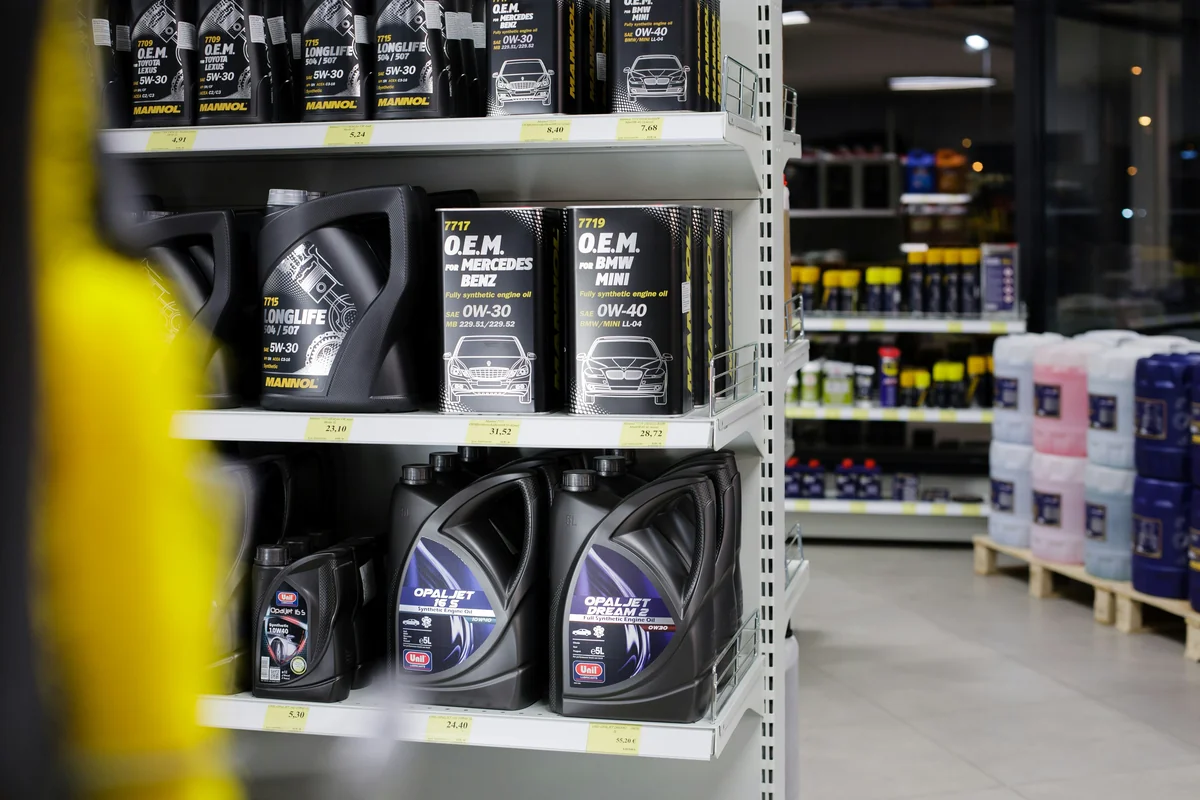
In many cases, yes. Full synthetic generally offers better oxidation resistance, cold-flow performance, and high-temperature stability. That is why many drivers prefer the best synthetic oil for high mileage engines in a full synthetic formula rather than a blend, especially for demanding driving conditions.
Can high-mileage synthetic oil stop oil leaks?
It can help reduce minor seepage by conditioning aging seals, but it will not fix serious mechanical damage. The best synthetic oil for high mileage engines may slow small leaks, yet torn gaskets, cracked components, or severe seal failure usually require repair.
Should I use thicker oil in a high-mileage engine?
Not automatically. Always start with the manufacturer’s recommended viscosity. The best synthetic oil for high mileage engines is the one that meets the vehicle’s specifications and matches your climate and engine condition. Changing thickness without guidance can reduce efficiency or affect lubrication.
How often should I change synthetic oil in a high-mileage car?
It depends on the engine, oil type, and driving conditions. Even with the best synthetic oil for high mileage engines, older vehicles often benefit from conservative intervals, especially if they see severe service or consume oil between changes.
Can I switch to synthetic oil if my old car has always used conventional oil?
Yes, in most cases you can. Modern formulations are generally compatible with engines that previously used conventional oil. Choosing the best synthetic oil for high mileage engines can provide stronger cleaning and better protection, though existing leaks may become more noticeable if seals are already worn.
Conclusion
Choosing the best synthetic oil for high mileage engines is one of the smartest ways to support an aging vehicle without major upgrades or expensive modifications. The right oil can help reduce wear, fight sludge, condition aging seals, improve temperature stability, and maintain smoother performance over time. The key is to match the product to your owner’s manual requirements, mileage level, climate, and driving habits rather than relying on generic claims alone.
For most drivers, the best synthetic oil for high mileage engines will be a full synthetic high-mileage formula with the correct viscosity, strong detergent performance, seal-conditioning additives, and recognized industry approvals. Pair it with a quality filter, monitor oil level regularly, and follow a sensible change interval. With the right product and consistent maintenance, a high-mileage engine can remain reliable, efficient, and well protected for many more miles.