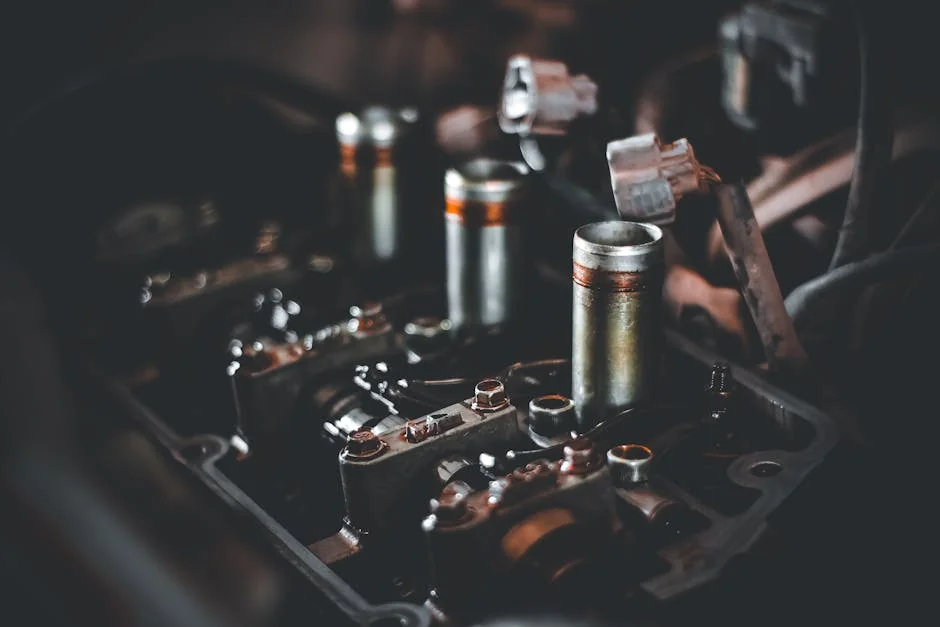
A head gasket is one of the most important seals in any internal combustion engine. It sits between the engine block and the cylinder head, keeping combustion pressure, coolant, and oil in their proper passages. When it begins to fail, the results can range from mild drivability issues to total engine damage. Knowing the it early can help you avoid a costly repair bill, reduce the risk of overheating, and prevent catastrophic engine failure.
Table of Contents
- What a head gasket does and why it fails
- Common symptoms you should never ignore
- Engine overheating
- White exhaust smoke
- Unexplained coolant loss
- Milky oil
- Rough idle and misfires
- Less obvious signs and related warning clues
- Bubbles in the radiator or coolant reservoir
- Poor heater performance
- Pressure in cooling hoses
- Fouled spark plugs
- Check engine light
- How to diagnose the problem correctly
- Cooling system pressure test
- Combustion leak test
- Compression test
- Leak-down test
- Oil and coolant inspection
- What happens if you keep driving and how to prevent bigger damage
- When to stop driving immediately
- Typical repair approach
- Prevention tips
- FAQ
- What are the first signs of a failing head gasket?
- Can you drive with signs of a failing head gasket?
- Does white smoke always mean a bad head gasket?
- Can a bad thermostat mimic signs of a failing head gasket?
- How much does it cost to fix a head gasket?
- What color is the oil with a blown head gasket?
- Conclusion
Many drivers ignore the first symptoms because they seem minor at first. A little white smoke, unexplained coolant loss, or a rough idle may not feel urgent. However, those small clues often point to a growing problem. In this guide, you’ll learn the most common this, what causes them, how to confirm the issue, and when to act before the damage gets worse.
What a head gasket does and why it fails
To understand the these, it helps to know what this part actually does. The head gasket seals the mating surface between the engine block and cylinder head. Its job is to keep three critical systems separated while also maintaining compression inside the cylinders:
– Combustion gases
– Engine coolant
– Engine oil
When the gasket is intact, the engine runs efficiently. When it weakens or cracks, these systems can start mixing or leaking. That is where serious problems begin.
Common causes of head gasket failure include:
– Engine overheating
– Repeated thermal stress
– Poor cooling system maintenance
– Low coolant levels
– A warped cylinder head
– Improper engine assembly or torque specs
– Age and high mileage
Overheating is the most common trigger. Excessive heat can warp the cylinder head, crush weak points in the gasket, and create gaps that allow gases or fluids to escape. In many cases, the they begin shortly after an overheating event, even if the car seems to recover at first.
Some engines are also more prone to gasket issues due to design weaknesses, thin head bolts, or cooling system inefficiencies. If your vehicle has a history of overheating or frequent coolant loss, paying attention to early warning symptoms is essential.
Common symptoms you should never ignore
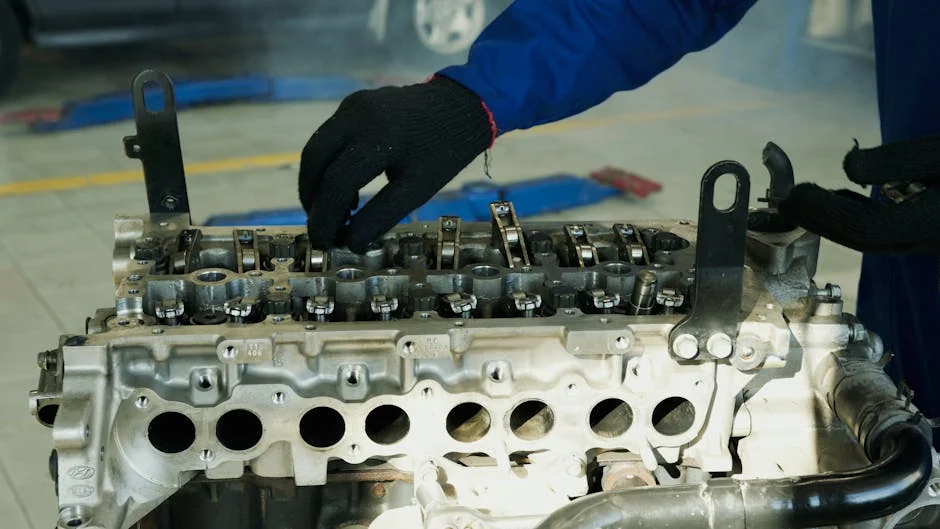
The most recognizable the concept often show up in a few clear ways. Some are visible immediately, while others develop slowly over time. Spotting more than one symptom at once is a strong reason to have the vehicle inspected.
Engine overheating
One of the leading the approach is persistent overheating. If combustion gases leak into the cooling system, they can create pressure pockets that reduce coolant circulation. This makes it harder for the engine to regulate temperature.
You may notice:
– The temperature gauge climbing higher than normal
– The engine overheating at idle or in traffic
– Heat spikes after acceleration
– Coolant bubbling in the reservoir
Overheating can both cause and result from head gasket damage, which creates a dangerous cycle.
White exhaust smoke
Thick white smoke from the tailpipe is another classic clue. This happens when coolant enters the combustion chamber and burns with the air-fuel mixture. A small amount of condensation on a cold morning is normal, but continuous dense white smoke is not.
If you see sweet-smelling white exhaust after the engine warms up, it may be one of the strongest it.
Unexplained coolant loss
If your coolant level keeps dropping but you cannot find an external leak, internal leakage may be the problem. Coolant can escape into the cylinders, oil passages, or combustion chambers.
Watch for:
– Frequent need to top off coolant
– Overflow reservoir emptying unexpectedly
– No visible puddles under the car
Among the more subtle this, this one is often missed until overheating starts.
Milky oil
When coolant mixes with engine oil, it can create a creamy, milky substance that looks like chocolate milk. Check the oil dipstick and underside of the oil cap. This contamination reduces lubrication and can quickly damage bearings and internal engine components.
Not every failed gasket causes oil and coolant to mix, but when it happens, it is one of the most serious these.
Rough idle and misfires
A leaking head gasket can reduce cylinder compression or allow coolant to enter one or more cylinders. That can lead to:
– Rough idling
– Hard starting
– Misfire codes
– Loss of power
– Hesitation during acceleration
These drivability problems may come and go at first, which makes them easy to misdiagnose. But together with coolant loss or smoke, they often point to the same root issue.
Less obvious signs and related warning clues

Not all they are dramatic. Some show up as secondary symptoms that mimic other engine or cooling system issues. This is why a thorough diagnosis matters.
Bubbles in the radiator or coolant reservoir
If combustion gases leak into the cooling system, you may see bubbles in the radiator neck or overflow tank. This can happen shortly after startup, especially before the engine reaches full temperature.
In many cases, bubbling coolant is one of the overlooked the concept because drivers assume it is just normal circulation. Persistent bubbling, especially combined with overheating, deserves immediate attention.
Poor heater performance
A failing gasket can introduce air or exhaust gases into the cooling system, disrupting coolant flow through the heater core. As a result, the cabin heater may blow cold air even when the engine is hot.
This symptom alone does not confirm the problem, but it can appear alongside other the approach.
Pressure in cooling hoses
A head gasket leak can cause the upper radiator hose to become rock hard soon after starting the engine. That happens because combustion pressure enters the cooling system much faster than normal heat expansion would.
If hoses become overly pressurized early in the drive cycle, technicians often consider it one of the practical it.
Fouled spark plugs
Coolant entering a cylinder can clean that cylinder unusually well or leave deposits on the spark plug. During inspection, one plug may look very different from the others. A steam-cleaned plug can indicate coolant intrusion.
Check engine light
Modern vehicles may trigger the check engine light due to misfires, oxygen sensor irregularities, or combustion inefficiencies linked to a gasket leak. While a warning light alone is not enough for diagnosis, it can support other this.
How to diagnose the problem correctly
Because several engine problems can look similar, proper testing is important. The signs of a failing head gasket should be confirmed before major repair work begins.
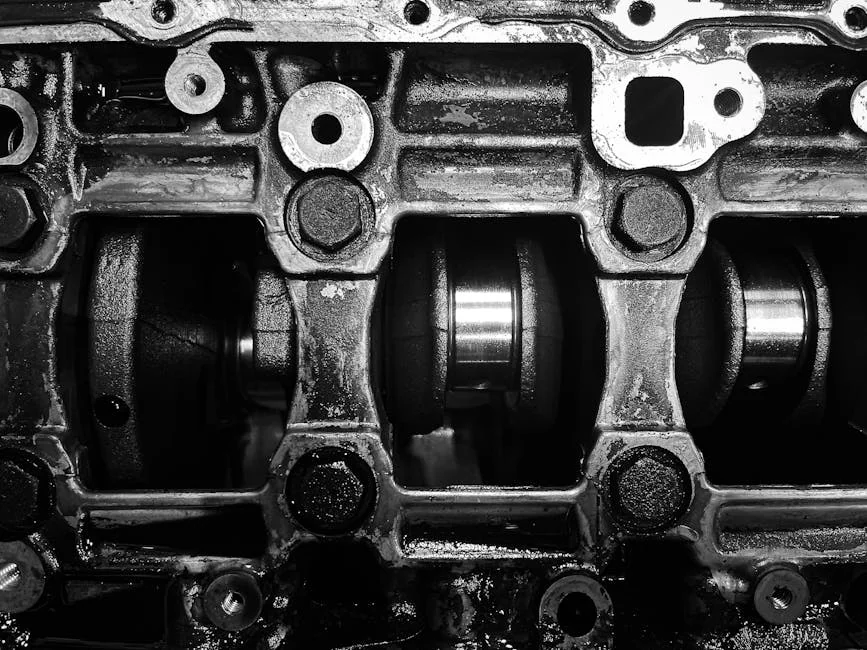
Cooling system pressure test
A pressure test helps identify whether the cooling system is losing pressure and where the leak may be occurring. If pressure drops without an external leak, an internal leak becomes more likely.
Combustion leak test
Also called a block test, this procedure checks for exhaust gases in the coolant. A chemical tester changes color when combustion gases are present. This is one of the most effective ways to confirm the signs of a failing head gasket.
Compression test
A compression test measures pressure in each cylinder. Low compression in adjacent cylinders can indicate a gasket failure between them. This test is useful when the engine runs rough or misfires.
Leak-down test
A leak-down test adds compressed air to each cylinder and checks where the air escapes. If bubbles appear in the radiator during the test, it strongly suggests a sealing problem between the combustion chamber and cooling system.
Oil and coolant inspection
Technicians also inspect:
– Coolant for oil contamination
– Oil for coolant contamination
– Spark plugs for unusual deposits
– Exhaust for moisture and odor
– The cooling system for overpressure
The more signs of a failing head gasket that appear together, the more confident the diagnosis becomes.
What happens if you keep driving and how to prevent bigger damage
Ignoring the signs of a failing head gasket can turn a repairable issue into a full engine replacement. Even a small leak can escalate quickly under pressure and heat.
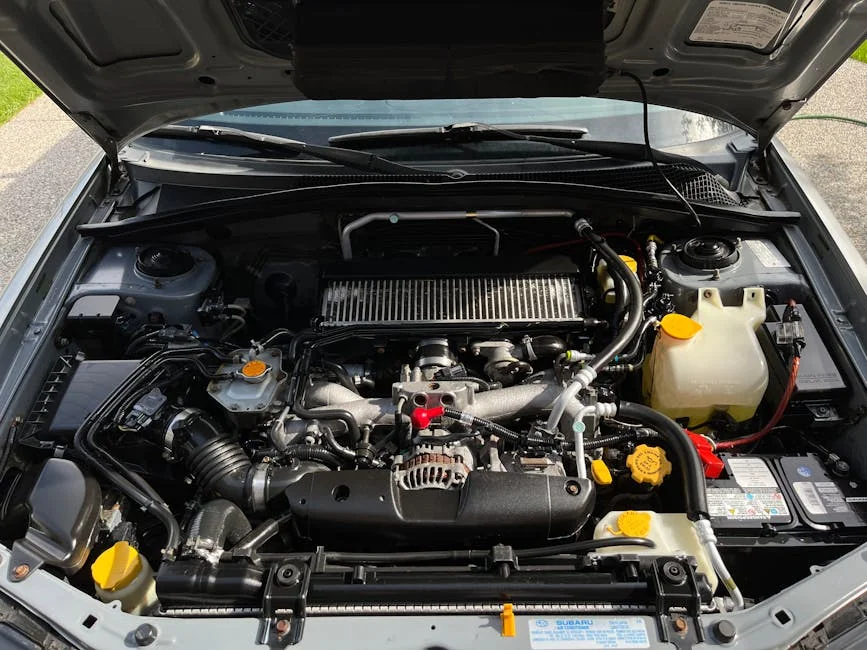
Possible consequences include:
– Severe overheating
– Warped cylinder head
– Cracked engine block
– Bearing failure from contaminated oil
– Catalytic converter damage
– Complete engine failure
If you suspect the issue, avoid long trips and heavy loads. Continuing to drive may save time today but cost thousands tomorrow.
When to stop driving immediately
Pull over and shut off the engine if you notice:
– Rapid overheating
– Thick white smoke
– Coolant spraying or boiling over
– Engine knocking
– Severe loss of power
These can indicate advanced signs of a failing head gasket and ongoing internal damage.
Typical repair approach
Repair usually involves removing the cylinder head, checking for warping or cracks, replacing the head gasket, and installing new head bolts if required. Machine work may be needed to resurface the head. In severe cases, additional parts such as the thermostat, water pump, radiator, or hoses may also need replacement.
Costs vary based on engine design, labor rates, and the extent of the damage. On some vehicles, the repair is expensive because of labor-intensive disassembly rather than the gasket itself.
Prevention tips
While not all failures can be prevented, good maintenance reduces the risk:
– Keep coolant at the proper level
– Use the correct coolant type
– Replace old coolant on schedule
– Fix leaks promptly
– Watch the temperature gauge
– Replace a faulty thermostat or radiator fan quickly
– Never ignore overheating
Prevention matters because the earliest signs of a failing head gasket often start with a cooling system problem that went unresolved.
FAQ
What are the first signs of a failing head gasket?
The first signs of a failing head gasket often include unexplained coolant loss, occasional overheating, white exhaust smoke, rough idling, or bubbles in the coolant reservoir. Early symptoms may be mild, but they usually worsen over time.
Can you drive with signs of a failing head gasket?
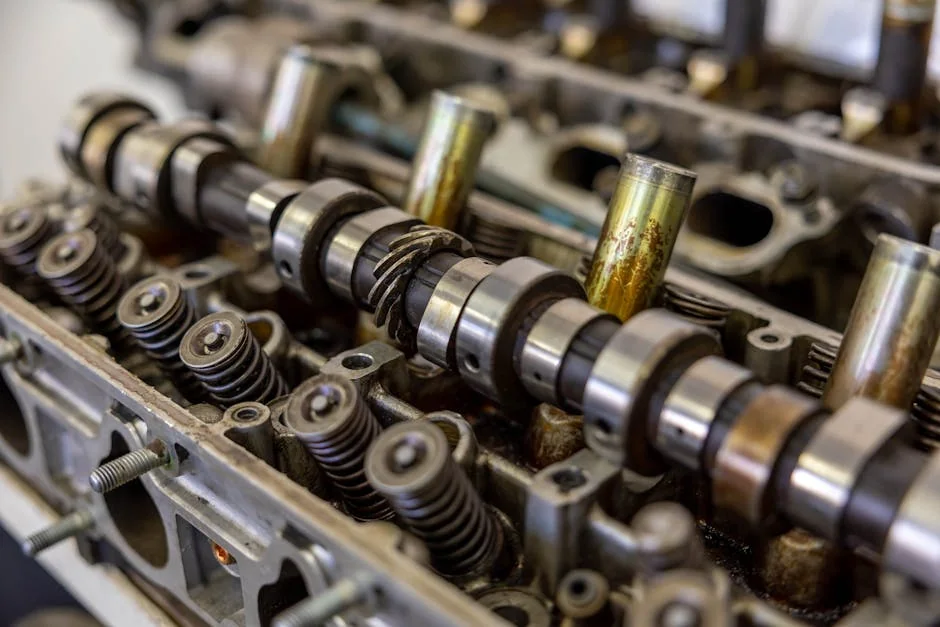
Driving with signs of a failing head gasket is risky. A small leak can quickly become a major failure, causing overheating, oil contamination, and engine damage. If symptoms are clear, it is best to limit driving and get the vehicle inspected immediately.
Does white smoke always mean a bad head gasket?
No, but white smoke is one of the most common signs of a failing head gasket when it is thick, persistent, and sweet-smelling after the engine has warmed up. Condensation on cold startup is normal, so diagnosis should include other symptoms too.
Can a bad thermostat mimic signs of a failing head gasket?
Yes. A bad thermostat, radiator issue, or cooling fan problem can cause overheating and may resemble some signs of a failing head gasket. That is why tests such as a block test, compression test, or leak-down test are important.
How much does it cost to fix a head gasket?
The cost varies widely depending on the vehicle and engine type. Because labor is extensive, repair bills can range from moderate to very expensive. If the signs of a failing head gasket are ignored and the engine warps or cracks, the cost rises significantly.
What color is the oil with a blown head gasket?
Oil affected by coolant contamination may appear milky, creamy, or frothy. This is one of the more severe signs of a failing head gasket because it means lubrication is compromised and engine wear can accelerate quickly.
Conclusion
Recognizing the signs of a failing head gasket early can save you from major engine damage, breakdowns, and high repair costs. The most common red flags include overheating, white exhaust smoke, coolant loss, milky oil, bubbling coolant, and rough engine performance. Some symptoms are obvious, while others are easy to dismiss until the problem becomes severe.
If you notice several signs of a failing head gasket at the same time, do not wait. A proper diagnostic test can confirm the issue and help you decide on the safest next step. Acting early is almost always cheaper than replacing an engine, and careful cooling system maintenance remains the best defense against future gasket failure.