Introduction
If you are researching it, you are probably trying to decide how far to modify your vehicle and whether the gains are worth the extra cost, parts, and maintenance. Tuning can transform how a car feels, from sharper throttle response to stronger mid-range torque and higher peak horsepower. But the jump from one tuning stage to another is not just about bigger numbers on a dyno sheet. It often involves hardware upgrades, fuel requirements, emissions considerations, reliability trade-offs, and a different overall driving experience.
Table of Contents
- Introduction
- What Stage 1 Tuning Usually Includes
- Common characteristics of Stage 1 tunes
- Expected power gains
- Costs and practicality
- What Stage 2 Tuning Usually Includes
- Common characteristics of Stage 2 tunes
- Why hardware matters
- Cost implications
- Performance, Reliability, and Daily Driving
- Power delivery
- Reliability considerations
- Daily drivability
- Cost, Emissions, and Which Tune Is Right for You
- Cost comparison
- Emissions and legal issues
- Who should choose Stage 1
- Who should choose Stage 2
- FAQ
- What are the main stage 1 vs stage 2 tune differences?
- Is Stage 2 always faster than Stage 1?
- Are stage 1 vs stage 2 tune differences noticeable in daily driving?
- Which is safer for reliability: Stage 1 or Stage 2?
- Do stage 1 vs stage 2 tune differences affect warranty coverage?
- Can I skip Stage 1 and go straight to Stage 2?
- Conclusion
Understanding this helps you make a smarter choice based on your goals. Whether you want a daily driver with mild gains or a more aggressive setup for spirited driving, knowing what each stage includes is essential before spending money.
What Stage 1 Tuning Usually Includes
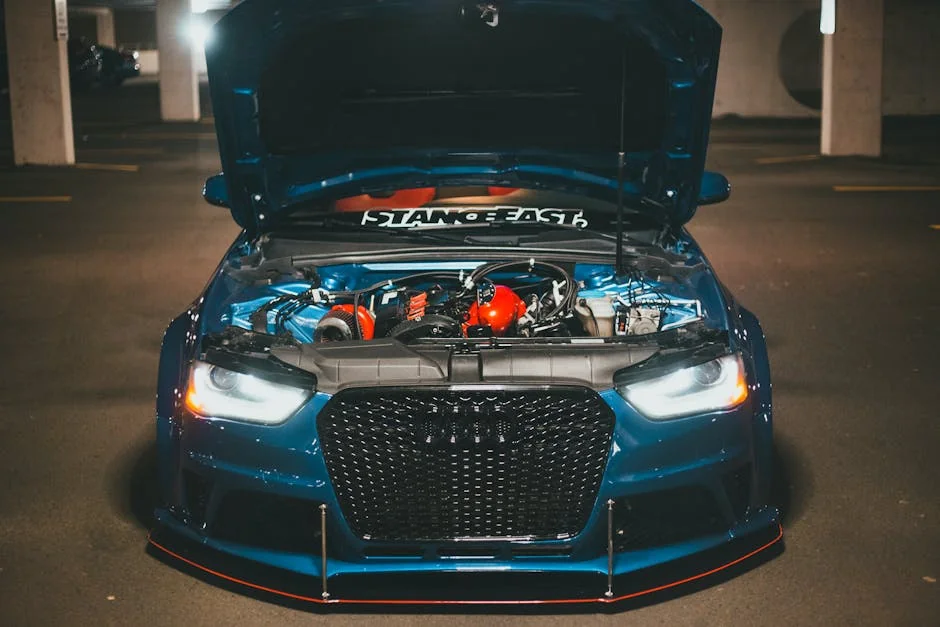
When discussing these, it is important to start with what Stage 1 actually means. In most cases, a Stage 1 tune is a software recalibration designed for a largely stock vehicle. The tuner adjusts parameters such as boost pressure, ignition timing, air-fuel ratios, throttle mapping, and torque limits to unlock performance that the manufacturer left on the table.
For many turbocharged vehicles, Stage 1 is the most popular entry point into tuning because it typically requires no major hardware changes. Some tuners may recommend a high-flow panel air filter, better spark plugs, or premium fuel, but the vehicle often retains its factory downpipe, intercooler, intake, and exhaust system.
Common characteristics of Stage 1 tunes
– Designed for stock or near-stock hardware
– Focuses primarily on ECU or ECU/TCU software changes
– Delivers noticeable gains in horsepower and torque
– Improves throttle response and drivability
– Usually keeps installation simple and cost relatively low
One of the biggest benefits in they is that Stage 1 tends to preserve everyday usability. Many drivers report that the car feels stronger and more responsive without becoming dramatically harsher or more temperamental. That makes it ideal for commuters and enthusiasts who want performance without turning the car into a project.
Expected power gains
Power increases vary by engine type. A naturally aspirated engine may see modest gains, while a turbocharged engine can respond very well. Depending on the platform, a Stage 1 tune might add anywhere from 20 to 80 horsepower, with even larger torque increases on boosted engines. The exact result depends on fuel quality, ambient conditions, engine health, and tuning quality.
Costs and practicality
Stage 1 is generally the most affordable path into tuning. Since hardware changes are minimal or optional, the main expense is the tune itself. This keeps labor costs down and reduces the complexity of installation. In the context of the concept, Stage 1 is usually the better value for drivers who want the best gains per dollar.
What Stage 2 Tuning Usually Includes

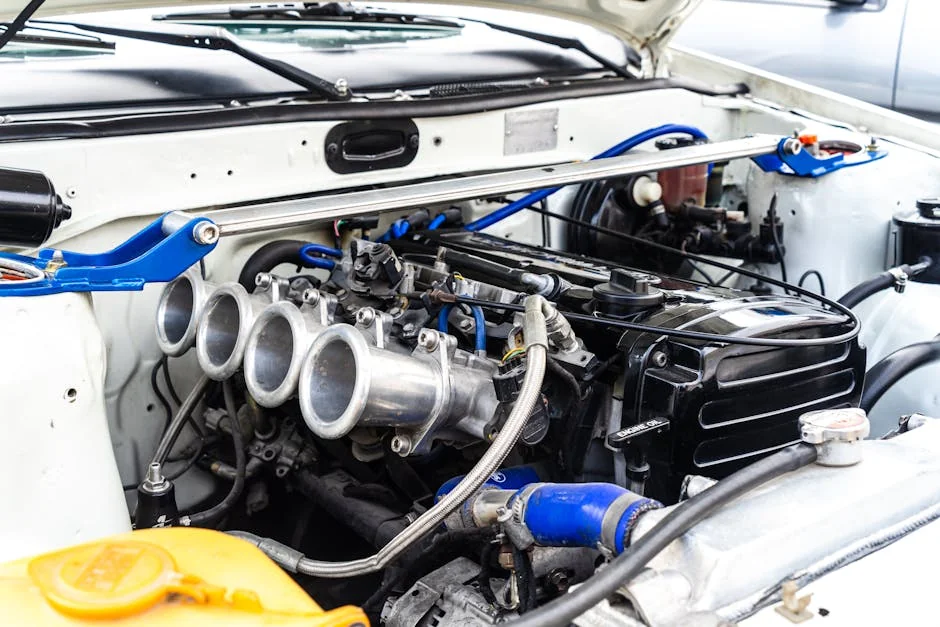
To fully understand the approach, you also need to know that Stage 2 tuning usually builds on Stage 1 software but adds specific supporting hardware. The exact requirements vary by platform and tuner, but Stage 2 often assumes improved airflow and exhaust flow so the engine can safely make more power.
The most common Stage 2 requirement on turbocharged vehicles is an upgraded downpipe, often paired with a freer-flowing intake, upgraded intercooler, charge pipes, cat-back exhaust, or stronger clutch. The software is then calibrated to take advantage of these hardware changes.
Common characteristics of Stage 2 tunes
– Requires supporting modifications
– Raises performance targets beyond Stage 1
– Produces more aggressive boost and torque delivery
– Often increases heat and stress on components
– May impact emissions compliance and warranty coverage
In many conversations about it, the real dividing line is not just the tune file itself but the supporting parts. Hardware allows the engine to breathe better and manage increased thermal loads, which is why Stage 2 can offer stronger and more sustained performance.
Why hardware matters
A stock exhaust restriction, especially the downpipe on a turbo car, can limit how efficiently the turbocharger moves gases. By reducing backpressure, Stage 2 hardware can help the turbo spool more effectively and support higher boost targets. An upgraded intercooler can also reduce intake temperatures, improving consistency and lowering the risk of power loss from heat soak.
Cost implications
Stage 2 is significantly more expensive than Stage 1 because you are paying for both software and parts. Depending on the car, this could include:
– Tune upgrade cost
– Downpipe
– Intake system
– Intercooler
– Clutch or transmission support
– Labor for installation
As a result, this often come down to budget as much as performance goals. The jump in cost can be substantial, even if the additional power is very appealing.
Performance, Reliability, and Daily Driving
A major reason people compare these is to decide how each option affects reliability and real-world use. More power is exciting, but it usually comes with trade-offs. The best tuning choice is not always the most aggressive one.

Power delivery
Stage 1 generally provides a smoother, more factory-like increase in power. It can feel refined while still making the car noticeably quicker. Stage 2 often adds a stronger hit of torque, faster spool, and more top-end pull, especially on turbocharged platforms. For enthusiastic driving, Stage 2 can feel much more dramatic.
That said, the difference in they is not always night and day on every platform. Some cars respond very strongly to Stage 1 alone, while others need Stage 2 hardware to unlock truly impressive numbers.
Reliability considerations
Any tune can increase stress on the engine, turbocharger, transmission, cooling system, and driveline. Stage 1 usually carries lower risk because it is less demanding and closer to factory operating limits. Stage 2 raises the stakes by increasing thermal load and mechanical stress.
Key reliability factors include:
– Quality of the tune
– Condition of the vehicle before tuning
– Fuel quality
– Maintenance schedule
– Driving habits
– Supporting hardware quality
When evaluating stage 1 vs stage 2 tune differences, remember that reliability is not only about peak horsepower. A conservative, professionally developed Stage 2 setup can be more dependable than a poorly written Stage 1 tune. Tuning quality matters as much as stage level.
Daily drivability
For daily drivers, Stage 1 often strikes the best balance. It preserves comfort, fuel economy can remain reasonable under light throttle, and the car is less likely to feel overly aggressive in traffic. Stage 2 may introduce more noise, stronger odors if emissions components are changed, and a rougher overall experience depending on the parts installed.
This is one of the most practical aspects of stage 1 vs stage 2 tune differences. If you drive long distances, deal with stop-and-go traffic, or need maximum dependability, Stage 1 may suit your lifestyle better. If your goal is weekend fun and stronger performance, Stage 2 becomes more attractive.
Cost, Emissions, and Which Tune Is Right for You
Looking at stage 1 vs stage 2 tune differences from a buying perspective means balancing performance with legal, financial, and ownership realities. More power may sound great, but not every setup makes sense for every driver.
Cost comparison
Here is a simple way to think about overall cost:
| Factor | Stage 1 | Stage 2 |
|—|—|—|
| Tune price | Lower | Higher |
| Hardware required | Minimal | Significant |
| Labor cost | Low | Moderate to high |
| Maintenance demands | Lower | Higher |
| Total ownership cost | More affordable | More expensive |
For many owners, the practical answer in stage 1 vs stage 2 tune differences is that Stage 1 gives the best return on investment. You get a more engaging car without the larger financial commitment of hardware, labor, and possible upgrades to supporting systems.
Emissions and legal issues
This topic is often overlooked. Some Stage 2 setups involve parts that may not be legal for road use in certain regions, particularly if catalytic converter changes are involved. Emissions testing can become an issue, and check engine lights may appear if the setup is not fully compliant.
Before choosing based on stage 1 vs stage 2 tune differences, check your local laws, inspection rules, and emissions requirements. A tune that works well mechanically may still create legal headaches if it violates regulations.
Who should choose Stage 1
Stage 1 may be the better option if you:
– Want noticeable power gains with fewer modifications
– Need a comfortable and reliable daily driver
– Prefer lower cost and easier installation
– Want less risk to emissions compliance
– Are new to performance tuning
Who should choose Stage 2
Stage 2 may be the better option if you:
– Want stronger performance than software alone can provide
– Are comfortable installing supporting hardware
– Accept higher cost and maintenance demands
– Use the car for spirited driving or track-oriented fun
– Understand the legal and warranty implications
Ultimately, stage 1 vs stage 2 tune differences are about priorities. There is no universal best choice. The right answer depends on your car, budget, local laws, and how you actually drive.
FAQ
What are the main stage 1 vs stage 2 tune differences?
The main stage 1 vs stage 2 tune differences are hardware requirements, power potential, cost, and overall stress on the vehicle. Stage 1 usually works with stock hardware and focuses on software optimization, while Stage 2 typically requires upgrades such as a downpipe, intake, or intercooler to support more aggressive tuning.

Is Stage 2 always faster than Stage 1?
In most cases, yes, but stage 1 vs stage 2 tune differences depend on the vehicle platform and tune quality. A properly set up Stage 2 car usually makes more power and torque than Stage 1, especially on turbocharged engines. However, poor parts selection or bad tuning can reduce the expected advantage.
Are stage 1 vs stage 2 tune differences noticeable in daily driving?
Yes, stage 1 vs stage 2 tune differences are often noticeable. Stage 1 usually feels smoother and more refined, while Stage 2 may feel more aggressive with quicker spool, stronger torque, and more urgency. The difference is most obvious during hard acceleration rather than relaxed commuting.
Which is safer for reliability: Stage 1 or Stage 2?
When comparing stage 1 vs stage 2 tune differences, Stage 1 is generally safer for reliability because it places less stress on the engine and supporting systems. Stage 2 can still be reliable if the vehicle is well maintained and tuned correctly, but it usually carries greater mechanical and thermal demands.
Do stage 1 vs stage 2 tune differences affect warranty coverage?
Yes, stage 1 vs stage 2 tune differences can affect warranty coverage because both stages may be detected by manufacturers or dealerships. Stage 2 often carries greater warranty risk due to visible hardware changes in addition to the software tune.
Can I skip Stage 1 and go straight to Stage 2?
Some owners do, and stage 1 vs stage 2 tune differences do not always require a step-by-step path. If your budget, goals, and hardware plan already align with Stage 2, you may choose it directly. Just make sure the car is healthy and the required supporting modifications are installed first.
Conclusion
When it comes to stage 1 vs stage 2 tune differences, the smartest choice is the one that fits your needs rather than the one with the biggest headline number. Stage 1 is usually the best entry point because it is affordable, simple, and highly effective for daily-driven vehicles. Stage 2 offers greater performance, but it also brings more cost, more complexity, and more responsibility.
If you want a balanced setup with strong value, Stage 1 is often enough. If you are chasing maximum performance from your current platform and are willing to add the necessary hardware, Stage 2 may be worth it. By understanding stage 1 vs stage 2 tune differences, you can choose a tuning path that delivers the right mix of power, reliability, and practicality for your car.