Cold air intake systems are one of the most popular aftermarket upgrades for drivers who want better engine response, improved airflow, and a more engaging driving experience. Understanding the it can help car owners decide whether this modification is worth the investment. By replacing restrictive factory intake components with a design that draws in cooler, denser air, these systems can support combustion efficiency and improve performance under the right conditions.
Table of Contents
- How Cold Air Intake Systems Work
- Performance Gains and Driving Experience
- Fuel Efficiency, Engine Health, and Daily Use
- Potential Drawbacks and What to Consider Before Buying
- Choosing the Right System for Your Vehicle
- FAQ
- Do cold air intake systems really increase horsepower?
- Are cold air intake systems worth it for daily drivers?
- Can a cold air intake improve fuel economy?
- Do cold air intake systems damage engines?
- Is tuning required after installing a cold air intake?
- Conclusion
Many enthusiasts choose this upgrade not only for possible horsepower gains but also for improved throttle feel and a more aggressive engine sound. Still, results vary depending on the vehicle, installation quality, and tuning setup. In this guide, we will break down the this, explain how they work, discuss potential drawbacks, and help you determine whether this upgrade makes sense for your car or truck.
How Cold Air Intake Systems Work
To understand the these, it helps to first look at how an engine breathes. Internal combustion engines require a precise mix of air and fuel to create power. Factory air intake systems are designed to balance cost, noise reduction, emissions compliance, and reliability. While they usually perform well for everyday driving, they may also restrict airflow more than necessary.
A cold air intake system replaces the stock intake tube, airbox, and sometimes the air filter with components designed to reduce restriction and pull in cooler outside air. Cooler air is denser than warm air, which means it contains more oxygen per volume. More oxygen can support more efficient combustion, especially when paired with proper fuel delivery.
One of the key they is improved airflow. Smoother intake tubing and high-flow filters can help the engine draw air more easily, reducing the workload associated with breathing. In some vehicles, this can result in modest gains in horsepower and torque. In turbocharged applications, freer airflow may also support better spool characteristics, though gains are often more noticeable when combined with other modifications.
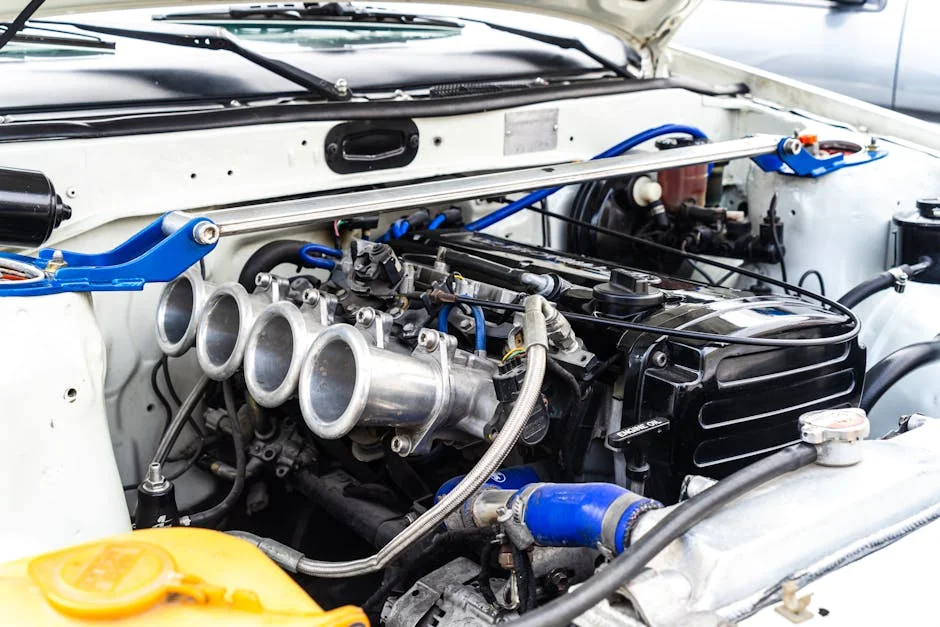
Another important factor is intake placement. A true cold air intake usually routes the filter away from the hot engine bay and closer to a source of cooler ambient air. This differs from short ram intakes, which may still improve airflow but often pull in warmer air from under the hood. Because of this design difference, the actual the concept depend heavily on the specific product and the vehicle platform.
Modern vehicles use sensors such as the mass airflow sensor or intake air temperature sensor to help the engine control unit calculate fuel delivery. A well-designed intake system must preserve proper sensor function. If poorly engineered, an intake can disrupt airflow readings and reduce the expected performance improvements. That is why choosing a quality brand and ensuring correct installation are essential.
Performance Gains and Driving Experience
When most people research the the approach, performance is usually the first thing they want to know about. While aftermarket advertising can sometimes overstate the results, there are legitimate reasons drivers notice improvements after installing a quality intake.
The most discussed gain is horsepower. Because cooler, denser air improves combustion potential, and because less restrictive tubing can help the engine inhale more efficiently, some vehicles see measurable power increases. These gains are often modest on otherwise stock naturally aspirated engines, typically in the single digits to low double digits. However, even small increases can make a difference in how responsive the vehicle feels.
Throttle response is another major advantage. One of the real-world it is that the engine may react more quickly when you press the accelerator. Reduced restriction can help the intake path feel more immediate, especially in vehicles where the stock setup is conservative. Drivers often describe the result as smoother acceleration and a more eager engine.
Sound also plays a surprisingly big role in overall driving enjoyment. Cold air intakes often create a deeper intake tone, more noticeable induction noise, and, in turbo vehicles, louder spool and blow-off sounds. For enthusiasts, this is one of the most enjoyable this because it makes the vehicle feel more alive without changing the exhaust.
Performance improvements may be more noticeable when the intake is part of a broader upgrade strategy. Pairing an intake with an exhaust system, ECU tune, or upgraded throttle body can help maximize airflow and make the modifications work together. In that context, the these can become more meaningful than when the intake is installed alone.
That said, expectations should remain realistic. Not every driver will feel a dramatic transformation. On some modern vehicles, factory intakes are already efficient, and the ECU may compensate for airflow changes in ways that limit gains. Environmental conditions such as outside temperature and humidity also affect results. The best approach is to view an intake as a supporting performance upgrade rather than a miracle modification.
Fuel Efficiency, Engine Health, and Daily Use
Beyond performance, many drivers are interested in the they for everyday practicality. Fuel economy is one of the most commonly cited areas. In theory, a more efficient airflow path can help the engine operate with less effort, which may slightly improve miles per gallon under steady driving conditions.
However, fuel economy gains depend heavily on driving habits. If a driver installs a cold air intake and then accelerates harder to enjoy the new sound and throttle feel, any efficiency improvement may disappear. Still, under moderate driving, one of the possible the concept is a small improvement in engine efficiency.
Engine cleanliness and filtration are also worth discussing. A quality intake system should use a well-made filter that balances airflow and protection. The best systems keep harmful debris out while still supporting better breathing. If filtration quality is poor, the risks may outweigh the rewards. This is why premium products matter. Properly maintained, the benefits of cold air intake systems can include reliable airflow without sacrificing engine safety.
Maintenance is generally straightforward. Many cold air intakes use reusable filters that can be cleaned and re-oiled or washed depending on the design. This can reduce long-term replacement costs compared to disposable paper filters. For drivers who plan to keep their vehicle for many years, this is one of the practical benefits of cold air intake systems that often gets overlooked.
Daily drivability is usually unaffected when the system is designed correctly. In many cases, the vehicle starts, idles, and cruises just like stock, but with better sound and slightly improved responsiveness. This makes the upgrade appealing for commuters who want a mild enhancement without compromising comfort. Among the everyday benefits of cold air intake systems, this balance of convenience and enjoyment is a major selling point.
Still, owners should be aware of climate and road conditions. Some low-mounted systems can be vulnerable to water ingestion if driven through deep standing water. In dusty or muddy environments, filter maintenance may also need to be more frequent. Responsible ownership is essential to preserve the long-term advantages.
Potential Drawbacks and What to Consider Before Buying
A balanced discussion of the benefits of cold air intake systems should also include the potential downsides. Although these systems can offer real advantages, not every product on the market delivers equal value. Some low-cost kits are built more for appearance and sound than for true performance.
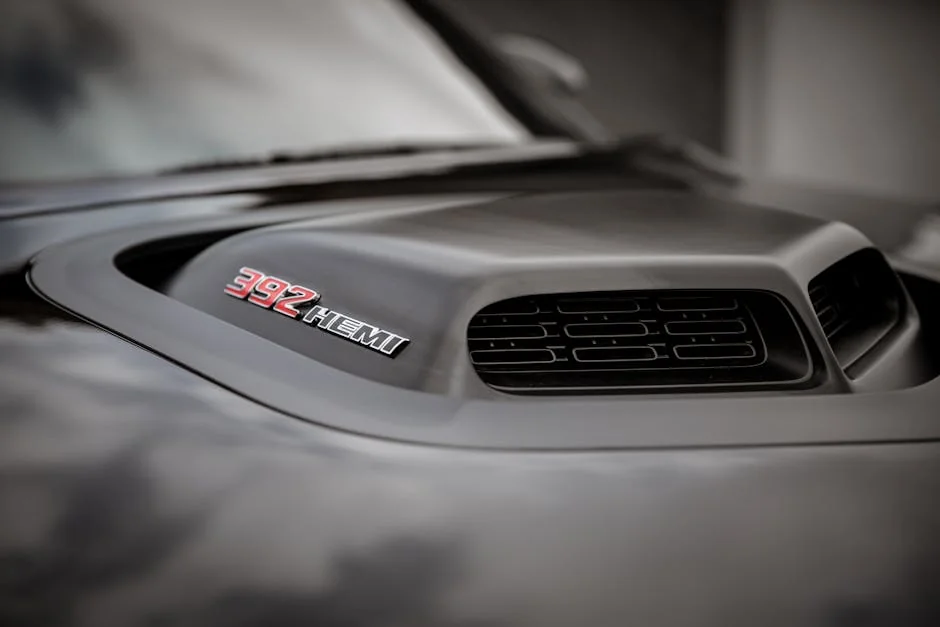
One concern is heat soak. If an intake is not properly shielded and ends up drawing hot air from the engine bay, it may reduce or eliminate some expected gains. In worst-case scenarios, intake temperatures may rise enough that performance suffers compared to the stock setup. This is why understanding the engineering behind the product matters as much as appreciating the benefits of cold air intake systems.
Another issue is sensor compatibility. Vehicles with sensitive airflow metering can experience check engine lights, rough idling, or inconsistent performance if the intake changes airflow patterns around the sensor. High-quality manufacturers design around these requirements, but generic kits may not. Installation mistakes can also create problems that drivers incorrectly blame on the concept itself rather than the product quality.
Warranty and emissions compliance are additional considerations. Some aftermarket intakes are legal only in certain states or regions, especially where emissions laws are stricter. Drivers should verify whether the kit is street legal for their area. While the benefits of cold air intake systems can be appealing, compliance matters just as much if the vehicle is driven on public roads.
Cost is another factor. Depending on the brand and vehicle, a good cold air intake may range from affordable to relatively expensive. If your goal is maximum horsepower per dollar, other modifications or tuning options may offer better value. Still, intakes remain popular because they combine multiple advantages such as sound, style, serviceability, and moderate performance improvement.
Before buying, research dyno-tested systems, read owner reviews for your exact vehicle, and look for products with proven filtration quality. A well-chosen intake can provide a satisfying upgrade, but a poor one can become an expensive disappointment.
Choosing the Right System for Your Vehicle
If you want to maximize the benefits of cold air intake systems, the selection process is critical. The best intake for one vehicle may not be ideal for another, so compatibility and design should guide your decision more than brand hype alone.
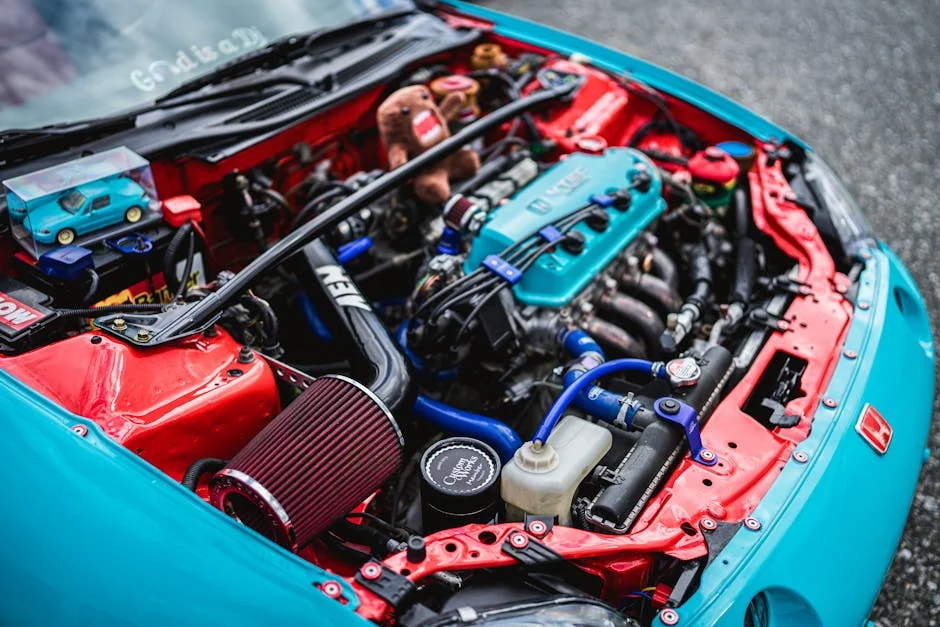
Start by identifying whether you want a true cold air intake or a short ram intake. A true cold air intake usually places the filter farther from engine heat, helping preserve cooler intake temperatures. A short ram design may be easier to install and maintain, but it can pull in warmer air depending on the engine bay layout. Since the core benefits of cold air intake systems rely partly on cooler air density, this distinction is important.
Next, evaluate the filter type. Some filters emphasize maximum airflow, while others prioritize filtration efficiency. Drivers in urban or dusty conditions may prefer stronger filtration even if it sacrifices a small amount of performance. The right balance depends on how the vehicle is used.
Material and construction quality also matter. Intake tubes may be made from plastic, aluminum, or composite materials, each with different heat-transfer characteristics and durability traits. Heat shields, sealed airboxes, and smooth bends all contribute to how effectively the system supports airflow. To fully realize the benefits of cold air intake systems, build quality should never be an afterthought.
Brand reputation can save time and frustration. Reputable manufacturers often provide dyno charts, installation instructions, emissions certifications where applicable, and customer support. These details indicate that the product has been tested rather than simply marketed. If possible, choose a system specifically engineered for your year, make, and model instead of a universal kit.
Finally, consider whether your vehicle will remain stock or receive future modifications. If you plan to add tuning, exhaust upgrades, or forced induction enhancements later, choose an intake that will continue to support those changes. In many builds, the long-term benefits of cold air intake systems are strongest when the intake is part of a coordinated upgrade path.
FAQ
Do cold air intake systems really increase horsepower?
Yes, one of the main benefits of cold air intake systems is the potential for modest horsepower gains. Results vary by vehicle, engine type, and intake design. On stock vehicles, gains are often noticeable but not dramatic.

Are cold air intake systems worth it for daily drivers?
For many owners, the benefits of cold air intake systems make them worthwhile even on daily-driven vehicles. Improved throttle response, reusable filters, and a better engine sound can add value without significantly affecting comfort when the system is properly designed.
Can a cold air intake improve fuel economy?
A possible part of the benefits of cold air intake systems is slightly better fuel efficiency during normal driving. However, gains depend on driving style, vehicle condition, and whether the driver takes advantage of the improved throttle response too often.
Do cold air intake systems damage engines?
When installed correctly and maintained properly, the benefits of cold air intake systems generally do not come at the expense of engine health. Problems are more likely with poor-quality filters, improper installation, or exposure to deep water and harsh contaminants.
Is tuning required after installing a cold air intake?
In many cases, tuning is not required to enjoy some benefits of cold air intake systems. However, certain vehicles respond better with tuning, especially if the intake is combined with other performance modifications. Always follow manufacturer recommendations.
Conclusion
The benefits of cold air intake systems include improved airflow, possible horsepower gains, sharper throttle response, reusable filtration, and a more exciting engine sound. For many drivers, this combination makes the upgrade attractive because it enhances both performance and overall driving enjoyment. While results vary depending on vehicle design and product quality, a well-engineered intake can be a smart addition to the right build.
At the same time, buyers should stay realistic and choose carefully. Not every intake delivers the same results, and factors such as heat shielding, sensor compatibility, filtration quality, and legal compliance all matter. When researched and installed properly, the benefits of cold air intake systems can make this one of the most satisfying entry-level modifications available for cars and trucks alike.