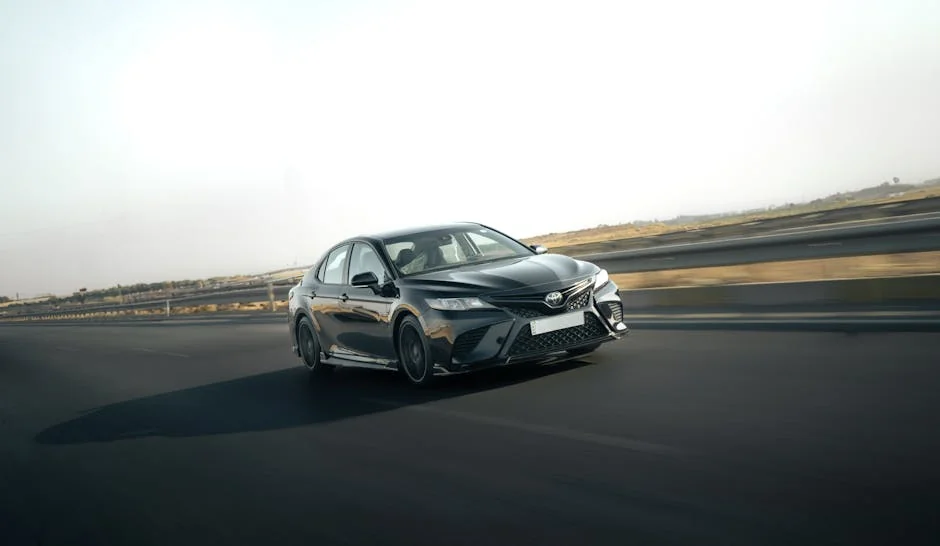
Long daily drives can drain both your energy and your wallet, especially when fuel prices rise and traffic turns a short route into an hour-long crawl. That is why many drivers now prioritize comfort, reliability, and mpg over flashy performance. If you are shopping for a commuter vehicle, choosing from the this can make a major difference in monthly costs and overall driving satisfaction. The right model should balance low fuel consumption with supportive seats, safety technology, cargo space, and a smooth ride. In this guide, we will break down what matters most, compare top vehicle types, and help you identify the it based on real-world needs rather than marketing claims.
Table of Contents
- What Makes the Best Fuel Efficient Cars for Long Commutes?
- 1. Real-world fuel economy
- 2. Seat comfort and cabin ergonomics
- 3. Ride quality and cabin noise
- 4. Safety and driver-assistance features
- 5. Reliability and maintenance costs
- 6. Cargo space and practicality
- Top Vehicle Types to Consider for the Best Fuel Efficient Cars for Long Commutes
- Hybrid sedans
- Compact gasoline sedans
- Hatchbacks
- Small hybrid SUVs
- Best Fuel Efficient Cars for Long Commutes: Top Models to Know
- Toyota Prius
- Toyota Corolla Hybrid
- Honda Civic
- Hyundai Elantra Hybrid
- Kia Niro
- Toyota Camry Hybrid
- Honda Accord Hybrid
- How to Choose the Best Fuel Efficient Cars for Long Commutes for Your Needs
- Consider your commute pattern
- Calculate total monthly cost
- Test seat comfort personally
- Evaluate technology carefully
- Think about weather and road conditions
- Look at used options too
- Ownership Tips for Getting the Most From the Best Fuel Efficient Cars for Long Commutes
- Maintain proper tire pressure
- Drive smoothly
- Keep up with maintenance
- Reduce unnecessary weight
- Use cruise control wisely
- Plan your route
- FAQ: Best Fuel Efficient Cars for Long Commutes
- What are the best fuel efficient cars for long commutes if I drive mostly in traffic?
- Are hybrid cars better than gasoline cars for long commutes?
- Which commuter car is best for comfort and fuel economy?
- Should I buy new or used for a commuter car?
- What features should I prioritize in a commuter vehicle?
- Conclusion
What Makes the Best Fuel Efficient Cars for Long Commutes?
When comparing the these, fuel economy is only one part of the equation. A vehicle can deliver excellent mpg, but if the cabin is noisy, the seats are uncomfortable, or the infotainment system is frustrating, it may still be a poor commuter choice.
Here are the most important factors to consider:
1. Real-world fuel economy
EPA estimates are helpful, but your actual mpg depends on route type, traffic, driving habits, weather, and maintenance. Highway commuters may benefit from efficient gasoline sedans, while stop-and-go drivers often get better results from hybrids.
2. Seat comfort and cabin ergonomics
Long commutes demand supportive front seats, adjustable lumbar support, well-placed controls, and enough legroom. A comfortable driving position reduces fatigue over time.
3. Ride quality and cabin noise
Among the they, the top choices absorb road imperfections well and keep wind and tire noise to a minimum. Quiet cabins make long drives feel shorter.
4. Safety and driver-assistance features
Adaptive cruise control, lane-keeping assist, blind-spot monitoring, automatic emergency braking, and rear cross-traffic alert can make highway commuting safer and less stressful.
5. Reliability and maintenance costs
Fuel savings can disappear if a car requires frequent repairs. Reliability ratings, warranty coverage, and cost of routine service all matter when calculating true ownership costs.
6. Cargo space and practicality
If your commute includes gym bags, work gear, groceries, or child pickup, trunk and cabin space become more important than mpg alone.
In short, the the concept combine economy with livability. A car that saves fuel but creates discomfort every day is not truly efficient in the broader sense.
Top Vehicle Types to Consider for the Best Fuel Efficient Cars for Long Commutes
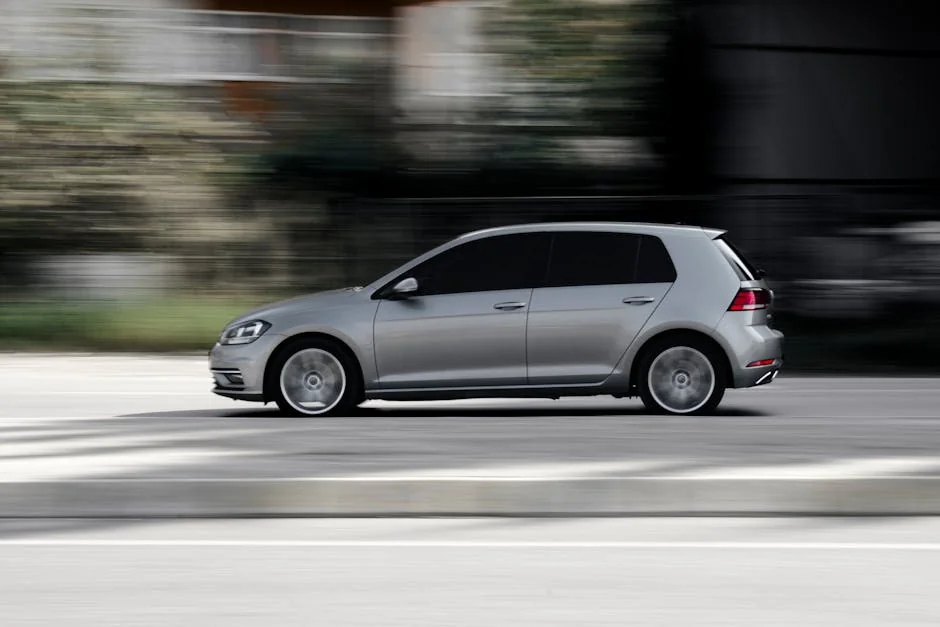
Not every commuter has the same needs. Some drivers travel 20 mostly highway miles each way, while others spend 90 minutes in city traffic. The the approach often fall into a few proven categories.
Hybrid sedans
Hybrid sedans are among the most popular commuter vehicles because they perform exceptionally well in mixed and urban driving. They often deliver strong mpg without requiring charging infrastructure. Models like the Toyota Prius, Toyota Corolla Hybrid, and Hyundai Elantra Hybrid are common recommendations.
Why they work:
– Excellent fuel economy
– Comfortable daily usability
– Lower fuel costs in stop-and-go traffic
– Strong resale value on many models
Compact gasoline sedans
Modern compact sedans are far more efficient than many drivers realize. If your route is mostly highway and you want a lower upfront cost, a gasoline sedan can still rank among the it.
Why they work:
– Lower purchase price than many hybrids
– Good highway mpg
– Simpler ownership for drivers not ready for electrification
– Often lighter and easy to maneuver
Hatchbacks
Hatchbacks appeal to commuters who need flexibility. They can carry more cargo than a traditional sedan while still returning solid fuel economy. This makes them a practical option for work equipment, weekend travel, or urban parking.
Why they work:
– Versatile cargo area
– Compact exterior dimensions
– Efficient engines or hybrid options
– Easy loading for daily errands
Small hybrid SUVs
For drivers who want a higher seating position and all-weather confidence, small hybrid SUVs are increasingly attractive. Some newer models offer excellent mileage while maintaining extra practicality.
Why they work:
– More cargo space
– Easier entry and exit
– Good visibility
– Better family-friendly versatility
The this are not limited to one body style. Your ideal match depends on whether you value mpg first, interior space first, or a balanced mix of both.
Best Fuel Efficient Cars for Long Commutes: Top Models to Know
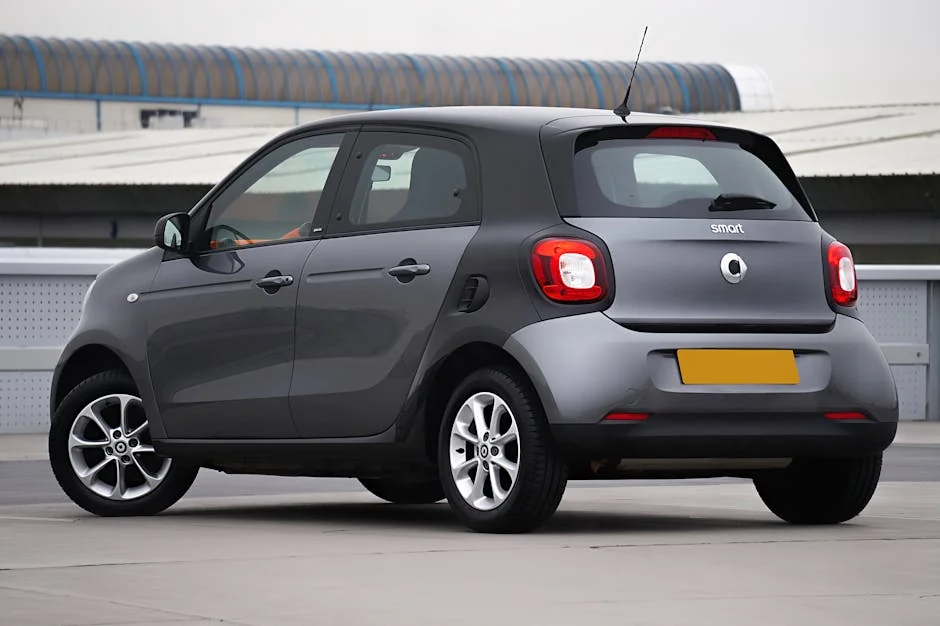
If you want a shortlist of reliable commuter-friendly vehicles, these models consistently stand out. The these usually offer a blend of strong mpg, comfort, safety features, and low running costs.
Toyota Prius
The Prius remains one of the most recognizable commuter cars for a reason. Its hybrid system is engineered for efficiency, and newer versions offer sharper styling, improved power, and more advanced technology than older generations.
Best for:
– Drivers with heavy annual mileage
– Urban and mixed-route commuting
– Buyers focused on long-term fuel savings
Pros:
– Outstanding mpg
– Proven reliability reputation
– Practical hatchback layout
– Good safety tech availability
Potential drawback:
– Some drivers prefer a more traditional sedan feel
Toyota Corolla Hybrid
The Corolla Hybrid is a smart choice for commuters who want Toyota hybrid efficiency in a familiar compact sedan package. It is easy to drive, affordable to own, and comfortable enough for daily trips.
Best for:
– Budget-conscious commuters
– Drivers wanting a straightforward ownership experience
– People who prefer a conservative design
Pros:
– Excellent value
– Strong fuel economy
– Good reliability history
– Manageable size for city and suburban use
Potential drawback:
– Rear seat and trunk space may feel limited for some buyers
Honda Civic
The Honda Civic, especially in efficient trims, continues to rank among the they because it balances fuel savings with a refined driving experience. It also offers impressive interior quality for the class.
Best for:
– Highway commuters
– Drivers who want comfort and responsive handling
– Buyers seeking a polished compact car
Pros:
– Efficient engine choices
– Comfortable ride
– Strong cabin design
– Good resale value
Potential drawback:
– Higher trims can become expensive
Hyundai Elantra Hybrid
The Elantra Hybrid combines standout efficiency with a generous features list. It is often attractive to buyers who want a modern cabin and a long warranty.
Best for:
– Commuters who value technology
– Drivers seeking strong mpg without luxury pricing
– Buyers wanting extra warranty peace of mind
Pros:
– Excellent fuel economy
– High feature content
– Comfortable front seats
– Competitive pricing
Potential drawback:
– Styling may not appeal to everyone
Kia Niro
The Kia Niro is a practical crossover-like hatchback that offers the utility of a small SUV with fuel economy closer to a hybrid car. It is one of the the concept for drivers who need more cargo flexibility.
Best for:
– Commuters with active lifestyles
– Drivers carrying gear or groceries often
– Buyers wanting hatchback practicality
Pros:
– Efficient hybrid powertrain
– Versatile cargo area
– Easy ingress and egress
– User-friendly technology
Potential drawback:
– Not as sporty as some compact alternatives
Toyota Camry Hybrid
If your commute is long enough that midsize comfort matters, the Camry Hybrid deserves serious attention. It offers more cabin space and a calmer highway ride than many compact cars while still delivering excellent efficiency.
Best for:
– Long-distance highway commuters
– Drivers who prioritize comfort
– Buyers who want a larger sedan without huge fuel costs
Pros:
– Spacious interior
– Smooth ride
– Strong reliability reputation
– Excellent highway and city efficiency
Potential drawback:
– Costs more than smaller commuter cars
Honda Accord Hybrid
The Accord Hybrid is another standout midsize option, delivering strong mpg with a roomy cabin and refined road manners. For many shoppers, it feels like an ideal upgrade from a compact sedan.
Best for:
– Professionals with long daily drives
– Drivers wanting more rear-seat space
– Buyers seeking a premium-like commuter feel
Pros:
– Spacious and comfortable
– High-quality interior
– Excellent fuel economy for size
– Confident highway performance
Potential drawback:
– Upfront pricing may stretch some budgets
For many drivers, these models represent the the approach because they solve everyday commuting pain points rather than just posting good brochure numbers.
How to Choose the Best Fuel Efficient Cars for Long Commutes for Your Needs
A great commuter car for one person may be a poor fit for another. To identify the it for your lifestyle, think beyond general rankings and focus on your routine.

Consider your commute pattern
If you spend most of your time in stop-and-go traffic, a hybrid will usually outperform a conventional gasoline model. If you mostly cruise on open highways, some gasoline sedans can remain highly competitive.
Calculate total monthly cost
Do not stop at fuel economy. Include:
– Purchase price
– Insurance
– Maintenance
– Expected depreciation
– Tire and brake wear
– Financing cost
Sometimes a lower-priced efficient sedan can beat a pricier hybrid in short-term ownership, even if the hybrid uses less fuel.
Test seat comfort personally
Never buy a commuter car without a real test drive. Spend enough time in the driver’s seat to evaluate lumbar support, thigh support, visibility, headroom, and ease of entry.
Evaluate technology carefully
The this should make your drive easier, not more complicated. Look for:
– Adaptive cruise control
– Smartphone integration
– Physical climate controls if preferred
– Clear touchscreen layout
– Good audio and navigation options
Think about weather and road conditions
If you drive in snow, heavy rain, or rough pavement, a small hybrid SUV or all-wheel-drive option may be worth considering, even if the mpg is slightly lower.
Look at used options too
Buying used can be a smart move if you want lower ownership costs. Many recent-year hybrids and compact sedans still deliver excellent fuel economy and commuter comfort while costing much less than new models.
By matching the vehicle to your route, body type, budget, and cargo needs, you can narrow the best fuel efficient cars for long commutes to the ones that truly fit your daily life.
Ownership Tips for Getting the Most From the Best Fuel Efficient Cars for Long Commutes
Once you choose from the best fuel efficient cars for long commutes, your driving habits and maintenance routine will influence how much value you get from it. Even an efficient car can underperform if neglected.

Maintain proper tire pressure
Underinflated tires increase rolling resistance and reduce mpg. Check pressure regularly, especially during seasonal temperature changes.
Drive smoothly
Aggressive acceleration and hard braking waste fuel. Smooth inputs help hybrids and gasoline vehicles alike achieve better efficiency.
Keep up with maintenance
Follow the manufacturer’s service schedule for oil changes, filters, spark plugs, fluids, and inspections. A well-maintained commuter car is usually a more efficient one.
Reduce unnecessary weight
Carrying extra cargo all the time can lower fuel economy. Remove unneeded heavy items from the trunk or cargo area.
Use cruise control wisely
On relatively flat highways, cruise control can help maintain efficient speeds. In hilly areas, smart manual throttle control may sometimes do better.
Plan your route
Traffic-heavy roads can dramatically affect fuel use and driver fatigue. If an alternate route is slightly longer but less congested, it may still save time and fuel.
Owners of the best fuel efficient cars for long commutes often save the most when they combine the right car with smart daily habits.
FAQ: Best Fuel Efficient Cars for Long Commutes
What are the best fuel efficient cars for long commutes if I drive mostly in traffic?
For traffic-heavy commuting, the best fuel efficient cars for long commutes are usually hybrids because they excel in stop-and-go conditions. Models like the Toyota Prius, Toyota Corolla Hybrid, and Hyundai Elantra Hybrid are strong choices.
Are hybrid cars better than gasoline cars for long commutes?
In many cases, yes. The best fuel efficient cars for long commutes are often hybrids because they reduce fuel use significantly in mixed and city driving. However, efficient gasoline sedans can still be great for highway-focused commuters with lower upfront budgets.
Which commuter car is best for comfort and fuel economy?
If comfort is a top priority, midsize hybrids like the Toyota Camry Hybrid and Honda Accord Hybrid are among the best fuel efficient cars for long commutes. They offer more cabin space and a smoother ride than many compact models.
Should I buy new or used for a commuter car?
Both can work well. New cars offer the latest technology and warranty coverage, while used models can lower upfront costs. Many used hybrids and compact sedans still rank among the best fuel efficient cars for long commutes if they have been properly maintained.
What features should I prioritize in a commuter vehicle?
Look for supportive seats, adaptive cruise control, lane-keeping assist, good fuel economy, low road noise, and dependable reliability. The best fuel efficient cars for long commutes save money while also reducing fatigue and stress during daily driving.
Conclusion
Choosing the right commuter vehicle is about more than chasing the highest mpg figure on paper. The best fuel efficient cars for long commutes also deliver comfort, safety, practicality, and long-term reliability. Whether you prefer a compact hybrid like the Prius or Corolla Hybrid, a refined sedan like the Civic, or a roomier option like the Camry Hybrid or Accord Hybrid, the smartest choice is the one that fits your route and your budget. By evaluating total ownership costs, testing comfort carefully, and comparing your real driving conditions, you can confidently select from the best fuel efficient cars for long commutes and make every mile more affordable and less stressful.