Introduction
The it in a clear way reveals one of the most fascinating detours in automotive engineering. Unlike conventional piston engines, rotary engines use a spinning rotor to create power in a compact, smooth, and high-revving package. For decades, engineers and enthusiasts have been drawn to their elegant design, distinctive sound, and surprising performance potential. Yet the rotary engine’s path has never been straightforward. It includes early conceptual breakthroughs, ambitious industrial development, racing triumphs, commercial setbacks, and a lasting legacy in car culture.
Table of Contents
- Introduction
- Origins and Early Development
- The Rotary Engine Enters Production
- Mazda and the Rise of Rotary Fame
- Why Rotary Engines Were Loved and Why They Declined
- Legacy, Modern Interest, and Future Possibilities
- FAQ
- What is a rotary engine?
- Who invented the rotary engine?
- Why did Mazda use rotary engines for so long?
- Why are rotary engines considered unreliable?
- Are rotary engines still used today?
- What made rotary engines special compared to piston engines?
- Conclusion
In this article, the this step by step will cover its origins, its rise in production vehicles, the role of Mazda, its technical advantages and weaknesses, and why it still matters today.
Origins and Early Development
 Unsplash
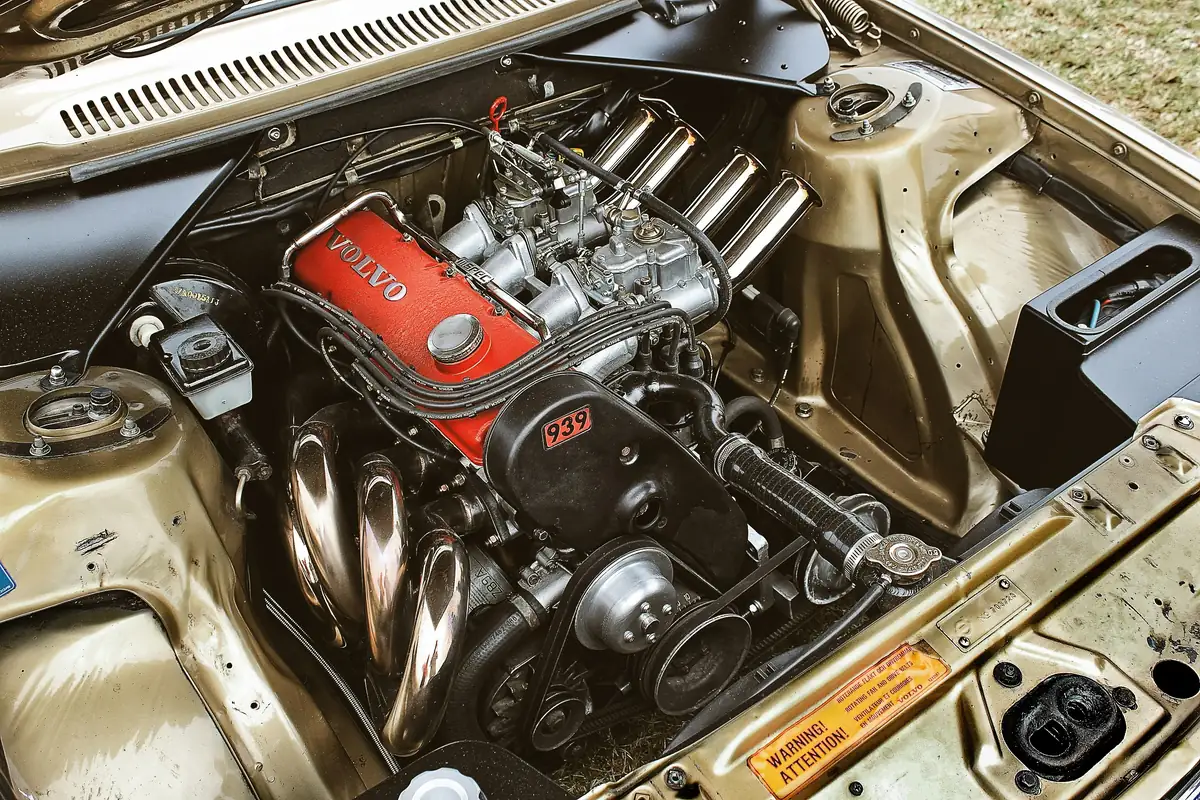
To understand the these properly, it helps to begin with the problem inventors were trying to solve. Traditional piston engines rely on many moving parts: pistons, connecting rods, valves, camshafts, and crankshafts. Engineers long searched for a simpler design that could deliver smooth power with fewer components.
The modern rotary engine is most closely associated with German engineer Felix Wankel. In the early 20th century, Wankel became interested in internal combustion systems that replaced the up-and-down motion of pistons with rotary movement. His idea was not merely to improve engine efficiency, but also to reduce vibration and mechanical complexity.
By the 1950s, Wankel worked with NSU Motorenwerke to develop what became known as the Wankel engine. This design used a triangular rotor spinning inside an epitrochoid-shaped housing. As the rotor moved, it created separate chambers for intake, compression, combustion, and exhaust. The engine effectively performed the four stages of combustion in a continuous rotational cycle.
When discussing the they, this moment is crucial because it transformed a theoretical concept into a practical machine. NSU built early prototypes and demonstrated that the rotary engine could run at high speeds while remaining compact and smooth.
However, early development was far from perfect. Engineers quickly discovered sealing problems, especially with the apex seals at the rotor’s tips. These seals had to maintain compression while enduring heat, friction, and constant motion. Solving this issue would become one of the biggest challenges in the entire history of rotary technology.
Despite these obstacles, the idea attracted global attention. Automakers in Europe, Japan, and the United States licensed rotary technology, hoping it might become the next major evolution in engine design. In this early phase, the the concept is really a story of optimism, experimentation, and engineering ambition.
The Rotary Engine Enters Production
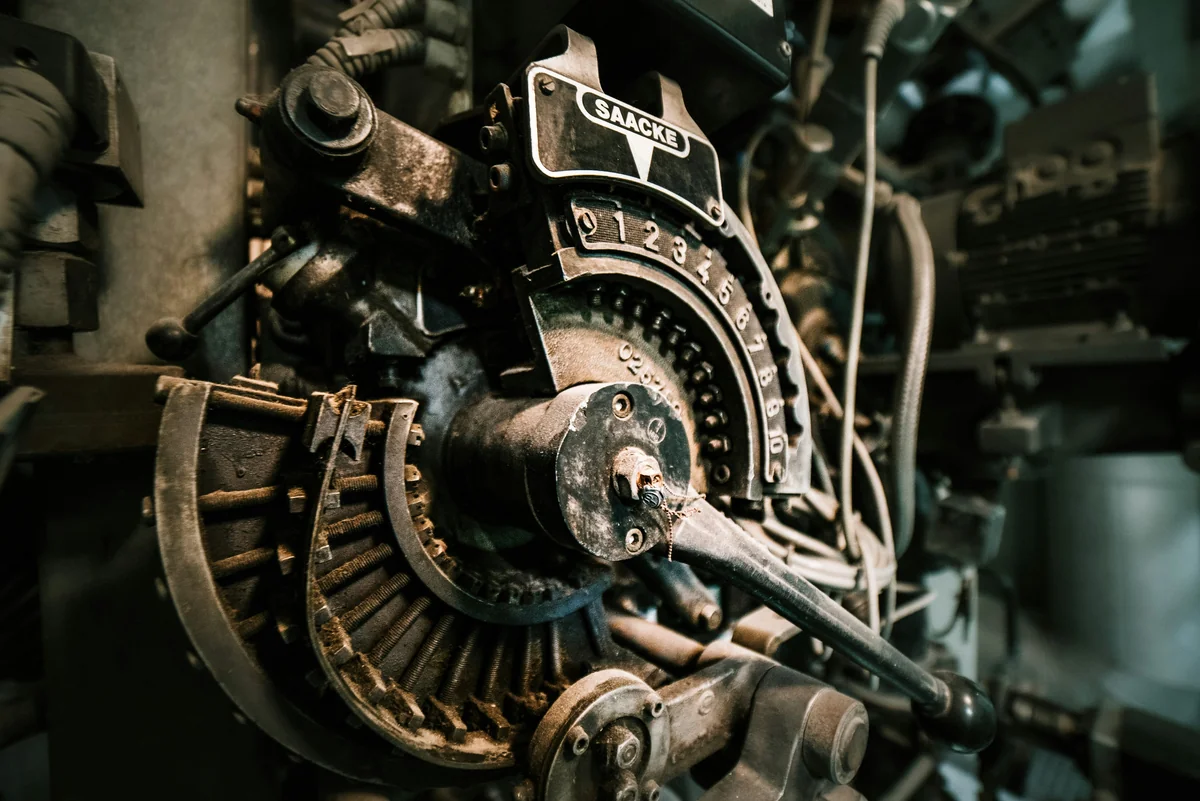
The next chapter in the the approach involves commercial production. In the 1960s, several manufacturers explored the rotary engine for real-world vehicles. NSU was among the first to put rotary-powered cars on the market, most notably with the NSU Spider and later the technologically ambitious NSU Ro 80.
The Ro 80 became famous for its futuristic styling and advanced engineering. It won praise for innovation and driving refinement, but reliability issues damaged its reputation. Apex seal wear, starting difficulties, and poor long-term durability created major concerns. These early setbacks would shape public perceptions of the rotary engine for years.
Even so, the rotary concept retained strong appeal. The engine’s small size meant designers could package it more easily than a piston engine of similar output. It also delivered power smoothly because rotary motion reduced much of the reciprocating vibration found in conventional engines. This gave rotary-powered cars a unique personality that stood out in a competitive market.
In the it, this era also includes a wave of corporate enthusiasm. Mercedes-Benz, Citroën, General Motors, Ford, and even aircraft-related firms investigated rotary applications. Some built prototypes, while others considered broad production plans. For a brief period, many believed the rotary engine might compete directly with the piston engine across multiple industries.
But real-world limitations became increasingly obvious. Fuel consumption was higher than expected, emissions were difficult to control, and long-term reliability remained a concern. The 1970s oil crisis made matters worse. As fuel efficiency became a top priority, the rotary engine’s weaknesses were no longer minor technical issues; they became major commercial barriers.
So while the this includes exciting expansion in this period, it also marks the beginning of the rotary’s struggle for survival in a market demanding economy and durability above all else.
Mazda and the Rise of Rotary Fame
No account of the history of the rotary engine explained would be complete without Mazda. More than any other automaker, Mazda committed itself to developing, refining, and defending the rotary engine. While many companies abandoned the technology, Mazda saw it as a defining part of its identity.

Mazda licensed the Wankel design in the 1960s and invested heavily in engineering solutions to overcome its flaws. The company’s efforts led to the 1967 Cosmo Sport, one of the first successful dual-rotor production cars. This model demonstrated that a rotary engine could deliver strong performance and a refined driving experience in a stylish, modern package.
Mazda continued developing rotary-powered vehicles through the 1970s and beyond. Cars such as the RX-2, RX-3, and RX-4 helped establish a loyal enthusiast following. Then came the RX-7, perhaps the most iconic rotary sports car of them all. Introduced in 1978, the RX-7 combined lightweight design, excellent balance, and a high-revving engine that gave it a character unlike any piston-powered rival.
This phase of the history of the rotary engine explained is especially important because Mazda succeeded where many competitors failed. The company improved sealing technology, combustion design, and durability enough to make rotary ownership practical for many drivers. Mazda also leaned into the rotary’s strengths: compactness, smoothness, and a thrilling power delivery at high rpm.
The rotary engine reached a symbolic high point in 1991 when Mazda won the 24 Hours of Le Mans with the four-rotor 787B. This victory was historic. It remains the only win at Le Mans by a Japanese manufacturer using a rotary engine, and it cemented the engine’s legendary status in motorsport history.
Still, Mazda could not escape the broader economic and regulatory pressures affecting rotary technology. Emissions rules grew stricter, and fuel efficiency standards became harder to meet. The RX-8, launched in the early 2000s, represented a major attempt to modernize the rotary for a new era. Its Renesis engine improved emissions and packaging, but it still faced criticism over fuel use and oil consumption.
In the history of the rotary engine explained, Mazda stands as the central hero: the company that kept the concept alive long after others walked away.
Why Rotary Engines Were Loved and Why They Declined
A balanced view of the history of the rotary engine explained must cover both the engine’s appeal and its downfall. Rotary engines earned admiration for several genuine advantages. First, they were compact and light relative to their power output. This allowed better weight distribution and more creative vehicle design. Second, they produced smooth, nearly vibration-free operation because they lacked the violent reciprocating motion of pistons. Third, they could rev very high, creating a unique driving sensation and a memorable exhaust note.

These qualities made rotary engines especially attractive for sports cars and racing. Enthusiasts loved their responsiveness and unconventional engineering. The rotary became a symbol of innovation, individuality, and mechanical purity.
However, the same history of the rotary engine explained also reveals persistent disadvantages. Fuel efficiency was one of the biggest problems. The combustion chamber shape in a rotary engine made complete combustion harder to achieve, which increased fuel consumption. Emissions were another issue, especially hydrocarbon emissions. Oil consumption was also built into the design, since small amounts of oil were used to lubricate internal components and seals.
Durability posed further challenges. Apex seals remained a vulnerable point, and while later engineering improved reliability, the rotary never fully shed its reputation for wear-related issues. Maintenance also required more specialized knowledge than common piston engines, which limited mainstream acceptance.
External forces accelerated the decline. The oil crises of the 1970s pushed consumers toward efficient vehicles. Regulatory agencies tightened emissions standards. Automakers focused on refining piston engines, turbocharging, fuel injection, and eventually hybrid systems. Against this backdrop, the rotary engine became harder to justify as a mass-market solution.
So the history of the rotary engine explained is not simply a tale of failure. It is a story of a brilliant design that excelled in certain areas but struggled in others that became increasingly important in the modern automotive world.
Legacy, Modern Interest, and Future Possibilities
Today, the history of the rotary engine explained continues to matter because the engine’s influence extends beyond its production lifespan. Rotary engines have become cultural icons. They are deeply associated with Mazda performance cars, motorsport history, tuning culture, and automotive experimentation. For many enthusiasts, the rotary represents a bold alternative to standard engineering conventions.
The RX-7 and RX-8 remain highly respected among collectors and drivers. Their engines demand attention and care, but they reward owners with a character few other cars can match. In popular media, racing games, films, and enthusiast communities, rotary-powered Mazdas hold a legendary place.
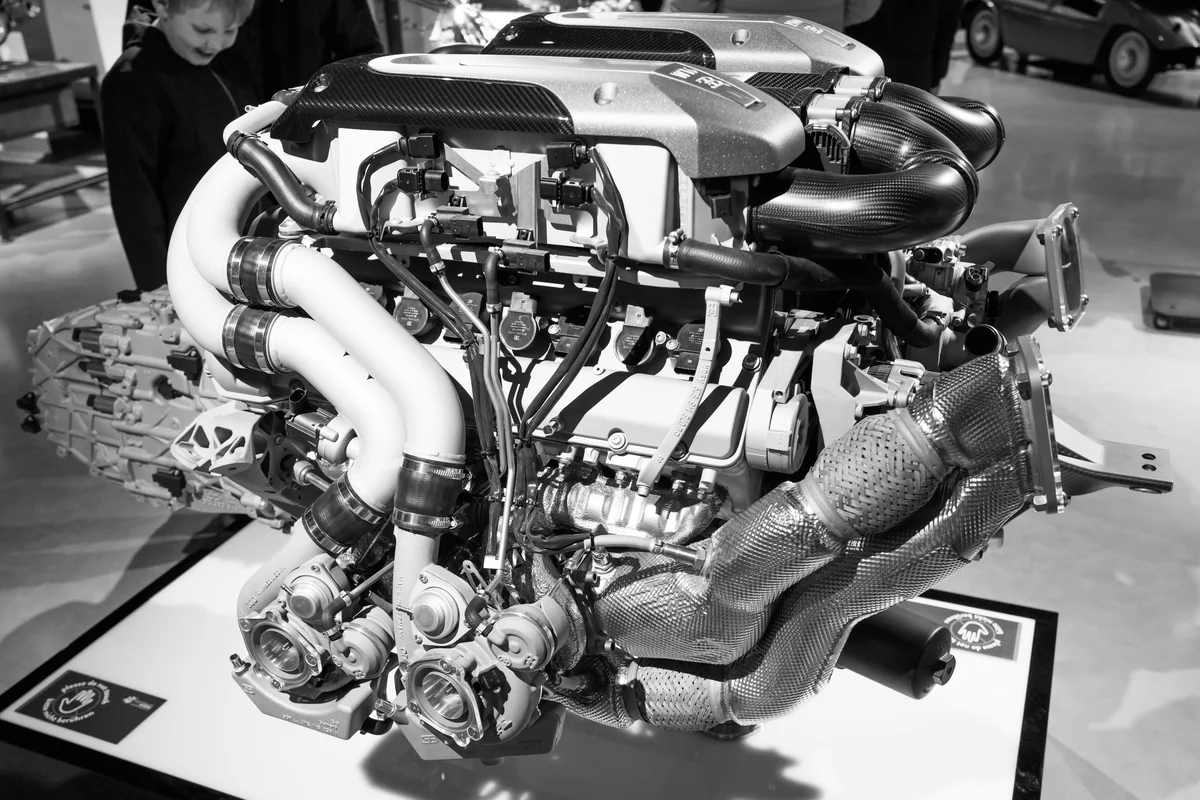
Interestingly, modern engineering has kept the rotary concept from disappearing entirely. Rather than using it as the primary source of propulsion, some companies have considered rotary engines as range extenders for electric vehicles. Because a rotary engine is compact and relatively smooth, it can serve as an onboard generator to recharge batteries while avoiding some of the packaging issues of a piston engine.
This modern twist adds another layer to the history of the rotary engine explained. Even if the rotary is no longer dominant in sports cars, its design still offers potential in niche applications. Engineers continue to appreciate its small size, low vibration, and high power density.
Mazda itself has revisited rotary technology in limited ways, especially in range-extender discussions and special concept vehicles. While a full return of rotary-powered mainstream sports cars remains uncertain, the engine’s mystique has not faded. If future fuels, emissions technologies, or hybrid architectures align with its strengths, the rotary could enjoy a new chapter.
In that sense, the history of the rotary engine explained is still being written. The engine may no longer define the future of the automobile, but it continues to inspire engineers and enthusiasts who admire elegant, unconventional solutions.
FAQ
What is a rotary engine?
In the history of the rotary engine explained, a rotary engine is an internal combustion engine that uses a rotor instead of pistons. The rotor spins within a specially shaped housing, completing intake, compression, combustion, and exhaust in a continuous rotary motion.
Who invented the rotary engine?
The history of the rotary engine explained is most strongly linked to Felix Wankel, the German engineer who developed the modern Wankel rotary engine concept in partnership with NSU.
Why did Mazda use rotary engines for so long?
A key part of the history of the rotary engine explained is Mazda’s commitment to innovation and brand identity. Mazda believed the rotary offered unique performance, compact packaging, and a distinctive driving experience that set its cars apart.
Why are rotary engines considered unreliable?
In the history of the rotary engine explained, reliability concerns mostly come from apex seal wear, heat management challenges, and oil consumption. Although later designs improved these issues, the reputation remained.
Are rotary engines still used today?
The history of the rotary engine explained shows that rotary engines are rare today, but not entirely gone. They still appear in enthusiast builds, motorsport interest, and limited modern applications such as potential range-extender systems.
What made rotary engines special compared to piston engines?
A central theme in the history of the rotary engine explained is that rotary engines were lighter, smoother, more compact, and capable of very high revs. These traits gave them a unique feel that many enthusiasts still love.
Conclusion
The history of the rotary engine explained is a story of innovation, risk, brilliance, and persistence. From Felix Wankel’s original vision to NSU’s early experimentation and Mazda’s long-term dedication, the rotary engine carved out a unique place in automotive history. It never replaced the piston engine, and its weaknesses in efficiency, emissions, and durability prevented mass-market dominance. Yet its strengths were real enough to create some of the most memorable production cars and racing machines ever built.
Ultimately, the history of the rotary engine explained reminds us that engineering progress is not always about total victory. Sometimes it is about daring to pursue a different path, even when that path proves difficult. The rotary engine remains a symbol of creativity and ambition, and that is why its legacy continues to captivate drivers around the world.